

At a Glance
A dental bridge is a fixed solution for replacing one or more missing teeth.
A dental bridge can help:
Treatment usually requires two appointments, although additional visits may be needed depending on your oral health and treatment plan.
What Is a Dental Bridge?
A dental bridge is a fixed dental restoration that replaces one or more missing teeth. It consists of an artificial tooth (known as a pontic) that fills the gap left by the missing tooth. The pontic is supported by neighbouring natural teeth fitted with dental crowns or by dental implants, depending on the type of bridge recommended.
Dental bridges are commonly used to restore the appearance and function of your smile. They help distribute biting forces more evenly, enhance chewing efficiency, maintain clearer speech, and reduce the risk of neighbouring teeth drifting into the empty space.
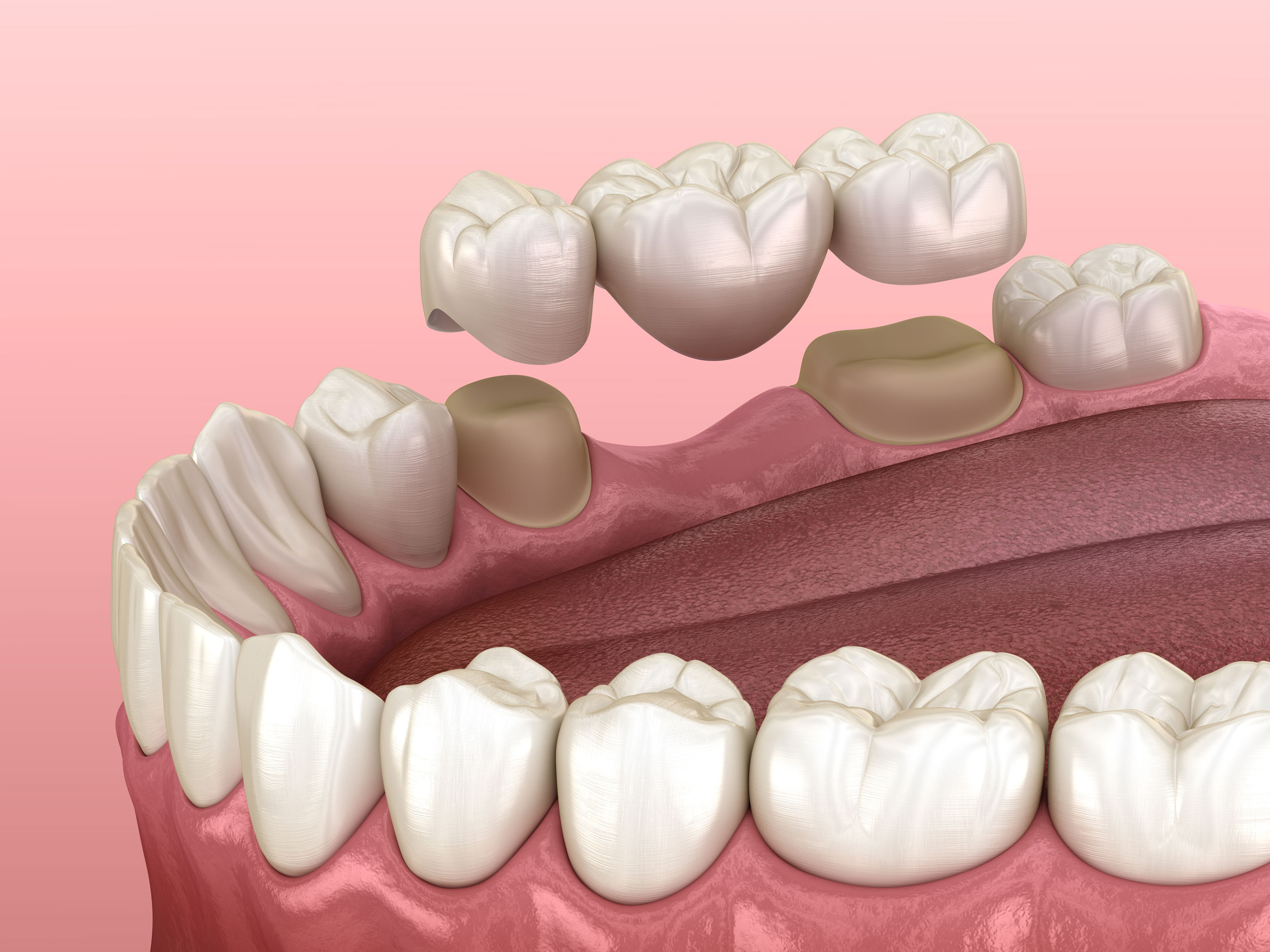
Several types of dental bridges are available, including conventional bridges, Maryland bridges, cantilever bridges, and implant-supported bridges. Your dentist will recommend an appropriate treatment option after evaluating your oral health, bite, and long-term treatment goals.
Why Choose a Dental Bridge?
A fixed dental bridge is an established and commonly used treatment option for replacing missing teeth. For many patients, it offers an effective balance between function, aesthetics, treatment time, and affordability. Unlike removable dentures, a dental bridge remains securely fixed in place, allowing it to feel more stable during everyday activities such as eating and speaking. It also restores the appearance of your smile while supporting the overall function of your teeth. Whether your tooth was lost due to decay, trauma, gum disease, or extraction, your dentist can determine whether a dental bridge is an appropriate treatment option based on your oral condition.
Restores a Natural-Looking Smile
A missing tooth can affect both your appearance and self-confidence. A custom-made dental bridge is designed to closely match the colour, shape, and size of your surrounding teeth, creating a natural-looking smile that blends seamlessly with your existing dentition.
Modern bridges are commonly fabricated from high-quality porcelain or zirconia materials that provide proper aesthetics while offering long-term durability. If desired, your dentist may also discuss complementary cosmetic treatments, such as teeth whitening or dental veneers, to achieve a harmonious smile.
Restores Chewing Function
Missing teeth can make it difficult to chew comfortably, particularly when eating tougher foods. Over time, this may affect your food choices and nutritional intake. A dental bridge restores your bite by replacing the missing tooth and helping distribute chewing forces more evenly. Once you have adjusted to your new bridge, you should be able to enjoy a wider variety of foods with comfort and ease.
Improves Speech
The position of your teeth plays an important role in forming certain speech sounds. Missing teeth, particularly those at the front of the mouth, may affect pronunciation and make everyday conversations more challenging. By replacing missing teeth, a dental bridge helps restore the natural shape of your mouth and supports clearer speech. Most patients adapt quickly and find that speaking becomes more natural after a short adjustment period.
Helps Prevent Teeth from Shifting
When a tooth is lost, the surrounding teeth naturally begin to move towards the empty space. This gradual shifting may lead to crooked teeth, bite changes, uneven tooth wear, and increased difficulty cleaning between teeth. Replacing the missing tooth with a dental bridge helps maintain the position of adjacent teeth and supports a more stable bite. Early treatment may also reduce the likelihood of requiring orthodontic treatment in the future.
Supports Better Oral Function
A complete set of teeth allows your upper and lower teeth to work together efficiently during chewing and speaking. Missing teeth can alter the way your bite functions, placing additional stress on neighbouring teeth. A well-designed dental bridge helps restore a balanced bite and improves overall oral function, making everyday activities more comfortable. It is important to note that while a traditional tooth-supported bridge restores function and appearance, it does not prevent the jawbone loss that naturally occurs after a tooth is removed. If preserving the jawbone is a priority, your dentist may discuss whether a dental implant would be a suitable treatment option.
Long-Lasting Tooth Replacement
With proper care and regular dental check-ups, a dental bridge can provide a reliable long-term solution for replacing missing teeth.
The lifespan of a dental bridge depends on several factors, including:
- Daily oral hygiene
- Health of the supporting teeth
- Gum health
- Bite force
- Teeth grinding habits
- Materials used
- Regular professional maintenance
Many dental bridges last 5 to 15 years or longer when they are well-maintained.
A Personalised Solution for Every Patient
Not every patient has the same oral health needs, and the appropriate type of dental bridge depends on several clinical factors, including the number of missing teeth, the condition of the surrounding teeth, your bite, gum health, and long-term treatment goals.
During your consultation, your dentist will carry out a comprehensive examination and recommend a suitable treatment option. Depending on your individual circumstances, alternatives such as a dental implant or removable denture may also be discussed to ensure you receive a proper long-term solution.
Signs You May Need a Dental Bridge
You may benefit from a dental bridge if you experience one or more of the following:
- One or more missing teeth
- Difficulty chewing certain foods
- A visible gap affecting your smile
- Neighbouring teeth beginning to shift
- Changes in your bite
- Difficulty pronouncing certain words
- Reduced confidence when smiling or speaking
If left untreated, missing teeth can lead to changes in your bite, increased wear on neighbouring teeth, and difficulties maintaining good oral health. A dental assessment can determine whether a dental bridge is necessary for restoring your smile.
Types of Dental Bridges in Singapore
There is no single type of dental bridge that is suitable for everyone. An appropriate option depends on the location of the missing tooth, the condition of the surrounding teeth and gums, your bite, oral hygiene, and long-term treatment goals. During your consultation, your dentist will assess your oral health through a clinical examination and, where appropriate, digital X-rays or intraoral scans. Based on the findings, a personalised treatment plan will be recommended to restore your smile while supporting long-term oral health. Understanding the different types of dental bridges can help you make a more informed decision before starting treatment.
Conventional (Traditional) Dental Bridge
A conventional dental bridge is a commonly chosen dental bridge for replacing one or more missing teeth. It consists of one or more artificial teeth (pontics) that are supported by dental crowns placed over the healthy teeth on either side of the gap.
To prepare the bridge, the supporting teeth are carefully reshaped so the crowns fit securely. The completed bridge is then permanently cemented into place, providing a fixed and stable replacement for the missing tooth. Traditional bridges are known for their durability, strength, and natural appearance. They are suitable for many areas of the mouth, particularly where greater chewing forces are expected.
Advantages:
- Strong and durable
- Fixed in place
- Natural-looking appearance
- Restores chewing efficiency
- Proven long-term treatment option
Considerations:
- Requires preparation of adjacent teeth
- Supporting teeth must be healthy enough to support the bridge
Maryland (Resin-Bonded) Dental Bridge
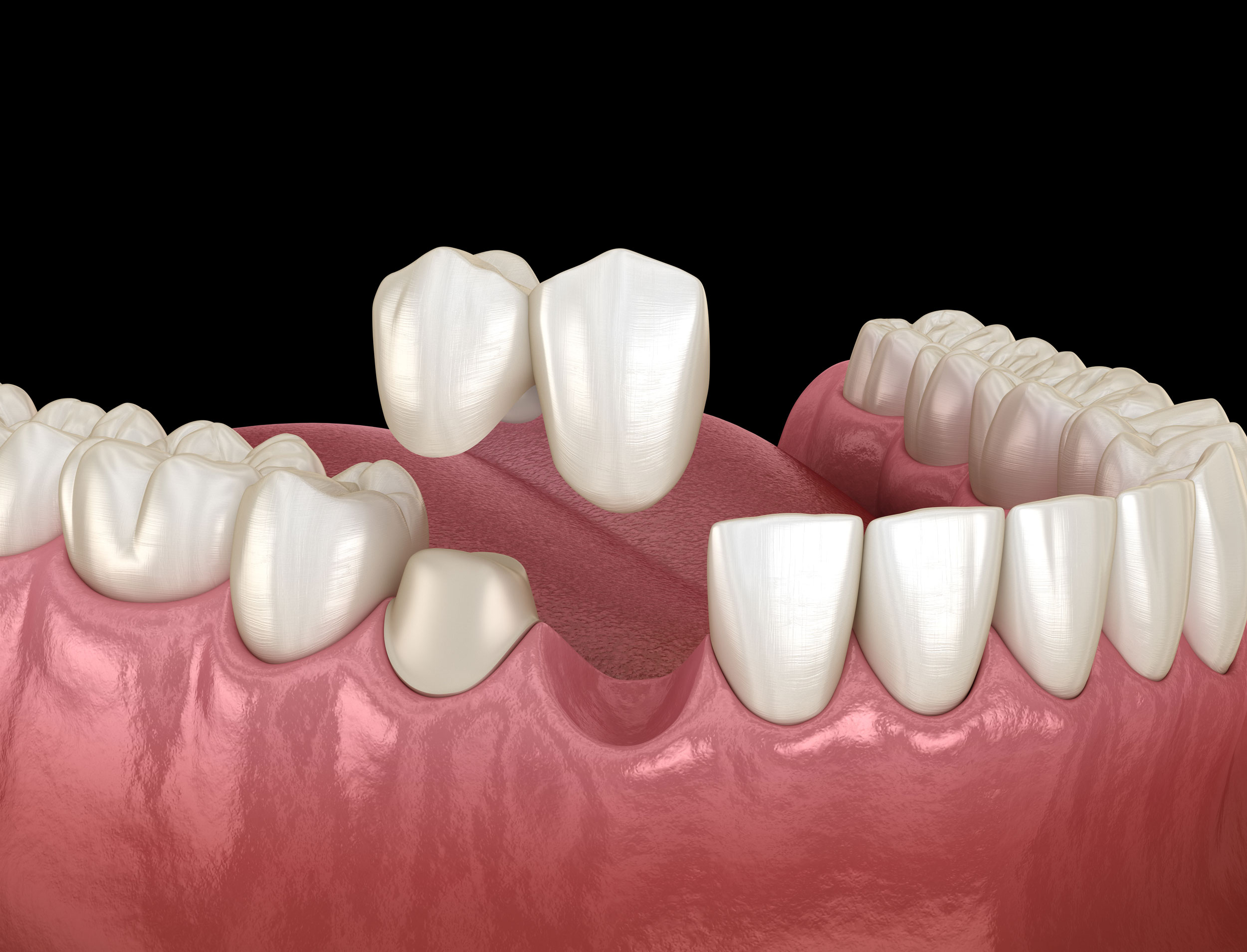
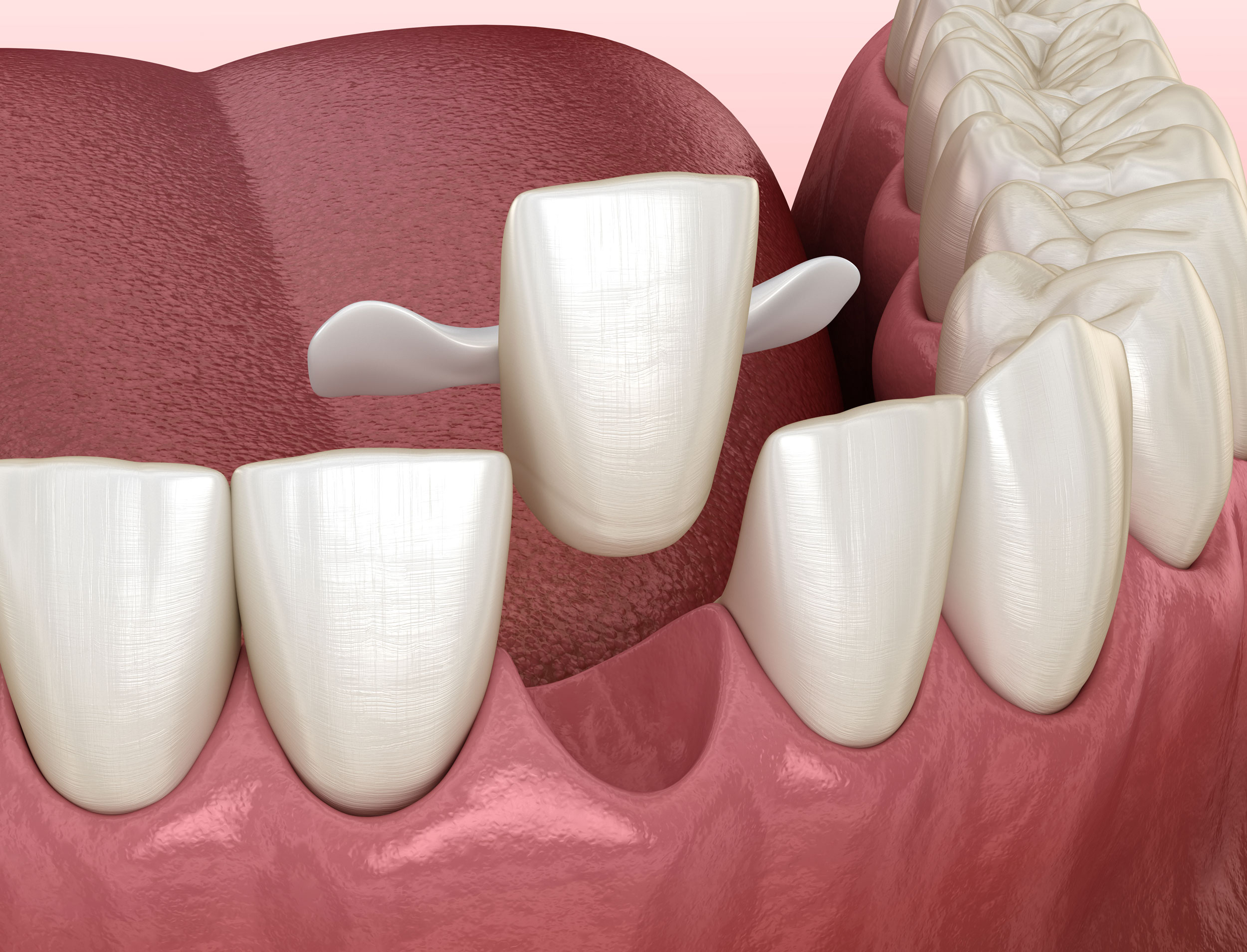
A Maryland bridge, also known as a resin-bonded bridge, replaces a missing tooth using thin metal or ceramic wings bonded to the back surfaces of neighbouring teeth.
Unlike conventional bridges, Maryland bridges usually require minimal preparation of adjacent teeth, making them a more conservative option.
They are most commonly recommended for replacing front teeth because they experience lower chewing forces. However, they may not be suitable for patients with heavy bites, teeth grinding, or certain bite patterns.
Advantages:
- Preserves natural tooth structure
- Less invasive preparation
- Good aesthetic results for front teeth
- Fixed solution without full crowns
Considerations:
- Not suitable for every bite
- Less resistant to heavy chewing forces
- Careful case selection is important
Cantilever Dental Bridge
A cantilever dental bridge is used when only one healthy tooth is available next to the missing tooth to support the bridge. Because all chewing forces are transferred to a single supporting tooth, this type of bridge is generally reserved for carefully selected situations, usually in areas of the mouth that experience lighter biting forces.
Your dentist will assess whether the supporting tooth has sufficient strength and stability before recommending this treatment.
Advantages:
- Useful when only one adjacent tooth is available
- Fixed restoration
- Suitable for selected clinical situations
Considerations:
- Places increased stress on one supporting tooth
- Less commonly recommended than conventional bridges
- Not suitable for all patients
Implant-Supported Dental Bridge
An implant-supported dental bridge is recommended when multiple adjacent teeth are missing. Instead of relying on neighbouring natural teeth, the bridge is anchored to dental implants that are surgically placed into the jawbone. This approach allows healthy neighbouring teeth to remain untouched while providing excellent stability and long-term support.
Because implants require time to integrate with the jawbone, treatment generally takes longer than a conventional dental bridge.
Advantages:
- Does not rely on neighbouring teeth
- Excellent stability
- Suitable for replacing several missing teeth
- Helps preserve jawbone around the implants
Considerations:
- Requires implant surgery
- Longer treatment timeline
- Higher initial investment
Dental Bridge Materials
Dental bridges are available in several materials, each offering different benefits in terms of appearance, durability, and suitability for different areas of the mouth. Your dentist will recommend the most appropriate material based on your oral health, bite force, aesthetic expectations, and the location of the missing tooth.
Porcelain Dental Bridges
Porcelain bridges are valued for their natural appearance and ability to closely resemble natural teeth. They are commonly recommended for visible areas of the mouth where aesthetics are a priority.
Zirconia Dental Bridges
Zirconia bridges combine proper strength with attractive aesthetics. They are quite durable and suitable for both front and back teeth, making them a popular option for patients seeking a long-lasting restoration.
Porcelain-Fused-to-Metal (PFM) Bridges
PFM bridges consist of a metal framework covered by porcelain. They provide a balance between durability and appearance and have been commonly used in restorative dentistry for many years.
Full Metal Bridges
Although less common today, full metal bridges may still be recommended for certain back teeth where appearance is less important and maximum strength is required. The most suitable material depends on your individual clinical needs, and your dentist will explain the advantages and limitations of each option during your consultation.
Which Type of Dental Bridge Is Right for You?
Choosing the right type of dental bridge depends on more than simply replacing a missing tooth.
Your dentist will consider factors such as:
- Number of missing teeth
- Location of the missing tooth
- Health of neighbouring teeth
- Gum condition
- Bone support
- Bite force
- Teeth grinding habits
- Budget
- Long-term maintenance preferences
- Overall treatment goals
After evaluating these factors, your dentist will recommend the option that provides the ideal balance of function, comfort, aesthetics, and longevity.
Dental Bridge vs Dental Implant vs Denture
Several treatment options are available for replacing missing teeth. The most suitable solution depends on your oral health, the number of missing teeth, available bone, lifestyle, and long-term goals.
| Feature | Dental Bridge | Dental Implant | Removable Denture |
|---|---|---|---|
| Fixed in place | Yes | Yes | No |
| Requires surgery | No | Yes | No |
| Preserves neighbouring teeth | No (usually) | Yes | Yes |
| Treatment time | Moderate | Longer | Shorter |
| Natural appearance | Excellent | Excellent | Good |
| Chewing efficiency | Excellent | Excellent | Moderate |
| Daily removal | No | No | Yes |
| Suitable for multiple missing teeth | Yes | Yes | Yes |
Each option has its own advantages and limitations. During your consultation, your dentist will explain which treatment is most appropriate for your oral condition and long-term goals.
How Dentists Decide Between a Dental Bridge and a Dental Implant
A dental bridge and a dental implant are both effective ways to replace missing teeth, but the best option depends on your individual circumstances.
Your dentist may recommend a dental bridge if:
- The neighbouring teeth already require crowns
- You prefer a non-surgical treatment
- Treatment needs to be completed more quickly
- Dental implants are not suitable for medical or anatomical reasons
A dental implant may be recommended if:
- The surrounding teeth are healthy and do not require crowns
- Preserving jawbone is an important consideration
- You have sufficient bone to support an implant
- You are looking for a long-term independent tooth replacement
The decision is based on a comprehensive clinical assessment rather than a one-size-fits-all approach.
Who Is a Suitable Candidate for a Dental Bridge?
You may be a suitable candidate for a dental bridge if you:
- Have one or more missing teeth
- Have healthy supporting teeth
- Have good gum health
- Practise good oral hygiene
- Want a fixed alternative to removable dentures
- Prefer a non-surgical tooth replacement option
A thorough dental examination is necessary to determine whether a bridge is the appropriate treatment for your individual needs.
When Is a Dental Bridge Not Recommended?
A dental bridge may not be a suitable treatment if:
- The supporting teeth have advanced decay
- There is active gum disease
- The adjacent teeth are not strong enough to support a bridge
- Multiple teeth are missing in a way that is better managed with implants or dentures
- Oral hygiene is poor and likely to compromise the long-term success of the bridge
- Significant bite problems require correction before restorative treatment
In these situations, your dentist may recommend alternative treatment options or address underlying dental issues before proceeding with a bridge.
Dental Bridge Procedure in Singapore
Getting a dental bridge in Singapore typically involves two or more appointments, depending on the type of bridge and your individual treatment plan. Each stage of the procedure is carefully planned to ensure your bridge fits comfortably, functions properly, and blends naturally with your surrounding teeth. Before treatment begins, your dentist will assess your oral health, explain the available treatment options, and discuss the expected timeline, benefits, risks, and aftercare requirements.
Step 1: Consultation and Comprehensive Assessment
Your treatment begins with a comprehensive dental examination to determine whether a dental bridge is a suitable option for replacing your missing tooth or teeth.
Depending on your clinical needs, your assessment may include:
- Examination of your teeth and gums
- Bite assessment
- Digital X-rays
- Intraoral photographs
- Digital impressions or intraoral scans
- Evaluation of any existing dental restorations
Your dentist will also discuss the number of missing teeth, condition of supporting teeth, gum health, bone support, medical history, and expectations. Following assessment, a personalised treatment plan will be recommended.
Step 2: Preparing the Supporting Teeth
If a conventional dental bridge is recommended, the neighbouring teeth that will support the bridge (known as abutment teeth) are carefully reshaped so that dental crowns can fit securely over them. Local anaesthesia is used to ensure comfort. Once prepared, your dentist will take digital scans or dental impressions to fabricate your custom bridge.
Step 3: Placement of a Temporary Dental Bridge
While your permanent bridge is being fabricated, a temporary bridge is usually placed to protect the prepared teeth, maintain appearance, support chewing/speech, prevent teeth shifting, and reduce sensitivity.
Step 4: Fitting the Permanent Dental Bridge
Once your custom-made bridge has been completed by the dental laboratory, you will return for your fitting appointment. During this visit, your dentist will remove the temporary bridge, check the fit, assess the bite, evaluate comfort/appearance, and permanently cement it into place.
Step 5: Review and Follow-Up
A follow-up appointment may be recommended to ensure that your bridge is functioning properly and that your bite remains comfortable. Regular dental examinations allow your bridge and supporting teeth to be monitored over time.
How Long Does It Take to Get a Dental Bridge?
For most patients, treatment is completed over two appointments scheduled approximately one to three weeks apart. The exact timeline depends on the type of bridge, the complexity of your case, and the time required for the dental laboratory to fabricate your custom restoration.
Additional appointments may be necessary if you require treatment before the bridge can be placed, such as:
- Tooth extraction
- Root canal treatment
- Gum disease treatment
- Replacement of existing crowns or fillings
Your dentist will provide a personalised treatment timeline during your consultation.
Is Getting a Dental Bridge Painful?
Most patients experience little or no pain during the procedure because the treatment area is numbed using local anaesthesia. After treatment, it is normal to experience mild sensitivity or tenderness around the prepared teeth for a few days. This usually improves as your mouth adjusts to the new bridge. If discomfort becomes severe, persists beyond the expected recovery period, or is accompanied by swelling, you should contact your dentist for an assessment.
Recovery After Getting a Dental Bridge
Recovery is generally straightforward, and most patients are able to return to work or their normal daily activities shortly after the procedure.
During the first few days, you may notice:
- Mild tooth sensitivity
- Slight tenderness when biting
- Temporary changes in speech
- An adjustment period while chewing
These symptoms typically improve within a few days. If your bite feels uneven or your bridge feels too high, your dentist can make a simple adjustment.
Caring for Your Dental Bridge
Proper oral hygiene is essential for protecting both your dental bridge and the supporting teeth.
To help your bridge last as long as possible:
- Brush your teeth twice a day with fluoride toothpaste.
- Clean beneath the bridge daily using floss threaders, super floss, or interdental brushes.
- Attend regular dental check-ups and professional cleanings.
- Avoid chewing ice, hard sweets, or other hard objects.
- Wear a custom night guard if you grind your teeth while sleeping.
- Follow your dentist's oral hygiene recommendations.
How Long Does a Dental Bridge Last?
A well-maintained dental bridge can often last 5 to 15 years or longer, although its lifespan varies from person to person.
Several factors influence how long a bridge lasts, including:
- Daily oral hygiene
- Health of the supporting teeth
- Gum health
- Bite force
- Teeth grinding (bruxism)
- Smoking
- Bridge material
- Regular dental check-ups
Dental Bridge Cost in Singapore
The cost of a dental bridge in Singapore varies depending on several clinical and treatment-related factors.
These include:
- Type of dental bridge
- Number of missing teeth being replaced
- Material used for the bridge
- Condition of the supporting teeth
- Complexity of the treatment
- Whether additional procedures (root canal, extraction) are required
- Dental laboratory fees
Benefits and Limitations of a Dental Bridge
Like all dental treatments, a dental bridge has both advantages and considerations.
| Benefits | Limitations |
|---|---|
| Fixed solution for missing teeth | Supporting teeth usually require preparation |
| Restores chewing ability | Does not prevent jawbone loss like a dental implant |
| Enhances speech | Requires careful daily cleaning beneath the bridge |
| Natural-looking appearance | May eventually require repair or replacement |
| Prevents neighbouring teeth from shifting | Not suitable for every patient |
| Can last many years with proper care | Success depends on the health of the supporting teeth |
Possible Risks and Complications
Dental bridges have an optimal success rate when properly planned, placed, and maintained. However, like any dental treatment, there are potential risks.
Possible complications include:
- Tooth sensitivity
- Gum inflammation
- Tooth decay affecting the supporting teeth
- Loose bridge
- Chipped or fractured bridge
- Bite discomfort
- Food trapping beneath the bridge
- Wear of the supporting teeth over time
Most of these issues can be prevented or managed with good oral hygiene, regular dental examinations, and early treatment if problems arise.
When Should You Contact Your Dentist?
Arrange a dental appointment if you experience:
- A loose or moving bridge
- Persistent pain or sensitivity
- Swelling around the bridge
- Difficulty chewing after the adjustment period
- A cracked or chipped bridge
- A bridge that feels too high or affects your bite
- Persistent food trapping beneath the bridge
- A supporting tooth becoming painful
If your dental bridge becomes loose, breaks, causes significant pain, or is accompanied by swelling or bleeding, seek prompt dental care. Early assessment can help prevent further damage. If your situation requires urgent attention, our emergency dentist can assess the problem and provide appropriate treatment as soon as possible.
Frequently Asked Questions (FAQs)
What is a dental bridge?
A dental bridge is a fixed dental restoration that replaces one or more missing teeth. It consists of one or more artificial teeth supported by neighbouring natural teeth fitted with dental crowns or by dental implants. A dental bridge restores chewing function, promotes speech, enhances your smile, and helps prevent neighbouring teeth from shifting.
Who is suitable for a dental bridge?
A dental bridge may be suitable if you have one or more missing teeth, healthy supporting teeth, good gum health, and wish to restore your smile with a fixed replacement. Your dentist will examine your oral health and recommend whether a dental bridge, dental implant, or removable denture is an appropriate option.
How long does it take to get a dental bridge?
Most conventional dental bridges require two appointments over one to three weeks. The exact treatment time depends on the complexity of your case, the type of bridge selected, and whether additional procedures, such as root canal treatment or gum disease treatment, are required before the bridge can be fitted.
How long does a dental bridge last?
A dental bridge can often last 5 to 15 years or longer with proper care. Its longevity depends on factors such as oral hygiene, the health of the supporting teeth, bite force, bridge material, and regular dental check-ups. Following your dentist's care instructions can help ensure the lifespan of your restoration.
Is getting a dental bridge painful?
Patients typically don’t feel any discomfort during the procedure, because local anaesthesia is used while preparing the supporting teeth. After treatment, mild sensitivity or tenderness is common and generally improves within a few days. If pain becomes severe, persists, or is accompanied by swelling, you should contact your dentist.
Can I eat normally with a dental bridge?
Yes. Once your permanent bridge has been fitted and you have adjusted to it, you can usually return to eating most foods comfortably. During the first few days, softer foods are recommended while your mouth adapts. Avoid biting directly on very hard foods or objects that could damage the bridge.
How do I clean a dental bridge?
Brush your teeth twice daily and clean underneath the bridge using floss threaders, super floss, or interdental brushes. Regular dental check-ups and professional cleanings also help maintain the health of your bridge and the supporting teeth.
Can a dental bridge be repaired?
Minor issues such as loose cement or small chips may sometimes be repaired. However, if the bridge is significantly damaged, no longer fits properly, or the supporting teeth are affected by extensive decay or gum disease, replacement may be recommended. Your dentist will assess the bridge and advise on appropriate treatment.
Can a dental bridge replace multiple missing teeth?
Yes. A dental bridge can replace one or several missing teeth, depending on the condition of the supporting teeth and your overall oral health. If multiple adjacent teeth are missing, your dentist may recommend a conventional bridge, an implant-supported bridge, or another suitable tooth replacement option.
Is a dental bridge permanent?
A dental bridge is considered a fixed dental restoration because it is permanently cemented onto supporting teeth or attached to dental implants. While it is not removable by the patient, it may eventually require repair or replacement after years of normal use.
What is the difference between a dental bridge and a dental implant?
A dental bridge replaces missing teeth by using neighbouring teeth or dental implants for support, whereas a dental implant replaces the missing tooth root with a titanium implant placed into the jawbone. Dental implants do not usually require neighbouring teeth to be reshaped and can help preserve the jawbone, but they involve surgery and generally require a longer treatment period.
How much does a dental bridge cost in Singapore?
The cost of a dental bridge depends on several factors, including the type of bridge, the number of teeth being replaced, the material used, the complexity of treatment, and whether additional dental procedures are required. After examining your oral health, your dentist will provide a personalised treatment plan together with a detailed cost estimate.
Key Takeaways
If you're considering a dental bridge in Singapore, here are the main points to remember:
Why Choose Our Clinic for a Dental Bridge in Singapore?
Choosing the right dental clinic is an important part of achieving a comfortable, natural-looking, and long-lasting dental bridge. At Dr. Seah's root canal clinic, every treatment plan is tailored to your individual oral health needs. Our team provides comprehensive assessments, personalised treatment planning, and restorative dental care designed to restore both function and aesthetics.
At our clinic, your care is centred on comprehensive assessment, personalised treatment planning, and clear communication throughout every stage of your treatment.
Our approach includes:
- Comprehensive examination and personalised treatment planning
- Digital imaging and diagnostics where clinically appropriate
- Custom-made dental bridges designed for function, comfort, and aesthetics
- Clear explanation of all suitable tooth replacement options
- Treatment focused on preserving healthy tooth structure whenever possible
- Guidance on long-term maintenance and oral hygiene
- Ongoing follow-up care to monitor your bridge and supporting teeth
Whether you are replacing a single missing tooth or multiple missing teeth, our team will work with you to recommend a treatment plan that supports your oral health, restores your smile, and helps you make an informed decision.
Visit Our Clinic
Conveniently located at Mount Elizabeth Medical Centre, Dr. Seah Root Canal + Implant Surgical Clinic provides specialist dental and endodontic care for patients seeking personalised treatment in a comfortable, modern clinical environment. From diagnosis to treatment and follow-up care, our team is committed to helping you achieve long-term oral health with evidence-based solutions tailored to your individual needs.
Dr Seah Root Canal + Implant Surgical Clinic
3 Mount Elizabeth
Mount Elizabeth Medical Centre #07-05
Singapore 228510
Root Canal Clinic
Blk 354 Clementi Ave 2
#01-191
Singapore 120354
Book a Dental Bridge Consultation in Singapore
If you are missing one or more teeth, seeking treatment early can help restore your smile, improve chewing and speech, and reduce the risk of neighbouring teeth shifting into the empty space.
During your consultation, your dentist will assess your oral health, explain the available tooth replacement options, and recommend whether a dental bridge, dental implant, or another restorative treatment is most suitable for your needs.
If you would like to learn more about dental bridges in Singapore or arrange a consultation, contact our clinic today. Our team will be happy to answer your questions, discuss your treatment options, and help you take the next step towards restoring your smile and oral function.
Dr Seah Root Canal + Implant Surgical Clinic
- Address: 3 Mount Elizabeth, #07-05 Mount Elizabeth Medical Centre, Singapore 228510
- Phone: +65 6737 1601
- WhatsApp: +65 9656 5855
Root Canal Clinic (Clementi)
- Address: Blk 354 Clementi Ave 2, #01-191, Singapore 120354
- Phone: +65 6873 5522
- WhatsApp: +65 9656 5855
Book an Appointment Today
Fill out the form below and our team will get back to you shortly to confirm your appointment.
