

What Is an Endodontist?
An endodontist is a dental specialist who focuses on diagnosing and treating conditions affecting the dental pulp, root canal system, and tissues surrounding tooth roots. Following dental school, an endodontist undergoes additional specialist training dedicated to managing complex cases involving tooth pain, infection, trauma, and tooth preservation.
While general dentists provide comprehensive dental care, endodontists concentrate on diseases and injuries affecting the nerves and surrounding tissue of the tooth. Their highly specialised, highly focused, and intense training allows them to manage challenging diagnostic cases, complex anatomy, persistent symptoms, and conditions that may require specialised treatment techniques or microsurgical procedures.
Endodontists commonly manage:
- Dental pulp infections
- Irreversible pulpitis
- Dental abscesses
- Persistent tooth pain
- Cracked teeth
- Dental trauma
- Root-end pathology
- Vertical root fractures
- Root resorption
- Previously treated teeth with ongoing symptoms
- Conditions requiring endodontic surgery
What Is Endodontics?
Endodontics is a recognised dental specialty focused on the prevention, diagnosis, and management of diseases affecting the dental pulp and tissues surrounding the roots of teeth.
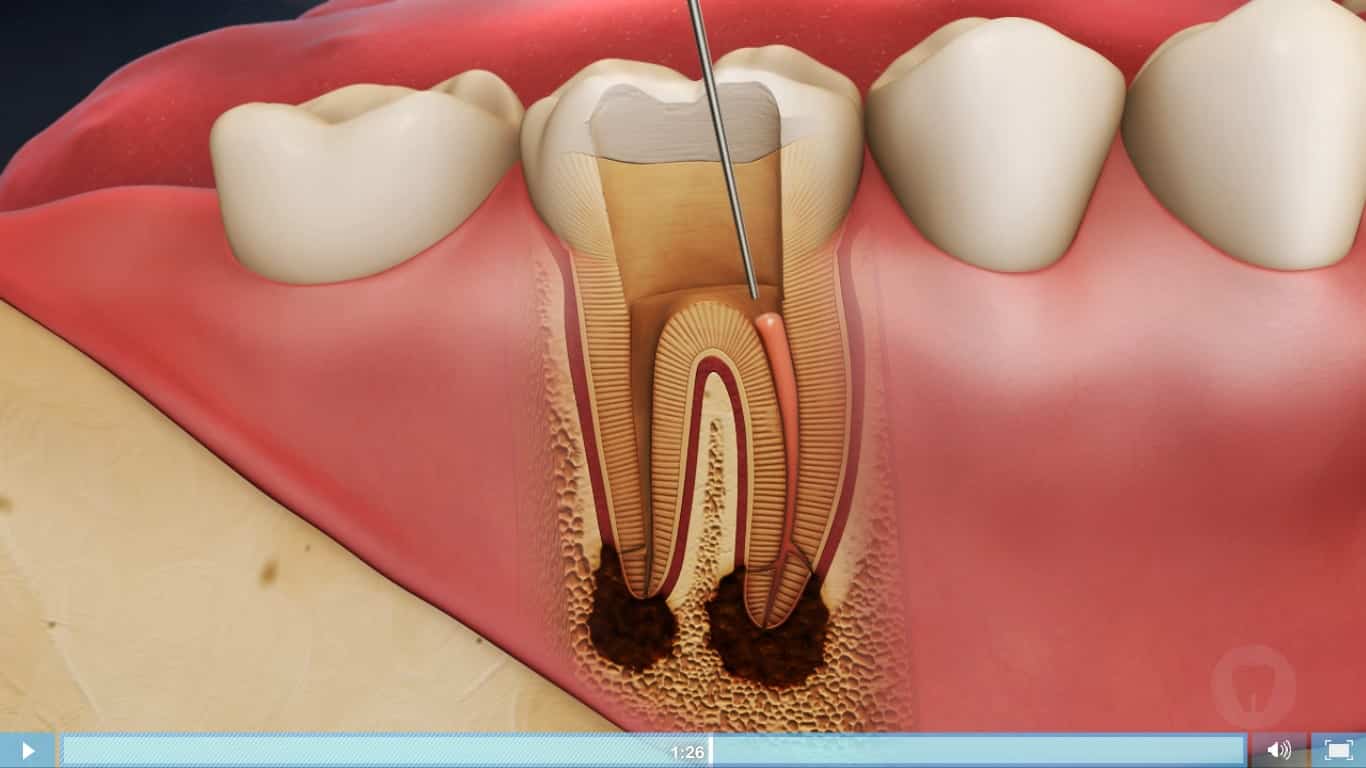
The dental pulp contains nerves, blood vessels, and connective tissue located inside the tooth. Although the pulp plays an important role during tooth development, it can become inflamed, infected, or damaged due to deep decay, cracks, trauma, or other dental conditions.
When these problems occur, specialist evaluation may be necessary to determine whether the tooth can be preserved and which treatment options are most appropriate. Modern endodontics combines specialised imaging, magnification technology, microsurgical techniques, and evidence-based treatment planning to support long-term tooth preservation whenever possible.

Preserving your natural teeth through expert, focused specialist care.
Why See an Endodontist in Singapore?
Patients often wonder whether they should see a general dentist or seek specialist care from an endodontist.
While many dental conditions can be managed by a general dentist, certain situations may benefit from specialist assessment. Endodontists receive specialised training focused specifically on diagnosing and treating conditions affecting the pulp and root structures of teeth.
Patients commonly seek an endodontist in Singapore for:
- Persistent tooth pain
- Severe dental infection
- Dental abscesses
- Cracked or fractured teeth
- Dental trauma
- Ongoing symptoms despite previous treatment
- Difficult diagnoses
- Complex root anatomy
- Tooth preservation assessment
- Endodontic surgery
Specialist evaluation may help clarify the diagnosis, identify treatment options, and determine whether a natural tooth can be preserved.
Why Choose an Endodontist for Complex Dental Problems?
An endodontist is uniquely trained to manage conditions involving the inner structures of teeth, particularly when diagnosis or treatment is complex. Patients are commonly referred to an endodontist for persistent tooth pain, severe infection, cracked teeth, dental trauma, surgical treatment, and situations where preserving a natural tooth may be possible.
By focusing exclusively on endodontic conditions, an endodontist can provide detailed assessment, modern diagnostic evaluation, and specialised treatment planning for cases that may extend beyond routine dental care.
What Conditions Does an Endodontist Treat?
Endodontists diagnose and manage a wide range of conditions affecting the dental pulp, root canal system, and surrounding tissues.
Tooth Pulp Infection
Bacterial infection within the dental pulp may cause pain, inflammation, sensitivity, swelling, and damage to surrounding tissues if left untreated.
Irreversible Pulpitis
Irreversible pulpitis occurs when inflammation within the dental pulp becomes severe enough that the tissue cannot recover naturally. Patients often experience prolonged pain or sensitivity.
Dental Abscess
A dental abscess is a localised collection of infection that may cause swelling, tenderness, drainage, and significant discomfort.
Persistent Tooth Pain
Persistent tooth pain may occur even when routine dental examination findings appear normal. Specialist assessment may help identify hidden infection, cracks, inflammation, or other underlying causes.
Cracked Teeth
Cracks affecting the tooth structure can cause pain, sensitivity, and bacterial contamination of deeper tissues. Early diagnosis is important because some cracks can worsen over time. Depending on the location and severity of the crack, treatment options may vary. Learn more about our services pertaining to cracked teeth treatment and available management options for damaged or fractured teeth.
Dental Trauma
Accidents, falls, sporting injuries, and other forms of trauma can damage the dental pulp and root structures even when visible damage appears minimal.
Root-End Pathology
Inflammation or infection surrounding the tip of a tooth root may develop as a result of pulp disease, trauma, or previous treatment complications.
Root Resorption
Root resorption involves the progressive loss of root structure and may require specialist evaluation to determine the cause and appropriate management.
Vertical Root Fractures
These fractures may be difficult to diagnose and can produce symptoms that mimic other dental conditions.
Previously Treated Teeth
Some teeth continue to develop symptoms despite previous treatment. Specialist evaluation can help determine whether further management options are available.
When Should You See an Endodontist?
Many patients are unsure when specialist evaluation may be appropriate. You should consider seeing an endodontist if you experience:
- Severe tooth pain
- Persistent or recurring tooth pain
- Swelling of the gums or face
- A dental abscess
- Pain when biting or chewing
- Prolonged sensitivity to hot or cold
- Tooth discolouration
- Cracked teeth
- Dental trauma
- Ongoing symptoms despite previous treatment
- Recommendations for specialist evaluation from your dentist
Early assessment may help prevent complications and improve the likelihood of preserving the natural tooth.
Common Reasons Patients Seek an Endodontist in Singapore
Patients seek specialist endodontic care for a variety of reasons, ranging from acute pain to complex diagnostic concerns.
Persistent Tooth Pain
Pain that does not resolve or repeatedly returns may indicate an underlying problem affecting the pulp or root structures.
Dental Abscesses
Patients with swelling, infection, or drainage may require specialist assessment to determine the source of infection and available treatment options.
Cracked Teeth
Cracks may cause symptoms that are difficult to diagnose and can significantly affect long-term prognosis.
Dental Trauma
Traumatic injuries may result in pulp damage that requires specialist monitoring or treatment.
Previous Treatment Complications
Patients experiencing ongoing symptoms following previous treatment often seek specialist evaluation to determine the cause.
Tooth Preservation Assessment
Many patients seek an endodontist when they want to explore whether a damaged or infected tooth can still be preserved.
Why Patients Are Referred to an Endodontist
General dentists frequently refer patients when specialist expertise is required to diagnose or manage complex conditions. Common reasons for referral include:
Difficult Diagnosis
The source of symptoms may not always be immediately apparent. Specialist assessment can help identify underlying causes.
Complex Root Anatomy
Teeth with narrow, curved, calcified, or unusually complex root structures may require specialist evaluation.
Persistent Symptoms
Ongoing symptoms despite previous treatment may indicate underlying issues requiring further investigation.
Cracked Teeth
Determining the location, extent, and significance of a crack often requires specialist care.
Dental Trauma
Traumatic injuries may involve complex damage affecting the pulp, roots, and surrounding tissues.
Endodontic Surgery
Certain conditions may require microsurgical procedures that fall within the scope of specialist endodontic care.
Why Patients Seek a Recommended Endodontist in Singapore
Patients often seek a recommended endodontist in Singapore when faced with complex dental conditions, persistent symptoms, or decisions regarding tooth preservation. Recommendations frequently come from general dentists, dental specialists, family members, friends, and patients who have undergone specialist treatment themselves.
Many patients also seek recommendations when considering whether a tooth can be saved, when previous treatment has not resolved symptoms, or when a second opinion may help clarify available treatment options.
A recommended endodontist is often sought for experience managing difficult cases, accurate diagnosis, modern technology, microsurgical expertise, and a treatment approach focused on preserving natural teeth whenever possible.
What Should You Look For in the Best Endodontist in Singapore?
Patients searching for an endodontist in Singapore are often looking for a specialist who combines specialised training, clinical experience, and a strong focus on long-term tooth preservation.
Specialist Qualifications
Recognised specialist training and formal education in endodontics.
Experience Managing Complex Cases
Experience treating difficult diagnostic cases, dental trauma, cracked teeth, root-end pathology, and surgical conditions.
Diagnostic Accuracy
Accurately identifying the cause of symptoms is often one of the most important factors influencing treatment outcomes.
Modern Technology
Access to modern diagnostic imaging and magnification technology can support treatment planning and precision.
Microsurgical Expertise
Experience performing endodontic microsurgery may be beneficial in cases requiring surgical intervention.
Commitment to Tooth Preservation
A treatment philosophy focused on preserving natural teeth whenever possible may help support long-term oral health outcomes.
Endodontist vs General Dentist
Patients frequently ask whether they should see a general dentist or an endodontist. Both professionals play important roles in dental care, but their training and areas of focus differ.
| General Dentist | Endodontist |
|---|---|
| Provides comprehensive dental care | Specialist in conditions affecting the dental pulp and roots |
| Broad scope of dental services | Focused expertise in endodontics |
| Performs routine dental procedures | Manages complex endodontic conditions |
| May refer difficult cases | Receives referrals for specialist evaluation |
| Provides preventive and restorative care | Performs endodontic procedures and microsurgery |
For patients experiencing complex symptoms, persistent pain, trauma, or difficult diagnostic situations, specialist evaluation may be recommended.
How Endodontists Diagnose Complex Dental Problems
Accurate diagnosis is one of the most important aspects of endodontic care. Many conditions can produce similar symptoms, making specialist evaluation valuable when the source of pain or infection is unclear.
Diagnostic assessment may include a range of modern methodologies such as clinical examinations, digital imaging, vitality testing, and functional assessments to correctly pinpoint the issue.
Clinical Examination
A detailed review of symptoms, dental history, and clinical findings.
Digital Radiographs
Imaging that helps evaluate root structures, surrounding tissues, and potential sources of pathology.
Cone Beam Computed Tomography (CBCT)
Three-dimensional imaging that provides detailed visualisation of tooth anatomy and surrounding structures.
Pulp Vitality Testing
Specialised tests used to assess the health and responsiveness of the dental pulp.
Crack Assessment
Detailed examination techniques that may help identify cracks not visible during routine evaluation.
Occlusal and Functional Assessment
Evaluation of bite-related factors that may contribute to symptoms or structural stress on teeth.
What Makes Endodontic Care Different?
Endodontic care differs from general dental treatment because it focuses specifically on diagnosing and managing conditions affecting the dental pulp, root canal system, and tissues surrounding tooth roots.
While general dentists provide comprehensive oral healthcare, endodontists receive additional specialist training dedicated to managing complex diagnostic cases, persistent symptoms, dental trauma, tooth preservation, and endodontic surgery.
Several factors distinguish specialist endodontic care:
Focused Specialist Training
Endodontists undergo specialised education and clinical training beyond dental school, concentrating on conditions affecting the inner structures of teeth.
Modern Diagnostic Expertise
Accurate diagnosis is often the foundation of successful treatment. Endodontists routinely evaluate complex symptoms that may not have an obvious cause.
Management of Complex Cases
Specialist care is often sought for challenging conditions involving severe infection, root-end pathology, cracked teeth, trauma, and persistent symptoms.
Microsurgical Capabilities
Endodontists are trained to perform microsurgical procedures designed to address conditions affecting the root and surrounding tissues while preserving the natural tooth whenever possible.
Tooth Preservation Focus
The primary objective of endodontic care is to preserve natural teeth whenever long-term prognosis is favourable.
Specialised Technology Used by Endodontists
Modern endodontics relies on modern diagnostic and treatment technologies that support detail, accuracy, and informed treatment planning.
Cone Beam Computed Tomography (CBCT)
CBCT provides detailed three-dimensional imaging that allows visualisation of root structures, surrounding bone, hidden anatomy, root fractures, root resorption, and periapical lesions. This technology can be particularly valuable when evaluating complex cases or planning surgical treatment.
Dental Operating Microscope
Magnification and illumination provided by a dental operating microscope allow detailed visualisation of tooth structures that may not be visible to the naked eye. Microscope-assisted treatment may improve diagnostic accuracy and procedural precision.
Digital Radiography
Digital imaging provides detailed views of teeth and surrounding tissues while supporting efficient diagnosis and treatment planning.
Ultrasonic Technology
Ultrasonic instruments may assist in managing complex anatomy, removing obstructions, and performing microsurgical procedures with greater precision.
Microsurgical Instrumentation
Modern microsurgical instruments support minimally invasive treatment approaches while preserving healthy tissues whenever possible.
Why Patients Seek a Second Opinion From an Endodontist
Patients are sometimes advised that a tooth may require extraction due to infection, structural damage, or persistent symptoms. In other situations, patients may remain uncertain about a diagnosis or available treatment options.
Seeking a second opinion from an endodontist can help provide additional information regarding:
- The underlying cause of symptoms
- Whether a tooth can be preserved
- Available treatment options
- Long-term prognosis
- Potential alternatives to extraction
- The need for specialist treatment
A second opinion may be particularly valuable when the diagnosis is unclear or when patients wish to explore all available tooth-preservation options before proceeding with irreversible treatment.
Can My Tooth Still Be Saved?
One of the most common concerns patients have is whether a damaged, infected, or symptomatic tooth can still be preserved.
In many situations, teeth that appear severely compromised may still be candidates for treatment following specialist evaluation. Determining whether a tooth can be saved requires careful assessment of several clinical factors.
- Extent of Infection: The severity and location of infection can influence treatment options and long-term prognosis.
- Remaining Tooth Structure: A tooth with sufficient remaining structure may often be restored successfully.
- Presence of Cracks or Fractures: The location, depth, and pattern of a fracture can significantly affect treatment recommendations.
- Root Condition & Bone Support: Adequate support from surrounding bone and gum tissues contributes to long-term stability.
Every recommendation should consider the likelihood of maintaining the tooth successfully over time.
Can an Endodontist Save a Tooth That Was Recommended for Extraction?
Patients are sometimes referred for extraction after being informed that a tooth is too damaged, infected, or structurally compromised to preserve. However, specialist evaluation may occasionally identify treatment possibilities that allow a tooth to be retained.
Factors that may influence whether preservation remains possible include:
- Previously undetected anatomy
- Root-end pathology
- Dental trauma
- Localised infection
- Root resorption
- Cracked teeth requiring further assessment
- Conditions that may benefit from endodontic surgery
Modern imaging and specialist evaluation can help determine whether preservation remains a realistic option. Not every tooth can be predictably saved. Recommendations should always be based on clinical findings, structural integrity, and long-term prognosis.
Can a Cracked Tooth Be Saved?
Cracked teeth can present unique diagnostic and treatment challenges because symptoms often vary depending on the location and extent of the fracture.
Some cracks affect only the outer structure of the tooth and may have a favourable prognosis. Others extend deeper into the root or compromise structural integrity, making preservation more difficult.
Factors that influence whether a cracked tooth can be saved include:
- Location of the Crack: The position of a crack can significantly affect available treatment options.
- Depth of the Fracture: Superficial cracks generally carry a better prognosis than deep root fractures.
- Presence of Infection: Infection associated with a crack may influence treatment planning.
- Structural Integrity: The amount of healthy remaining tooth structure is an important consideration.
Because cracks can progress over time, early evaluation may improve the likelihood of preserving the tooth.
What Happens If a Tooth Infection Is Left Untreated?
A tooth infection generally does not resolve without appropriate treatment. Although symptoms may temporarily improve, the underlying infection often remains and may continue to progress.
Potential consequences of untreated infection include:
- Persistent or worsening pain
- Dental abscess formation
- Swelling of the gums or face
- Bone loss around the tooth
- Damage to surrounding tissues
- Increased treatment complexity
- Loss of the affected tooth
Early diagnosis and management may help reduce the risk of complications while ensuring the likelihood of preserving natural teeth.
Can a Tooth Infection Spread?
Yes. An untreated dental infection can extend beyond the tooth and affect surrounding tissues.
The spread of infection may result in:
- Localised swelling
- Facial swelling
- Abscess formation
- Involvement of surrounding tissues
- Progressive destruction of supporting structures
Patients experiencing swelling, severe pain, fever, or rapidly worsening symptoms should seek prompt professional evaluation.
Endodontic Surgery
Endodontic surgery refers to specialised procedures performed around the root of a tooth when conventional treatment alone cannot adequately address infection, inflammation, or structural concerns. The objective is often to eliminate disease while preserving the natural tooth whenever possible. Modern endodontic surgery utilises magnification, microsurgical techniques, modern imaging, and specialised instruments to support precise treatment.
What Is an Apicoectomy?
An apicoectomy, sometimes referred to as root-end surgery, is one of the most commonly performed endodontic surgical procedures.
The procedure involves removing: the infected root tip, surrounding diseased tissue, and sources of persistent infection.
After the affected area is treated, the root end is sealed to support healing and reduce the risk of recurrent disease. Apicoectomy may be considered when infection persists despite previous treatment or when conventional approaches alone cannot fully resolve the problem.
When Is Endodontic Surgery Needed?
Surgical treatment may be considered when non-surgical management is unable to adequately address the condition. Common situations include:
- Persistent Root-End Infection: Infection may remain despite previous treatment and require direct surgical management.
- Periapical Lesions: Inflammatory or infectious lesions surrounding the root tip may require specialist intervention.
- Anatomical Challenges: Certain anatomical conditions may prevent effective treatment through conventional approaches alone.
- Root Fractures: Selected cases involving root fractures may require surgical assessment.
- Diagnostic Concerns: Direct visualisation of the root and surrounding structures may occasionally be necessary.
- Root Resorption: Certain forms of resorption may require specialist management depending on severity and location.
Every surgical recommendation should be based on careful clinical assessment and consideration of long-term prognosis.
Our Specialist Endodontic Approach
At Dr. Seah Root Canal + Surgical Implant Clinic, every patient receives an individualised assessment focused on identifying the cause of symptoms, evaluating available treatment options, and determining whether tooth preservation is possible.
Our approach emphasises:
- Comprehensive Diagnosis: Careful evaluation of symptoms, imaging findings, and clinical conditions.
- Evidence-Based Treatment Planning: Recommendations based on clinical findings, long-term prognosis, and patient-specific considerations.
- Specialised Technology: Use of modern imaging, magnification, and microsurgical techniques where appropriate.
- Personalised Patient Care: Treatment plans tailored to each patient's clinical needs and goals.
- Long-Term Tooth Preservation: A commitment to preserving natural teeth whenever favourable outcomes can be achieved.
Why Tooth Preservation Matters
Whenever possible, preserving a natural tooth is generally preferable to removing and replacing it.
Natural teeth provide advantages that include: natural chewing function, preservation of surrounding structures, maintenance of bite stability, preservation of jawbone support, and long-term oral function.
Although replacement options may be appropriate in some situations, retaining a healthy natural tooth is often considered the preferred outcome when predictable long-term success can be achieved.
Frequently Asked Questions (FAQs)
What is an endodontist?
An endodontist is a dental specialist who focuses on diagnosing and treating conditions affecting the dental pulp, root canal system, and tissues surrounding tooth roots. Endodontists receive additional specialist training beyond dental school and commonly manage complex cases involving infection, dental trauma, cracked teeth, persistent tooth pain, and endodontic surgery.
What is the difference between an endodontist and a general dentist?
A general dentist provides comprehensive oral healthcare, including preventive, restorative, and routine dental treatments. An endodontist is a specialist with specialised training focused specifically on diagnosing and treating diseases affecting the inner structures of teeth, particularly complex cases involving infection, trauma, and tooth preservation.
When should I see an endodontist in Singapore?
You should consider seeing an endodontist if you experience persistent tooth pain, swelling, dental abscesses, prolonged sensitivity, cracked teeth, dental trauma, or ongoing symptoms despite previous treatment. Your dentist may also recommend specialist evaluation when diagnosis or treatment becomes more complex.
Why was I referred to an endodontist?
Dentists commonly refer patients when specialist expertise is needed to diagnose difficult cases, manage complex root anatomy, assess cracked teeth, evaluate dental trauma, perform endodontic surgery, or determine whether a natural tooth can be preserved.
Is an endodontist a specialist?
Yes. Endodontics is a recognised dental specialty. Endodontists undergo additional years of specialised education and clinical training focused on diseases affecting the dental pulp, root canal system, and tissues surrounding tooth roots.
What conditions does an endodontist treat?
Endodontists diagnose and manage conditions such as dental pulp infections, irreversible pulpitis, dental abscesses, persistent tooth pain, cracked teeth, dental trauma, root-end pathology, root resorption, vertical root fractures, and other complex endodontic conditions.
Can an endodontist save my tooth?
In many situations, yes. Endodontists focus on preserving natural teeth whenever long-term success is achievable. Whether a tooth can be saved depends on factors such as the extent of infection, structural integrity, root condition, periodontal support, and overall prognosis.
Can an endodontist save a tooth that was recommended for extraction?
In some cases, specialist evaluation may identify treatment options that allow a tooth to be preserved despite an earlier recommendation for extraction. However, treatment suitability depends on the condition of the tooth and the likelihood of achieving a favourable long-term outcome.
Should I get a second opinion before extracting a tooth?
Many patients seek a second opinion when extraction has been recommended, particularly if they wish to explore all possible tooth-preservation options. An endodontist can assess the tooth, review diagnostic findings, and determine whether alternative treatment approaches may be available.
Can a cracked tooth be saved?
Some cracked teeth can be successfully preserved depending on the location, depth, and severity of the fracture. Early diagnosis often ensures treatment options and long-term prognosis.
What is endodontic surgery?
Endodontic surgery refers to specialised microsurgical procedures performed around the root of a tooth when conventional treatment alone cannot adequately resolve infection, inflammation, or other root-related problems.
What is an apicoectomy?
An apicoectomy is a type of endodontic surgery that involves removing the infected root tip and surrounding diseased tissue while preserving the remainder of the tooth. It may be recommended when infection persists despite previous treatment.
What is root-end surgery?
Root-end surgery is another term commonly used to describe procedures such as apicoectomy. These microsurgical procedures are designed to manage infection or pathology affecting the root tip and surrounding tissues.
Can a tooth infection spread?
Yes. Untreated dental infections may spread beyond the tooth and affect surrounding tissues, potentially leading to swelling, abscess formation, bone loss, and more extensive complications.
What happens if a tooth infection is left untreated?
Without treatment, dental infections can progress and damage surrounding tissues. Potential complications include worsening pain, swelling, abscess formation, bone loss, increasing treatment complexity, and eventual tooth loss.
What is root resorption?
Root resorption is a condition involving the gradual breakdown or loss of root structure. It may occur as a result of trauma, inflammation, infection, or other underlying conditions and often requires specialist evaluation.
What is a periapical lesion?
A periapical lesion is an area of inflammation or infection located around the tip of a tooth root. These lesions commonly develop when bacteria from an infected pulp spread beyond the root canal system into surrounding tissues.
How do endodontists diagnose complex dental problems?
Diagnosis may involve clinical examination, digital radiographs, CBCT imaging, pulp vitality testing, crack assessment, and evaluation of symptoms to determine the underlying cause of pain, infection, or structural damage.
What technology do endodontists use?
Endodontists commonly utilise technologies such as Cone Beam Computed Tomography (CBCT), dental operating microscopes, digital radiography, ultrasonic instrumentation, and microsurgical equipment to support diagnosis and treatment.
How much does specialist endodontic treatment cost in Singapore?
Treatment costs vary depending on the complexity of the condition, diagnostic requirements, and treatment involved. A consultation is necessary to assess the condition and provide an accurate treatment estimate.
Visit Our Clinic
Conveniently located at Mount Elizabeth Medical Centre, Dr. Seah Root Canal + Implant Surgical Clinic provides specialist dental and endodontic care for patients seeking personalised treatment in a comfortable, modern clinical environment. From diagnosis to treatment and follow-up care, our team is committed to helping you achieve long-term oral health with evidence-based solutions tailored to your individual needs.
Dr Seah Root Canal + Implant Surgical Clinic
3 Mount Elizabeth
Mount Elizabeth Medical Centre #07-05
Singapore 228510
Root Canal Clinic
Blk 354 Clementi Ave 2
#01-191
Singapore 120354
Schedule a Consultation With an Endodontist in Singapore
If you are experiencing persistent tooth pain, swelling, dental infection, cracked teeth, dental trauma, ongoing symptoms despite previous treatment, or require specialist evaluation for a complex dental condition, seeking timely assessment may help clarify your diagnosis and available treatment options.
At Dr. Seah Root Canal + Surgical Implant Clinic, patients receive specialist endodontic care focused on accurate diagnosis, specialised treatment planning, and long-term tooth preservation. Whether you have been referred by your dentist, are seeking a second opinion, or would like to explore whether a tooth can be saved, our team is committed to providing personalised care based on your individual needs.
Contact Dr. Seah Root Canal + Surgical Implant Clinic today to schedule a consultation and receive a comprehensive specialist assessment of your dental condition.
Dr Seah Root Canal + Implant Surgical Clinic
- Address: 3 Mount Elizabeth, #07-05 Mount Elizabeth Medical Centre, Singapore 228510
- Phone: +65 6737 1601
- WhatsApp: +65 9656 5855
Root Canal Clinic (Clementi)
- Address: Blk 354 Clementi Ave 2, #01-191, Singapore 120354
- Phone: +65 6873 5522
- WhatsApp: +65 9656 5855
Book an Appointment Today
Fill out the form below and our team will get back to you shortly to confirm your appointment.
Related Endodontic Services
Depending on your diagnosis and treatment needs, additional endodontic services may be recommended.
Root Canal Treatment
Root canal treatment in Singapore may be recommended when the dental pulp becomes infected or irreversibly inflamed. The procedure is designed to eliminate infection while preserving the natural tooth whenever possible.
Learn more about our Root Canal Treatment services.
Root Canal Retreatment
In some situations, previously treated teeth may develop recurrent symptoms or fail to heal as expected. Root canal retreatment may be considered when further management is required.
Learn more about our Root Canal Retreatment services.
Endodontic Surgery
When conventional treatment alone cannot adequately address infection or inflammation, endodontic surgery may be recommended to help preserve the natural tooth.
Learn more about our endodontic surgery services.
