

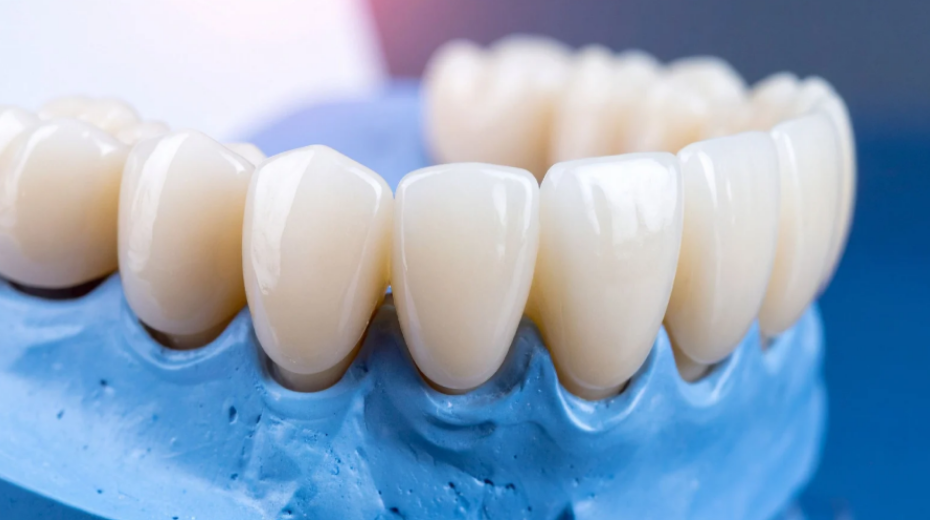
Missing teeth can affect more than just your smile they may impact your ability to chew, speak clearly, and maintain proper dental alignment. For many patients, a dental bridge in Singapore offers an effective way to restore both function and appearance. At Dr. Seah Root Canal + Surgical Implant Clinic, patients often ask whether a bridge is the right solution for them. This article explains what a dental bridge is, how it works, and whether it could help you regain confidence in your smile.
What Is a Dental Bridge?
A dental bridge is a prosthetic device designed to fill the gap left by one or more missing teeth. It consists of different parts, namely, replacement teeth (called pontics) and abutments (crowns on your natural teeth). Pontics are false teeth that are anchored to the natural teeth or implants on either side of the gap.
There are several types of dental bridges available, including:
- Traditional Bridges – Supported by crowns on natural teeth. This is mainly used by
orthodontists andyour dentistsif you have natural teeth on botheithersides of the gap. - Cantilever Bridges – Similar to traditional bridges, a cantilever dental bridge is supported by a natural tooth. The difference is, it’s only attached to
oneyour supporting/natural tooth on one side only. - Maryland Bridges – Unlike the previous dental bridges, Maryland bridges utilise metal wings to secure your dental bridge. It does so by bonding the wings to the back of adjacent teeth with a metal or porcelain framework. This type of bridge is used for the front teeth, as it cannot withstand a larger amount of pressure from chewing.
- Implant-Supported Bridges – Anchored using dental implants rather than natural teeth.
Each type is suitable for different needs, depending on the location of the missing tooth and the condition of the surrounding teeth.
How a Dental Bridge in Singapore Can Fix Your Smile
Patients often wonder if a bridge can truly restore their smile and oral function. A dental bridge in Singapore can help in several ways:
- Restores Chewing Ability – You can bite and chew more comfortably without straining the surrounding teeth.
- Enhances Speech – Missing teeth sometimes make pronunciation difficult, cause lisping, and a bridge can correct this.
- Prevents Shifting of Teeth – Filling the gap prevents other teeth from moving out of alignment.
- Supports Facial Structure – Replacing lost teeth helps maintain the natural shape of your face.
- Boosts Confidence – Many patients feel more comfortable smiling and speaking after treatment.
By bridging the gap, you not only enhance your appearance but also protect your overall dental health.
Dental Bridge vs. Other Treatment Options
When considering how to replace missing teeth, patients often compare bridges with crowns, implants, or dentures.
- Dental Crowns: While crowns cover and protect damaged teeth, they are not designed to replace missing teeth on their own. If you are interested in crowns, you can read more about dental crown replacement.
- Implants: Implant-supported bridges are an alternative when the adjacent teeth are not suitable for crowns.
- Dentures: Unlike removable dentures, bridges are fixed and feel natural in daily use.
A consultation with a dentist can help determine which solution best fits your needs.
What to Expect During the Dental Bridge Procedure
The process of getting a dental bridge typically involves several steps:
- Assessment and Planning – Your dentist evaluates the condition of the adjacent teeth and discusses treatment options.
- Preparation of Supporting Teeth – If using a traditional bridge, the supporting teeth are reshaped and fitted with crowns.
- Impressions – Moulds of your teeth are taken to create a custom bridge.
- Placement of Temporary Bridge – A temporary bridge may be fitted while the permanent one is being made.
- Fitting of Permanent Bridge – The final bridge is placed, adjusted for comfort, and cemented in position.
The procedure usually requires a few visits but results in a long-term solution for missing teeth.
Caring for Your Dental Bridge
Like natural teeth, bridges require proper care to last. Here are some tips to maintain them:
- Brush twice daily and floss carefully around the bridge.
- Use special floss threaders or interdental brushes to clean underneath the pontic.
- Attend regular dental check-ups and cleanings.
- Avoid chewing excessively hard foods that may damage the bridge.
With good oral hygiene, a bridge can last many years.
Can You Fix a Dental Bridge?
Over time, some patients may experience issues such as loose crowns, wear, or discomfort. In such cases, it is possible to fix dental bridge problems through adjustments or replacement. Your dentist will assess whether repair is sufficient or if a new bridge is needed. Prompt attention to any discomfort helps prevent further complications.
Why Choose Dr. Seah Root Canal + Surgical Implant Clinic?
Dr. Seah Root Canal + Surgical Implant Clinic focuses on restorative and endodontic treatments, including root canals, implants, crowns, and bridges. Dr. Seah’s background includes:
- Endodontics (UCL)
- Specialist Endodontist (U.K.
Regn& Singapore) - Former partner and main endodontist at Singapore’s largest dental clinic group (2000–2008)
- Established the Root Canal Clinic in 2008, later expanding to Dr. Seah Root Canal + Surgical Implant Clinic
Patients seeking bridges may also benefit from consultation with Dr Seah, especially if root canal treatment or supporting tooth restoration is required before placing a bridge.
Restore Your Smile and Confidence with a Dental Bridge in Singapore
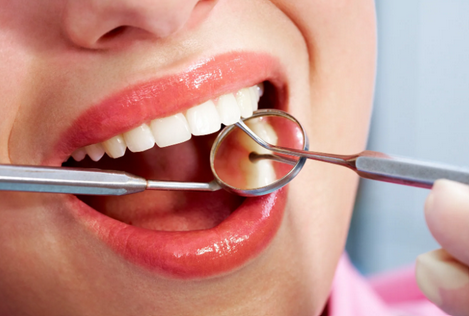
A dental bridge in Singapore can be an effective way to restore missing teeth, protect oral health, and enhance daily comfort. Whether you need a new bridge or want to fix dental bridge issues, discussing your options with a qualified dental professional is the first step.
At Dr. Seah Root Canal + Surgical Implant Clinic, treatment plans are tailored to individual needs, ensuring patients receive care that restores both function and confidence in their smile.
Contact us today to book an appointment with Dr Seah.
