


For many patients, the words ‘root canal treatment’ can trigger anxiety. Misconceptions about the procedure often deter people from seeking timely care, which can lead to the worsening of dental problems. At Dr Seah Root Canal + Surgical Implant Clinic, patient education is an important step in ensuring that you make informed decisions about your oral health.
This article addresses common myths about root canal treatment and provides clarity on what really happens during the procedure and recovery, and how it compares to other dental interventions, such as wisdom tooth extraction vs surgery.
Myth 1: Root Canal Treatment Is Extremely Painful
One of the most widespread beliefs is that root canal treatment is an uncomfortable experience. In reality, the procedure is designed to relieve dis-comfort pain, not cause it. Most dis-comfort associated with root canal issues comes from the underlying infection or inflammation in the tooth pulp.
With the use of local anaesthesia, patients typically feel minimal discomfort during the procedure. The sensation is similar to what you might experience during a standard dental filling. Post-treatment, mild sensitivity is possible, but it usually subsides within a few days.
Myth 2: It’s Better to Extract the Tooth Instead
Another misconception is that tooth extraction is always a simpler solution than root canal treatment. While extraction may seem like a quick fix, saving your natural tooth through root canal therapy is often the preferred approach when possible.
Teeth preserved with root canal treatment can last for many years, especially when reinforced with a dental crown replacement. Extraction, on the other hand, may require additional treatments such as implants or bridges to restore function and appearance.
Myth 3: Root Canal Treatment Causes Illness
Outdated studies once suggested a link between root canal treatment and other health conditions. These theories have since been discredited. Current research shows no evidence that root canal therapy increases the risk of systemic illness. On the contrary, untreated dental infections can pose serious risks to overall health if bacteria spread into the bloodstream.
Myth 4: Recovery Takes a Long Time
Patients often fear that they will need weeks to recover from a root canal. In reality, most people return to their normal activities the same or the next day. Some tenderness is possible, particularly when chewing, but this typically resolves within a short period. Following your dentist’s aftercare instructions can further reduce discomfort and speed recovery.
Myth 5: Root Canals Don’t Work in the Long Run
A well-performed root canal treatment has little to no complications. Teeth treated and restored properly can function for prolonged periods. Success depends on factors such as proper sealing of the root canals, restoration with a dental crown when necessary, and maintaining good oral hygiene. Regular check-ups also play a role in ensuring long-term results.
Myth 6: Only Younger Patients Need Root Canal Treatment
Root canal treatment is not age-specific. Adults of all ages may require the procedure if the tooth pulp is infected or severely damaged. In fact, older patients sometimes benefit the most, as preserving natural teeth helps maintain proper chewing function and prevents jawbone loss that can occur after multiple extractions.
Myth 7: The Tooth Will Be Weaker After a Root Canal
It is true that a tooth becomes more fragile after losing its pulp tissue. However, reinforcement with a dental crown restores both strength and function. Many patients continue to chew normally without issues after crown placement, highlighting the importance of appropriate follow-up care.
Root Canal Treatment vs Other Dental Procedures
Root Canal Treatment vs Wisdom Tooth Extraction vs Surgery
Patients sometimes compare root canal therapy with wisdom tooth extraction, but these procedures address different conditions.
- Root Canal Treatment: Aimed at saving an infected or damaged tooth by cleaning out infected pulp.
- Wisdom Tooth Extraction: Removal of third molars that are impacted, decayed, or causing crowding.
- Wisdom Tooth Surgery: Performed when the tooth is impacted below the gum line or in a complex position, requiring surgical removal.
Both root canal treatment and wisdom tooth extraction vs surgery have specific roles in dental care. A dentist will recommend one over the other depending on whether the goal is to save a tooth or remove a problematic one.
If you experience a severe toothache or swelling and are unsure which treatment you need, consulting an emergency dentist ensures that the condition is managed quickly and appropriately.
Root Canal Treatment vs Wisdom Tooth Extraction? Let Dr Seah’s Clinic Guide You.
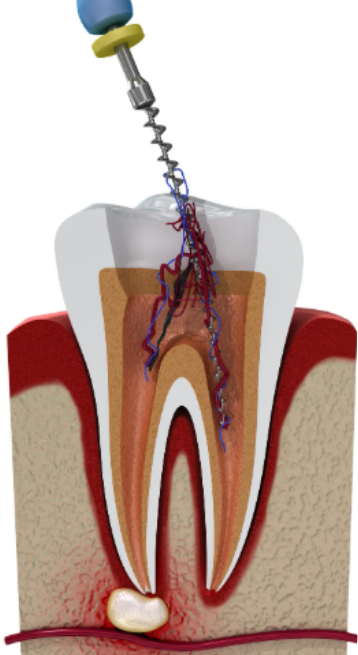
Root canal treatment is often misunderstood, but it remains an effective, safe, and predictable way to preserve natural teeth. By separating fact from myth, patients can make more confident decisions about their oral health.
Whether you are weighing the benefits of root canal treatment or considering the differences in wisdom tooth extraction vs surgery, the team at Dr Seah Root Canal + Surgical Implant Clinic can provide guidance tailored to your situation.
For urgent issues like severe tooth pain or infection, seeking care from an emergency dentist is strongly recommended. Preserving your natural smile often begins with comprehensive research and timely treatment.
For more information on root canal treatment, do not hesitate to contact us—our friendly staff are ready to help you.
