
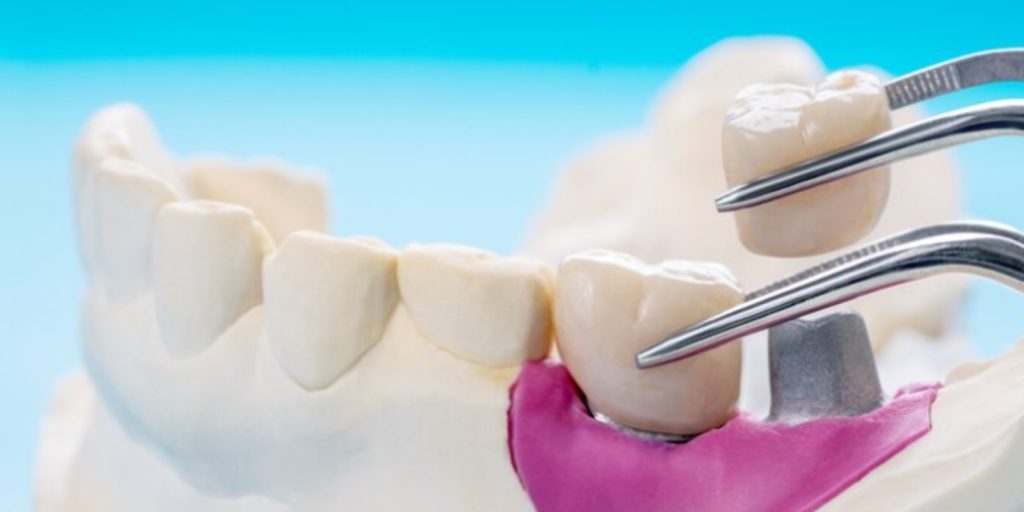
Dental bridges are a suitable replacement for individuals with missing teeth. Dental crown replacement is necessary when an existing crown is damaged, loose, poorly fitting or can no longer adequately protect the underlying tooth. Replacement may also be required when decay develops around or beneath the crown, the supporting tooth fractures or changes in the surrounding gum affect the restoration.
A dental crown is designed to cover and protect a prepared natural tooth. Although crowns can remain functional for many years, they are not permanent restorations and can experience mechanical wear or biological problems over time.
A damaged dental crown does not automatically need replacement. Some minor problems may be repairable, while a crown that has simply lost retention may sometimes be recemented if both the restoration and underlying tooth remain suitable.
The most important step is determining why the crown has developed a problem. Replacing a crown without addressing decay, a crack, pulp disease or another underlying condition may leave the actual cause untreated.
Key Takeaways
Dental crown replacement depends on the condition of both the restoration and the natural tooth underneath it. Important considerations include:
- A crown may need replacement if it is fractured, repeatedly loose, significantly worn or no longer fits properly.
- Decay can develop around crown margins and affect the underlying tooth.
- A loose crown can sometimes be recemented rather than replaced.
- Minor surface damage may occasionally be repairable.
- The tooth should be assessed for decay, cracks and pulp disease before a new crown is placed.
- Some teeth require root canal treatment before crown replacement when the dental pulp is irreversibly inflamed or infected.
- Crown longevity depends on material, tooth condition, oral hygiene, biting forces and maintenance.
- Good aftercare helps protect both the new crown and the remaining natural tooth.
Replacing a crown is therefore a restorative decision involving the entire tooth rather than only the visible dental material.
What Is a Dental Crown Replacement?
Dental crown replacement is the process of removing an existing dental crown, assessing and preparing the underlying tooth, and fitting a new crown when the original restoration can no longer function predictably.
A dental crown is a fixed restoration covering the visible portion of a prepared tooth.
Crowns can be used to restore teeth weakened by decay, fracture or large existing restorations. They may also be placed after root canal treatment when additional structural protection is appropriate.
Replacement becomes relevant when the original crown or underlying tooth changes.
The existing crown usually needs to be removed so the dentist can directly assess the remaining tooth structure.
Any decay or other disease discovered underneath must be managed before the new restoration is completed.
The replacement crown is then designed according to the current condition and shape of the tooth rather than simply duplicating the previous restoration.
Key Signs You May Need a Dental Crown Replacement
Signs that may indicate a dental crown requires assessment include looseness, visible damage, recurring discomfort, changes around the crown margin or difficulty chewing normally.
These symptoms do not always mean that replacement is required. They indicate that the crown and underlying tooth should be examined.
The Crown Feels Loose
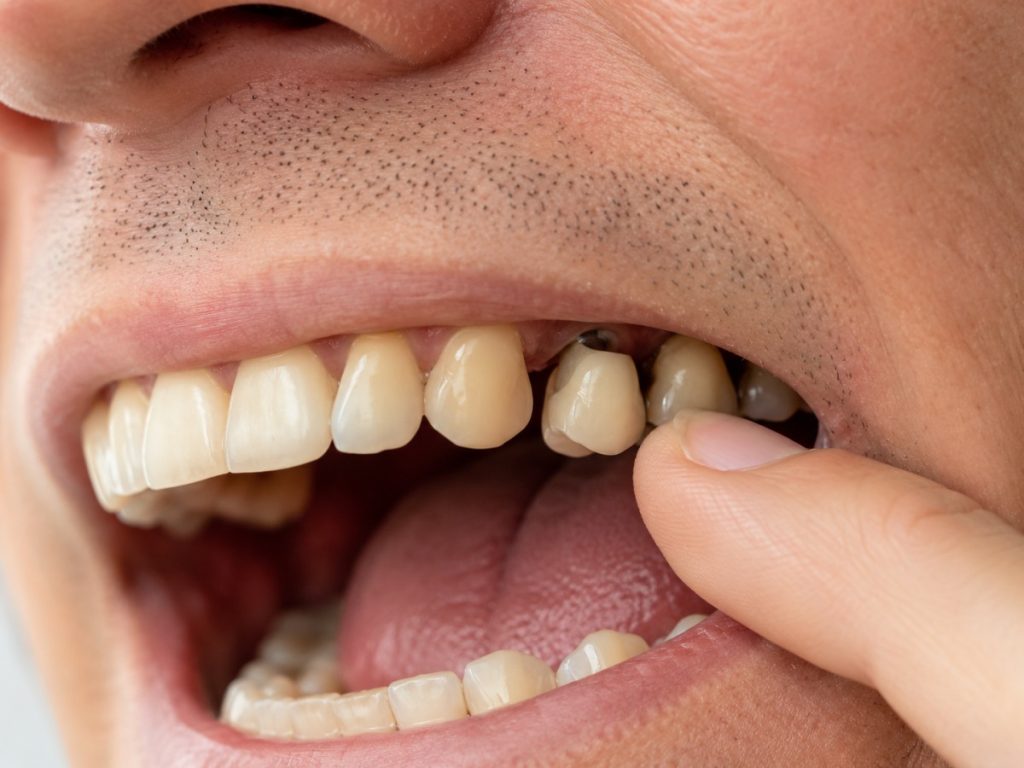
A loose dental crown can occur when the cement holding the restoration loses retention or when changes affect the underlying tooth.
Some loose crowns can be recemented.
Before doing so, the dentist needs to check whether the crown still fits properly and whether decay or structural damage has developed beneath it.
Repeated loosening may indicate that simply recementing the restoration is no longer sufficient.
The Crown Is Cracked or Broken
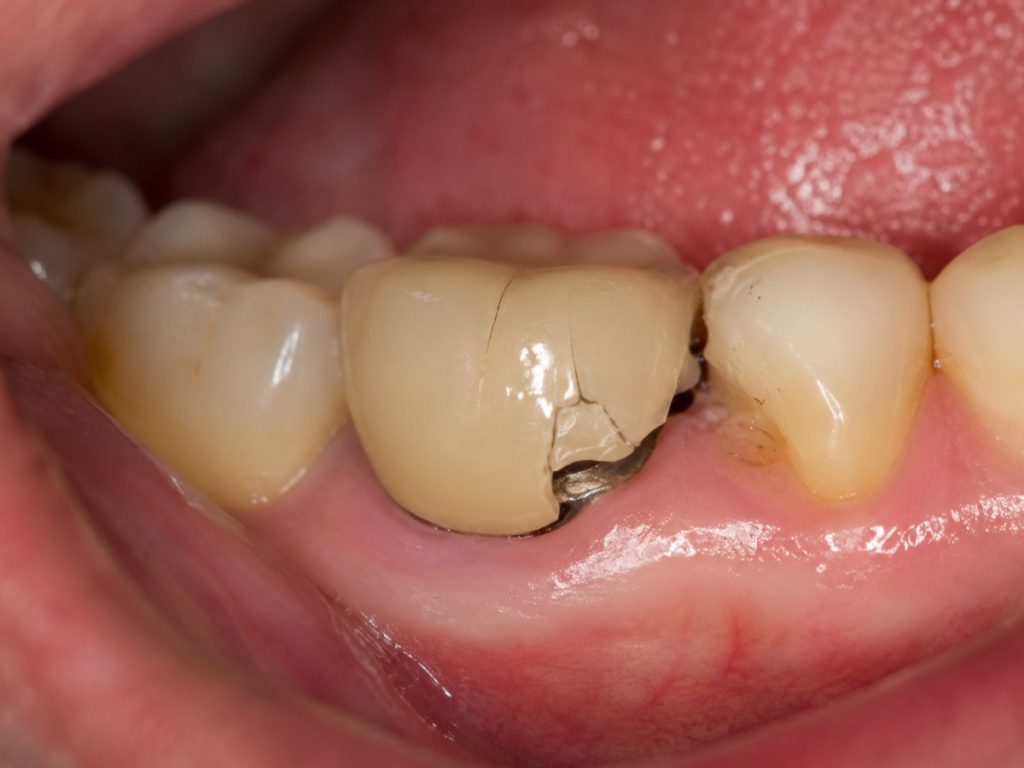
A cracked dental crown may require repair or replacement depending on the material, location and extent of the fracture.
A small surface chip can have different implications from a fracture extending through a major portion of the restoration.
The crown’s structural integrity and ability to protect the underlying tooth need to be evaluated.
If damage has significantly weakened the restoration, replacing the crown may provide a more predictable approach.
Pain When Biting
Biting pain around a crowned tooth can have several possible causes.
The crown may be damaged or the bite may place excessive pressure on the tooth. Problems involving the natural tooth, root or surrounding tissues can also cause chewing discomfort.
A crack in the underlying tooth is another possibility.
Because the visible crown can conceal much of the natural tooth, clinical examination and imaging may be necessary to determine the source.
Sensitivity to Hot or Cold
Temperature sensitivity in a crowned tooth can occur when the underlying dental pulp remains vital and has become irritated or inflamed.
Brief sensitivity does not automatically indicate a serious pulp problem.
Persistent or lingering pain after hot or cold exposure can require further assessment, particularly when symptoms become progressively worse.
The condition of the pulp needs to be established before simply replacing the crown.
Changes Around the Crown Margin
The crown margin is the area where the restoration meets the natural tooth.
Decay can develop around this interface, particularly when plaque accumulates or the margin becomes difficult to clean.
Gum recession can also expose portions of the tooth or crown margin that were previously covered.
Visible changes do not automatically mean the crown has failed, but they can affect its fit, appearance and maintainability.
Common Reasons Dental Crowns Need to Be Replaced
Dental crowns may need replacement because of mechanical damage, changes in the underlying tooth or deterioration affecting the restoration’s fit.
Normal Wear
Dental crowns experience repeated chewing forces every day. Over time, the surface can wear depending on the restorative material and the patient’s bite.
Wear does not necessarily require immediate replacement.
A crown becomes more concerning when deterioration affects its function, fit or structural integrity.
Dental Crown Fracture
Porcelain, ceramic and other restorative materials can chip or fracture.
Minor damage may sometimes be managed conservatively, while extensive fractures can require a new restoration.
The dentist needs to determine whether the defect is limited to a surface layer or compromises the overall crown.
Tooth Decay Beneath the Crown
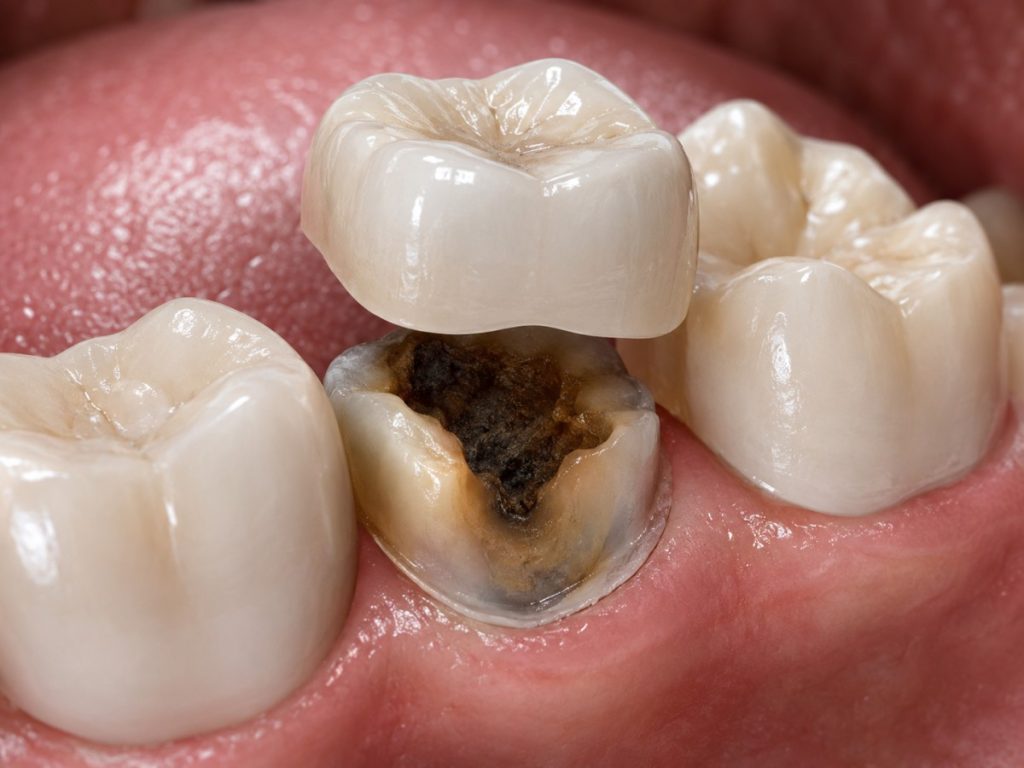
A crown covers a tooth but does not make the remaining natural structure immune to decay.
Bacteria can affect exposed tooth surfaces and areas around the crown margin.
If decay extends underneath the restoration, the crown may need to be removed to provide access for treatment.
The extent of decay then determines whether the tooth can still support another crown.
Cracks in the Underlying Tooth
A natural tooth underneath a crown can develop a crack.
Symptoms can include intermittent chewing pain or discomfort at particular biting angles.
The treatment depends on how deeply the crack extends and whether the dental pulp has been affected.
Some cracked teeth can be treated and restored. Others may have an unfavourable structural prognosis if the fracture extends too deeply.
Problems With the Dental Pulp
The dental pulp inside a crowned tooth can become irreversibly inflamed or infected because of decay, cracks or previous damage.
Root canal treatment may be required when appropriate diagnostic findings confirm pulp disease and the tooth remains suitable for preservation.
Whether the existing crown can remain in place depends on its condition and how treatment access is obtained.
In other cases, replacement may be required after endodontic treatment.
Dental Crown Repair vs Replacement
Dental crown repair may be appropriate when damage is limited and the restoration remains structurally sound. Replacement is more likely when the crown has extensive damage or no longer fits or protects the tooth adequately.
A loose but intact crown, for example, may sometimes be cleaned and recemented.
Minor cosmetic damage may also occasionally be repaired depending on the crown material.
Replacement becomes more likely when there is significant fracture, repeated loss of retention, substantial decay beneath the restoration or changes in the prepared tooth.
The distinction can be summarised as follows:
| Crown Condition | Possible Management |
| Intact crown with loss of cement | Recementation may be possible |
| Minor localised surface damage | Repair may sometimes be considered |
| Significant fracture | Replacement may be necessary |
| Poor crown fit | Replacement may be considered |
| Extensive decay beneath crown | Remove crown, treat tooth and reassess |
| Repeated loosening | Investigate cause; replacement may be required |
| Underlying tooth fracture | Treatment depends on fracture extent |
The final decision requires direct examination because the condition underneath the restoration is as important as the crown itself.
Step-by-Step Dental Crown Replacement Procedure
Dental crown replacement generally involves removing the existing restoration, assessing the underlying tooth and fabricating a new crown that fits the current tooth structure.
The exact sequence can vary according to the condition of the tooth.
Step 1: Examination and Diagnosis
The dentist first evaluates the crown, tooth and surrounding tissues.
Symptoms such as biting pain, sensitivity or looseness are reviewed.
Dental imaging may be used to assess the root and areas of the tooth that cannot be directly examined.
The objective is to determine why the existing crown needs attention before removing it.
Step 2: Removing the Existing Crown
The old crown is carefully removed to expose the underlying tooth.
In some cases, the restoration may need to be sectioned during removal.
Preserving the crown is not always possible, particularly when it is firmly cemented or already structurally compromised.
Once removed, the dentist can directly assess areas that were previously covered.
Step 3: Assessing the Underlying Tooth
The exposed tooth is examined for decay, cracks, remaining structure and other problems.
This stage can change the original treatment plan.
A tooth that appeared straightforward before crown removal may have more extensive decay than expected.
Conversely, the tooth may remain healthy and require relatively limited additional preparation.
Step 4: Treating Decay or Other Disease
Any decay needs to be removed and the remaining tooth reassessed.
If substantial structure has been lost, restorative build-up may be necessary before the new crown can be prepared.
A pulp problem may require endodontic assessment.
Root canal treatment is not automatically required simply because a crown is being replaced. It is indicated when the pulp diagnosis supports endodontic treatment.
Step 5: Preparing the Tooth
The tooth is prepared to create an appropriate shape for the replacement crown.
Preparation needs to provide sufficient space for restorative material while preserving appropriate natural tooth structure.
The exact preparation varies according to the tooth, material and existing condition.
Step 6: Recording the Tooth Shape
The prepared tooth and surrounding area need to be accurately recorded so the new crown can be fabricated.
This may involve conventional impressions or digital scanning depending on the clinical workflow.
The restoration must fit the prepared tooth while maintaining appropriate contact with neighbouring and opposing teeth.
Step 7: Temporary Crown
A temporary restoration may be used while the definitive crown is being produced.
The temporary crown helps protect the prepared tooth and maintain function during this period.
Patients should follow instructions regarding eating and cleaning because temporary restorations are not intended to provide the same long-term performance as definitive crowns.
Step 8: Fitting the Replacement Crown
The new crown is evaluated for fit, contact and bite before final placement.
Adjustments may be made where necessary.
Once the restoration is considered suitable, it is cemented or otherwise retained according to the material and clinical situation.
The patient should be able to close and chew without an obvious abnormal contact.
What Types of Replacement Crowns Are Available?
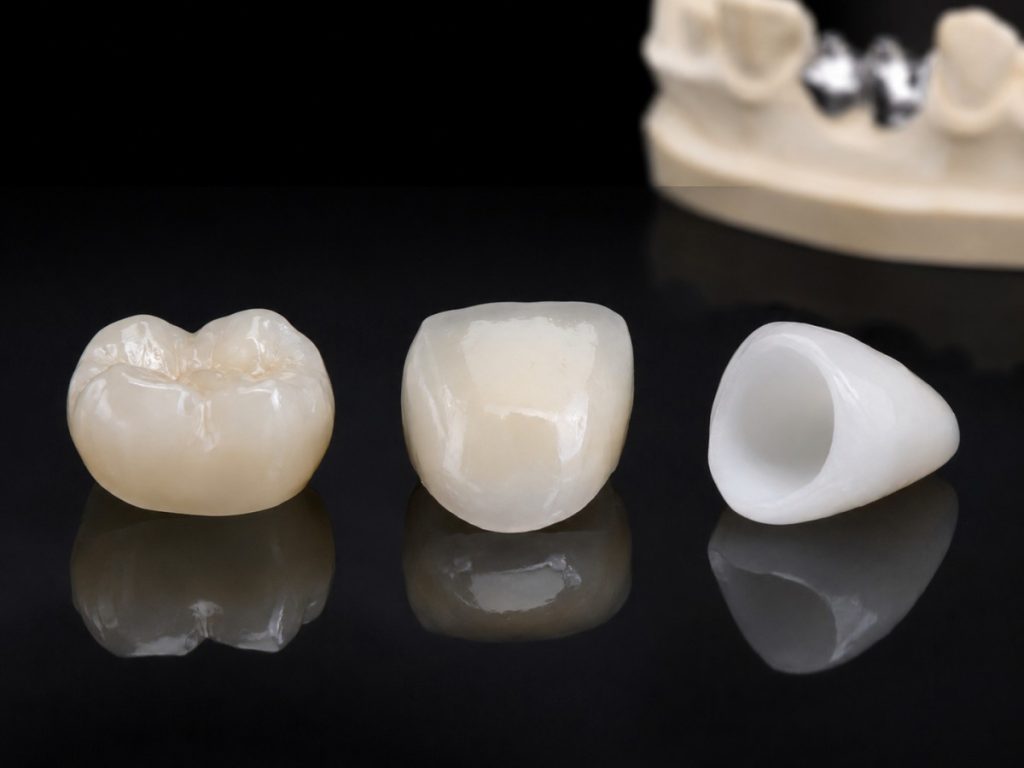
Replacement crowns can be made from different restorative materials, and the appropriate choice depends on the tooth, functional requirements, available tooth structure and aesthetic considerations.
Common options can include ceramic, porcelain-based and zirconia restorations.
Different materials have different physical and aesthetic characteristics.
A front tooth may have different restorative requirements from a molar that experiences substantial chewing forces.
The previous crown material does not necessarily need to be used again.
Replacement provides an opportunity to reassess the restoration according to the current condition of the tooth.
The dentist should explain why a particular material is appropriate rather than presenting one crown material as universally superior.
Can a Root Canal-Treated Crown Be Replaced?
Yes. A crown on a root canal-treated tooth can be replaced when the restoration has deteriorated or no longer provides adequate protection.
The root canal treatment and crown perform different functions.
Root canal therapy manages disease within the pulp and root canal system, while the crown restores and protects the external tooth structure.
Before replacement, the dentist may evaluate both the crown and the previous endodontic treatment.
If there are signs of persistent disease around the root, endodontic assessment may be required before the new crown is completed.
In selected cases, root canal retreatment may need to be considered.
Completing a definitive replacement crown without first addressing known endodontic disease could complicate subsequent treatment.
How Long Does a Replacement Crown Last?
A replacement crown does not have a guaranteed lifespan. Longevity depends on the remaining tooth structure, restorative material, oral hygiene, biting forces and maintenance.
A well-maintained crown can function for many years.
However, the crown is only one part of the restored tooth.
Decay can still develop around the margin, gums can change and the natural tooth can fracture.
Grinding and clenching may also increase mechanical stress.
The fact that a crown has reached a particular age does not automatically mean it should be replaced.
Clinical condition is more important than a predetermined replacement schedule.
Regular dental assessments allow changes to be identified before they develop into more extensive problems.
Dental Crown Replacement Cost in Singapore
Dental crown replacement cost in Singapore varies according to the type of crown, restorative material, condition of the underlying tooth and whether additional dental treatment is required.
Replacing an otherwise straightforward crown can involve different treatment requirements from replacing a restoration over a heavily damaged or root canal-treated tooth.
Factors that may influence the overall treatment include:
- Crown material selected
- Complexity of removing the old restoration
- Amount of healthy tooth structure remaining
- Presence of decay beneath the crown
- Need for restorative build-up
- Need for root canal treatment or retreatment
- Additional diagnostic procedures required
A meaningful quotation therefore normally follows clinical assessment.
Patients should clarify what is included in the proposed treatment and whether additional procedures may become necessary if previously hidden damage is discovered after the old crown is removed.
How to Care for Your New Dental Crown
Caring for a new dental crown involves maintaining the health of the natural tooth, crown margins and surrounding gums. Although the crown itself cannot develop dental decay, the tooth underneath remains susceptible.
Brush the crown and neighbouring teeth regularly using appropriate oral hygiene techniques.
Cleaning between teeth is also important because plaque can accumulate around the crown margins.
The following measures can support crown maintenance:
- Brush the crowned tooth thoroughly each day.
- Clean between the crown and neighbouring teeth.
- Avoid deliberately biting extremely hard objects.
- Do not use the crown or natural teeth as tools.
- Have persistent grinding or clenching assessed.
- Attend dental reviews to monitor the crown and supporting tooth.
The objective is to protect the interface between the restoration and natural tooth while limiting unnecessary mechanical stress.
What Should You Expect After Crown Replacement?
A newly replaced crown may initially feel slightly different because the tooth has undergone preparation and the restoration has changed.
Minor temporary sensitivity can occur in teeth that retain a healthy dental pulp.
However, persistent or worsening symptoms should be assessed.
The crown should not continually feel excessively high when biting.
Likewise, significant spontaneous pain, persistent temperature sensitivity or swelling requires evaluation.
A replacement crown should ultimately allow comfortable function while providing appropriate protection to the underlying tooth.
Patients should follow any individual instructions given after treatment because requirements can differ according to the tooth and procedure.
When Should You Return to the Dentist?
A replacement crown should be assessed if it becomes loose, fractures, causes persistent pain or appears to have changed in fit.
Problems should not be ignored simply because the crown is relatively new.
Symptoms can originate from the restoration, the natural tooth or surrounding tissues.
Prompt assessment can help distinguish a minor restorative adjustment from a more significant dental problem.
Swelling or severe worsening pain should receive timely attention, particularly when infection is possible.
Frequently Asked Questions (FAQs)
How do I know when to replace a dental crown?
A crown may need replacement when it is significantly fractured, repeatedly loose, poorly fitting or associated with substantial decay underneath. A dental examination is required because some crown problems can be repaired instead.
Can a loose dental crown be recemented?
Yes, some loose crowns can be recemented if the restoration remains intact and the underlying tooth is healthy. Repeated loosening requires investigation of the cause.
Can a broken dental crown be repaired?
Minor damage may occasionally be repairable depending on the material and location. Extensive fracture or structural deterioration can make crown replacement more appropriate.
Does removing an old crown damage the tooth?
Crown removal needs to be performed carefully because the objective is to preserve appropriate remaining tooth structure. The technique used depends on the restoration and its retention.
Do I need root canal treatment when replacing a crown?
Not automatically. Root canal treatment is indicated when the dental pulp is irreversibly inflamed, infected or non-vital and the tooth is suitable for preservation. Crown replacement alone does not create an indication for root canal therapy.
Can decay form underneath a crown?
Yes. Natural tooth structure remains susceptible to decay, particularly around crown margins. Significant decay may require removal of the crown so the tooth can be properly assessed and treated.
Can a crown be replaced after root canal treatment?
Yes. A crown on a root canal-treated tooth can be replaced when necessary. The condition of the previous endodontic treatment may also need to be considered before the new restoration is completed.
How many times can a dental crown be replaced?
There is no universal number of times a crown can be replaced. Each replacement requires assessment of how much healthy tooth structure remains and whether another crown can be predictably supported.
Replacing a Crown Means Reassessing the Whole Tooth
Dental crown replacement becomes necessary when an existing restoration can no longer adequately protect or restore the tooth. Common reasons include fracture, repeated loosening, poor fit, wear and decay developing beneath the restoration.
The condition of the crown is only part of the decision. The dentist must also assess the natural tooth underneath, the health of the dental pulp and whether sufficient structure remains to support another restoration.
Some problems can be managed through repair or recementation rather than complete replacement. Other teeth require additional treatment before a new crown can be placed.
A diagnosis-first approach helps ensure that crown replacement addresses both the restoration and the underlying reason it has developed a problem.
Plan the Next Step for a Damaged or Failing Crown
If your dental crown is loose, cracked, uncomfortable or showing signs that it may need replacement, book a consultation with Dr. Seah’s Root Canal Clinic today. An assessment can help determine the condition of the crown and underlying tooth, whether the dental pulp has been affected and whether repair, replacement or endodontic treatment should be considered.