


A root canal is a routine dental procedure designed to relieve pain and save your natural tooth. While the treatment itself is an important step, what you do afterwards plays a significant role in ensuring a smooth and healthy recovery. Unfortunately, many patients unknowingly make mistakes in their root canal aftercare that can delay healing or even cause new dental issues.
This guide highlights the most common aftercare mistakes, why they matter, and how to avoid them. We will also draw comparisons to wisdom tooth extraction aftercare, as both treatments require careful attention during recovery.
1. Skipping Proper Oral Hygiene
One of the most frequent mistakes patients make is neglecting their oral hygiene after a root canal. Some avoid brushing or flossing near the treated tooth, fearing it may cause damage.
Why it’s a problem: Bacteria can still accumulate around the tooth and gums, which may lead to infection or gum disease.
What to do instead: Continue brushing and flossing gently, avoiding direct pressure on the treated tooth for the first few days. Rinsing with a mild saltwater solution can also help keep the area clean and reduce inflammation.
2. Eating Hard or Sticky Foods Too Soon
After a root canal, the treated tooth may feel tender until it’s restored with a filling or a crown. Eating crunchy, sticky, or chewy foods right away is risky.
Why it’s a problem: The tooth is weaker before final restoration. Biting into hard foods could lead to cracks or damage, requiring further treatment such as a dental crown replacement.
What to do instead: Stick to soft foods like soups, mashed vegetables, rice, or smoothies during the early recovery period. Gradually reintroduce firmer foods as your dentist advises.
3. Ignoring Follow-Up Appointments
Some patients feel relief after a root canal and assume no further visits are needed. This is a common but avoidable mistake.
Why it’s a problem: A root canal often requires multiple steps, including the placement of a permanent crown. Skipping follow-ups could leave the tooth unprotected, making it more vulnerable to damage or reinfection.
What to do instead: Always attend your scheduled follow-up visits. These allow your dentist to monitor healing, complete the restoration, and prevent long-term issues.
4. Resuming Normal Activities Too Quickly
Many patients underestimate the importance of rest after dental treatment. Returning to strenuous activity too soon can interfere with recovery.
Why it’s a problem: Increased blood flow from exercise or heavy lifting can aggravate tenderness or swelling.
What to do instead: Give yourself time to heal. While most patients can return to daily routines quickly, it’s wise to avoid intense activities for at least 24 hours after treatment. This advice also applies to wisdom tooth extraction aftercare, where overexertion can delay healing and increase discomfort.
5. Self-Medicating or Stopping Prescribed Medications Early
Pain after a root canal is usually manageable, but some patients make the mistake of taking over-the-counter remedies without guidance or stopping prescribed antibiotics too soon.
Why it’s a problem: Incomplete antibiotic courses may allow bacteria to persist, leading to infection. Overusing certain painkillers can also have side effects.
What to do instead: Follow your dentist’s instructions for all medications. If pain persists or worsens despite following the plan, contact your clinic for advice.
6. Ignoring Warning Signs
Occasional mild discomfort after a root canal is normal, but some patients ignore persistent pain, swelling, or fever.
Why it’s a problem: These can be signs of complications such as infection or reinflammation. Ignoring these issues delays treatment and may worsen the outcome.
What to do instead: Pay attention to your body. If you experience severe or prolonged symptoms, contact an emergency dentist in Singapore for immediate care.
7. Delaying Final Restoration
A root canal-treated tooth often requires a crown to restore its strength. Postponing this step leaves the tooth in a vulnerable position.
Why it’s a problem: Without a crown, the treated tooth is more likely to fracture under normal biting pressure.
What to do instead: Schedule your crown placement promptly to protect the tooth and restore full function.
Root Canal Aftercare vs. Wisdom Tooth Extraction Aftercare
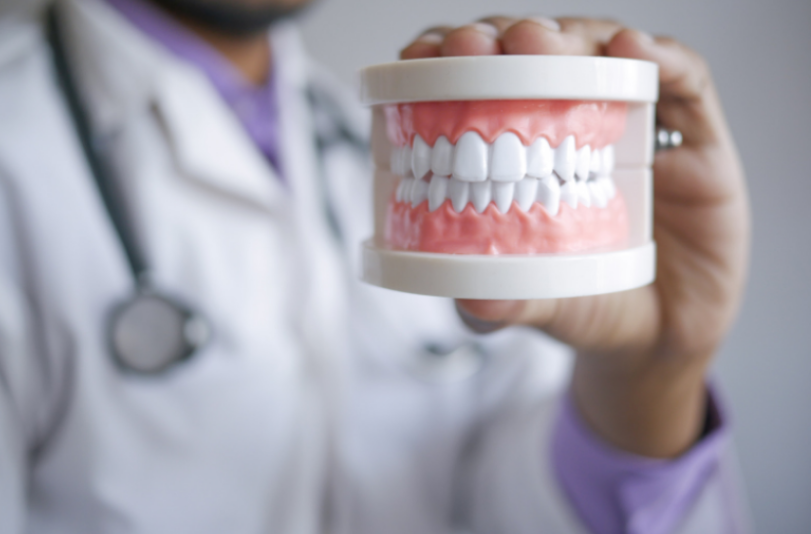
Although a root canal and a wisdom tooth extraction are different procedures, both share one key principle: careful aftercare leads to optimal recovery. Neglecting instructions, eating the wrong foods too early, or skipping check-ups are mistakes patients make in both cases. Taking the time to heal properly helps prevent complications and reduces the need for additional treatments.
Protecting Your Dental Health
Your recovery after a root canal doesn’t end when you leave the dental chair — it continues with the choices you make in the days and weeks following treatment. Avoiding common mistakes such as poor oral hygiene, eating the wrong foods, or skipping appointments will help ensure your tooth heals well and stays strong.
For tailored advice and support, book an appointment with Dr Seah Root Canal + Surgical Implant Clinic. Our team is here to guide you through every step of your recovery, whether it’s root canal aftercare or wisdom tooth extraction aftercare.
