


Root canal treatment is one of many dental procedures that individuals undergo to address inflammation or infection in their teeth. Root canal treatment in Singapore is an endodontic procedure used to treat inflammation or infection within the dental pulp while preserving the natural tooth where clinically appropriate. The treatment removes affected pulp tissue, cleans and disinfects the root canal system, and seals the canals to reduce the risk of reinfection.
A root canal may become necessary when deep tooth decay, cracks, trauma or repeated dental procedures allow the pulp inside a tooth to become inflamed, damaged or infected. Symptoms can include persistent tooth pain, prolonged sensitivity, discomfort when chewing, swelling or a recurring dental abscess.
Not every toothache requires root canal therapy, and diagnosis normally involves examining the tooth, assessing symptoms and using appropriate dental imaging or tests to determine whether the pulp is affected.
This detailed guide explains the complete root canal journey, from recognising symptoms and understanding the procedure to recovery, aftercare, treatment costs, retreatment and endodontic surgery.
Key Takeaways
Root canal treatment focuses on removing disease from inside the tooth while retaining as much natural tooth structure as possible. The most important points to understand are:
- Root canal therapy treats inflamed, infected or damaged dental pulp.
- Persistent tooth pain, prolonged sensitivity, swelling and biting discomfort can indicate a pulp problem.
- Local anaesthesia is used during treatment to manage discomfort.
- Recovery commonly involves temporary tenderness rather than severe ongoing pain.
- A permanent restoration, such as a dental crown in suitable cases, may be required to protect the treated tooth.
- Root canal costs vary according to the tooth, complexity, specialist care and restorative requirements.
- Persistent or recurrent disease may sometimes be managed through retreatment or an apicoectomy.
An endodontist may be recommended for complex anatomy, previously treated teeth, persistent infection, cracked teeth or other challenging endodontic cases.
What Is Root Canal Treatment?
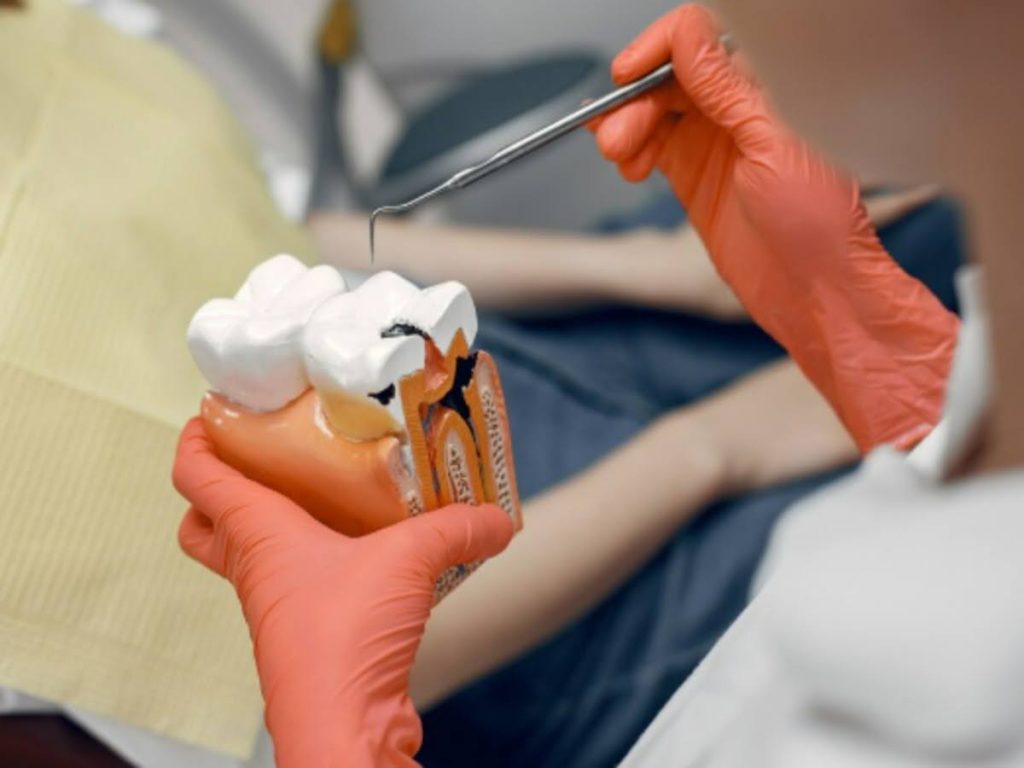
Root canal treatment is a specialised dental procedure that removes inflamed or infected tissue from inside a tooth and treats the internal root canal system. The treatment is also known as endodontic treatment or root canal therapy.
Inside every tooth is a space containing dental pulp, and the pulp consists of nerves, blood vessels and connective tissue that play an important role while the tooth is developing.
When bacteria reach the pulp through decay, cracks or other damage, inflammation and infection can develop. If the pulp cannot recover, root canal treatment may be required to remove the diseased tissue and preserve the remaining tooth.
During treatment, the clinician removes the affected pulp and cleans, shapes and disinfects the root canals. The prepared canals are then filled and sealed.
Root canal therapy therefore differs from tooth extraction. An extraction removes the entire tooth, whereas endodontic treatment attempts to retain the natural tooth by treating disease within it.
Key Signs You May Need a Root Canal
Signs that may indicate a need for root canal treatment include persistent pain, prolonged temperature sensitivity, swelling and tenderness when biting. These symptoms can develop when the dental pulp becomes significantly inflamed or infected.
Common warning signs include:
- Persistent or severe toothache
- Lingering sensitivity to hot or cold
- Pain when biting or chewing
- Swelling around a particular tooth
- A recurring pimple-like swelling on the gum
- Tooth darkening following trauma
- A dental abscess or drainage around the tooth
An infected tooth does not always produce severe pain. If pulp tissue loses vitality, earlier pain can sometimes decrease even though infection remains within the root canal system.
This is why symptoms should be assessed rather than used to self-diagnose the need for treatment. An endodontist can evaluate the pulp, root and surrounding tissues to establish whether root canal therapy is appropriate.
Common Causes of Tooth Infection

Tooth infection commonly develops when bacteria gain access to the dental pulp through damaged tooth structure. Deep decay is one of the most frequent pathways, but several other dental conditions can compromise the pulp.
Common causes include:
- Deep Dental Decay: Progressive decay can eventually reach the pulp.
- Cracked Teeth: A crack may allow bacteria to enter deeper parts of the tooth.
- Dental Trauma: An impact can damage the pulp even when the tooth does not appear severely broken.
- Repeated Dental Procedures: Extensive previous treatment can sometimes contribute to pulp irritation or damage.
- Structural Damage: Significant fractures or loss of tooth structure can expose or compromise the pulp.
A dentist also identifies tooth decay and damage that allow bacteria to enter through cracks as reasons pulp inflammation can develop.
The underlying cause matters because treatment must address both the internal infection and the structural condition of the remaining tooth.
Step-by-Step Root Canal Procedure
A root canal procedure generally involves diagnosis, local anaesthesia, access to the internal tooth, removal of diseased tissue, cleaning and disinfection, sealing of the canals and appropriate restoration.
1. Examination and Diagnosis
Diagnosis determines whether the symptoms originate from the dental pulp and whether root canal treatment is appropriate. The clinician assesses the patient’s symptoms, tooth condition and surrounding tissues.
Dental imaging may be used to evaluate the roots and surrounding bone. More specialised imaging, such as CBCT, may be considered when additional three-dimensional information is clinically useful in a complex case.
2. Local Anaesthesia
Local anaesthesia is normally used to numb the tooth and surrounding area. Its purpose is to allow treatment to be carried out while minimising procedural discomfort.
3. Accessing the Root Canal System
A small opening is created in the tooth to provide access to the pulp chamber and root canals. The location and complexity of the canals depend on the type of tooth and individual anatomy.
4. Removing the Affected Pulp
Inflamed, infected or non-vital pulp tissue is removed from the internal tooth. The clinician then gains access to the individual root canals.
5. Cleaning and Disinfection
The canals are carefully cleaned, shaped and disinfected. This stage is important for reducing bacteria and preparing the internal spaces for filling.
6. Filling and Sealing
Once prepared, the root canal system is filled with an appropriate material and sealed. This helps reduce the opportunity for bacteria to recolonise the treated canals.
7. Restoring the Tooth
The tooth needs an appropriate restoration after endodontic treatment. Depending on its condition and remaining structure, this may involve a filling, crown or another restorative solution.
Is Root Canal Treatment Painful?
Modern root canal treatment is generally performed under local anaesthesia, which is intended to control pain during the procedure. The discomfort that leads patients to seek treatment is often caused by the inflamed or infected tooth rather than the root canal procedure itself.
The experience can differ according to the condition of the tooth and complexity of treatment. Patients with substantial pre-treatment inflammation may require individualised pain-management considerations.
After treatment, some tenderness can occur as the tissues surrounding the root recover. The tooth may feel sensitive when chewing for a short period.
Severe, increasing or persistent pain should not simply be assumed to be part of normal recovery. A dentist or endodontist should reassess symptoms that do not improve as expected.
Recovery Timeline and Aftercare

Root canal recovery generally involves a short period of temporary tenderness followed by progressive improvement. Biological healing of the tissues around the root may continue after the tooth feels comfortable again.
Immediately After Treatment
Numbness from local anaesthesia may remain for a period after the appointment. Patients should take care when eating until normal sensation returns to avoid accidentally biting the cheek, lip or tongue. The treated tooth may feel different from neighbouring teeth, particularly when biting.
The First Few Days
Mild tenderness can occur during the early recovery period. The tissues surrounding the root may need time to settle following treatment. Patients should follow the specific instructions provided by their treating dentist or endodontist regarding oral hygiene, medication and chewing.
Following Restoration
A permanent restoration may be required to protect the treated tooth. This is an important part of the overall treatment rather than an optional cosmetic step. Patients should maintain normal oral hygiene around the treated tooth and attend recommended follow-up appointments.
What to Eat After Root Canal Treatment
Food after root canal treatment should minimise unnecessary pressure on the treated tooth, particularly while anaesthesia remains active or when a temporary restoration is present.
Once numbness has subsided and the clinician has confirmed that eating is appropriate, softer foods may be more comfortable during early recovery. Examples can include eggs, yoghurt, rice, soft vegetables, soups allowed to cool to a comfortable temperature and other foods requiring limited chewing.
Patients should be cautious with:
- Very hard foods
- Sticky foods that may disturb a temporary restoration
- Chewing directly on the treated tooth when advised otherwise
- Foods require substantial biting pressure
The specific restrictions depend on whether treatment has been completed and what restoration is protecting the tooth. A root canal-treated tooth with a temporary restoration should be treated carefully until definitive restorative treatment is completed.
Signs Your Root Canal Is Healing Properly
A healing root canal-treated tooth should generally become progressively more comfortable rather than increasingly painful. Mild tenderness shortly after treatment can occur and does not by itself indicate a problem.
Positive recovery signs can include reduced pre-treatment pain, decreasing biting tenderness, absence of new swelling and the ability to return gradually to normal function.
Healing around the root is not determined solely by whether the tooth feels comfortable. Follow-up imaging may sometimes be used to assess changes in tissues surrounding a previously infected root.
Patients should contact their dental provider when symptoms worsen instead of improving, particularly if swelling, drainage or substantial pain develops.
The goal is not necessarily for the tooth to feel completely normal immediately after treatment. The important pattern is progressive recovery without new signs of infection.
Root Canal Cost in Singapore
Root canal cost in Singapore significantly varies because the complexity of treatment differs according to the individual tooth and clinical situation. A simple first-time treatment does not necessarily require the same resources as a complex molar, previously treated tooth or case involving unusual anatomy.
Factors that can influence the treatment requirements include the type of tooth, number and configuration of canals, severity of disease, previous dental work, specialist involvement and restorative needs.
Dr. Seah’s Root Canal Clinic similarly notes that root canal treatment costs vary based on factors including the complexity of the condition, type of tooth, specialist experience and crown selected. Patients should therefore obtain an individual assessment rather than assuming that one advertised figure will apply to every root canal.
Singapore’s Ministry of Health has also introduced dental fee benchmarks for common procedures to improve transparency and help patients make more informed decisions about dental fees.
Does MediSave Cover Root Canal?
Flexi-MediSave can now be used by eligible seniors aged 60 and above for root canal treatment in Singapore, subject to the scheme’s requirements and prevailing withdrawal limit. This is a significant distinction from assuming that conventional MediSave automatically pays for routine dental treatment.
In July 2026, the Ministry of Health confirmed that Flexi-MediSave had been extended to higher-cost restorative dental procedures, including root canal treatments and permanent crowns, at public healthcare institutions and CHAS dental clinics.
The annual Flexi-MediSave withdrawal limit is $400. MOH states that seniors aged 60 and above can tap Flexi-MediSave to offset up to this amount per year for eligible root canal treatments and permanent crowns.
Eligibility and the amount available to an individual can vary. Patients should confirm whether the clinic participates in the applicable scheme and whether their proposed treatment qualifies before relying on MediSave for payment.
Why Root Canal Costs Vary
Root canal costs vary because the term “root canal treatment” covers procedures with substantially different levels of complexity. The anatomy and existing condition of the tooth determine much of the clinical work involved.
A front tooth may have a comparatively straightforward canal system, whereas a molar can contain multiple canals with complex configurations. Curved, narrow, calcified or difficult-to-identify canals can require additional treatment considerations.
Previous treatment can also increase complexity. During retreatment, existing root-filling materials may need to be removed before the canal system can be reassessed and disinfected.
Specialist care may be appropriate when the case involves difficult anatomy, persistent infection, previous treatment or other complicating factors. Endodontists focus specifically on conditions involving the dental pulp and roots and may use specialised equipment such as operating microscopes and advanced imaging.
Costs should therefore be considered in the context of what treatment the individual tooth requires rather than comparing procedures as though every case were identical.
Signs of a Failed Root Canal
A previously root canal-treated tooth may require reassessment when pain persists, returns after a symptom-free period or develops alongside swelling or other signs of infection. This does not necessarily mean that the tooth must be extracted.
Possible warning signs include:
- Persistent or returning pain
- Pain when biting or chewing
- Swelling around the treated tooth
- Recurring drainage or gum swelling
- New discomfort after a period without symptoms
Problems can occur when infection persists within complex canal anatomy or when a treated tooth becomes reinfected. New decay, restoration problems and cracks can also affect previously treated teeth. A symptomatic root canal-treated tooth should therefore be diagnosed before determining the next step.
Root Canal Retreatment vs Apicoectomy
Root canal retreatment and apicoectomy are two different approaches for managing persistent disease involving a previously treated tooth. Retreatment approaches the root canal system through the tooth, while an apicoectomy approaches the root tip surgically.
Root Canal Retreatment
Endodontic retreatment involves reopening a previously treated tooth and removing the existing root-filling materials. The clinician can then inspect the canal system, identify potentially untreated anatomy and clean, disinfect and seal the canals again.
Retreatment may be considered when the suspected cause of persistent infection can be addressed through the internal root canal system.
Apicoectomy
An apicoectomy is a form of endodontic surgery involving the root end. The clinician accesses the root through the gum, removes diseased tissue and a small portion of the root tip, and manages the root end as required.
Endodontic surgery may be considered when conventional treatment cannot adequately resolve infection or when accessing the problem through the tooth is not the preferred approach. Dr. Seah’s Clinic identifies persistent infection, root-end pathology, blocked or inaccessible canals and complex root anatomy among situations in which endodontic surgery may be considered.
The appropriate choice depends on why the original treatment has not healed, the condition of the restoration, remaining tooth structure, root anatomy and overall prognosis.
How Dental Microscopes and CBCT Can Support Complex Treatment

Dental operating microscopes and CBCT scans are technologies that can assist with selected complex endodontic cases. They serve different purposes and are not necessarily required for every root canal.
A dental microscope provides magnification and illumination. This can help an endodontist visualise small anatomical details within the tooth, particularly when identifying complex canals or managing retreatment.
CBCT provides three-dimensional imaging of dental structures. It may provide additional diagnostic information when conventional two-dimensional imaging does not adequately show complex anatomy or surrounding structures.
A well-equipped dental clinic provides digital imaging, cone beam CT, microscopes and ultrasonics among the specialised technologies used in endodontic practice.
Technology should support clinical diagnosis and treatment rather than be treated as a substitute for professional judgement.
Root Canal Treatment vs Tooth Extraction
Root canal treatment and extraction address a diseased tooth in fundamentally different ways. Root canal therapy attempts to preserve the tooth, whereas extraction removes it.
Preserving a natural tooth can maintain its position within the dental arch and allow it to continue functioning when the tooth has sufficient remaining structure and a reasonable prognosis.
However, not every infected or damaged tooth can be predictably preserved. Extensive fractures, inadequate remaining structure, severe periodontal problems or other clinical factors may make extraction a more appropriate option.
An endodontic assessment can be useful when it is unclear whether a compromised tooth remains suitable for preservation.
The decision should therefore be based on diagnosis, restorability and prognosis rather than assuming either extraction or root canal treatment is automatically preferable.
How to Prevent Future Root Canal Problems
Preventing root canal problems primarily involves reducing the risk of deep decay, cracks and untreated dental disease. Good oral health practices cannot prevent every endodontic problem, particularly dental trauma, but they can reduce several common risk factors.
Practical measures include:
- Brush consistently with fluoride toothpaste.
- Clean between the teeth with floss or suitable interdental aids.
- Attend dental examinations according to individual oral health needs.
- Address tooth decay before it progresses towards the pulp.
- Have cracked, damaged or painful teeth assessed promptly.
- Protect teeth appropriately during activities with a risk of dental trauma.
A tooth that has already received root canal treatment also requires ongoing care. The remaining natural tooth can still develop decay, structural damage or problems involving its restoration.
Long-term preservation therefore depends on both successful endodontic treatment and appropriate restorative and preventive dental care.
When Should You See a Root Canal Specialist in Singapore?
A root canal specialist, or endodontist, may be recommended when diagnosis or treatment involves the dental pulp, roots or surrounding tissues and the case requires specialist endodontic management.
Patients may be referred for persistent tooth pain, complex root canal anatomy, dental trauma, cracked teeth, recurring infection or a previously unsuccessful root canal.
Endodontists receive additional specialist training focused on diagnosing and treating pulp and root-related conditions. Complex treatment can also involve specialised instruments, operating microscopes, imaging and microsurgical techniques.
Dr. Seah Yang Howe is accredited as a Specialist in Endodontics in Singapore and the UK and holds an MSc in Endodontics from University College London’s Eastman Dental Institute.
Specialist involvement is not automatically necessary for every root canal. The appropriate provider depends on the complexity of the tooth and the treatment required.
Frequently Asked Questions (FAQs)
How do I know whether I need root canal treatment?
Persistent toothache, prolonged temperature sensitivity, pain when biting, swelling or a recurring dental abscess can indicate pulp or root-related disease. These symptoms cannot confirm the diagnosis by themselves, so a dental examination and appropriate diagnostic tests are required.
Is root canal treatment painful?
Root canal treatment is normally performed under local anaesthesia to minimise procedural pain. Some tenderness may occur afterwards as the tissues surrounding the tooth recover, but severe or worsening pain should be reassessed.
How long does root canal treatment take?
Treatment time depends on the tooth and complexity of the case. Dr Seah’s clinic states that a session typically takes approximately 60–90 minutes and that many cases require two appointments, although individual treatment plans can differ.
Do I need a crown after root canal treatment?
Not every treated tooth requires exactly the same restoration. A crown may be recommended depending on the location of the tooth, amount of remaining structure and functional demands. The definitive restoration is important for protecting the tooth after endodontic treatment.
Can a root canal-treated tooth become infected again?
Yes. Persistent bacteria, untreated anatomy, new decay, restoration problems or cracks can contribute to recurrent disease. Depending on the cause and condition of the tooth, endodontic retreatment or surgery may sometimes provide another opportunity to preserve it.
What happens if root canal treatment fails?
A tooth that does not heal as expected should first be reassessed to identify the cause. Root canal retreatment may involve reopening and disinfecting the canals, while endodontic surgery such as an apicoectomy may be considered in selected cases.
Can MediSave be used for root canal treatment in Singapore?
Eligible seniors aged 60 and above can use Flexi-MediSave for qualifying root canal treatments and permanent crowns at public healthcare institutions and CHAS dental clinics. The prevailing annual Flexi-MediSave limit is $400, subject to eligibility and scheme requirements.
Should I see a general dentist or an endodontist?
General dentists can manage many dental conditions and root canal cases, while an endodontist has additional specialist training focused on the pulp and root canal system. Complex anatomy, persistent infection, retreatment, trauma or difficult diagnosis may warrant specialist assessment.
Preserving Your Natural Tooth Through Appropriate Endodontic Care
Root canal treatment in Singapore is used to manage disease within the dental pulp and root canal system while attempting to preserve the natural tooth. The treatment generally involves diagnosis, local anaesthesia, removal of diseased pulp, cleaning and disinfection of the canals, sealing and appropriate restoration.
Recognising persistent pain, prolonged sensitivity, swelling and other signs of infection can support earlier assessment, but symptoms alone cannot determine whether root canal therapy is required. The condition of the pulp, root anatomy, remaining tooth structure and surrounding tissues all influence the treatment decision.
Recovery and long-term outcomes also extend beyond completion of the root canal itself. Appropriate aftercare, definitive restoration, oral hygiene and follow-up help protect the treated tooth. When disease persists or returns, retreatment or endodontic surgery may provide additional tooth-preservation options in suitable cases.
Discuss Root Canal Treatment with Dr. Seah’s Root Canal Clinic
If you have persistent tooth pain, swelling, a suspected tooth infection or a previously treated tooth that has developed new symptoms, an endodontic assessment can help establish the diagnosis and appropriate treatment approach. You can contact Dr. Seah’s Root Canal Clinic to arrange an assessment for root canal treatment, retreatment or other endodontic care in Singapore.
