


Wisdom tooth removal requires temporary changes to your diet because the extraction site needs time to form a stable blood clot and begin healing. During the early recovery period, soft foods that require minimal chewing are generally easier to eat and less likely to irritate the surgical area.
After wisdom tooth extraction, foods such as yoghurt, mashed vegetables, soft eggs, porridge and smooth soups can provide nutrition without placing unnecessary pressure on the extraction site. Hard, crunchy, sticky and very chewy foods are usually best avoided until the area becomes more comfortable.
Eating after wisdom tooth surgery should progress gradually rather than following a fixed schedule. The complexity of the extraction, number of wisdom teeth removed, swelling and individual healing can all affect when a person can comfortably return to a normal diet.
Key Takeaways
A suitable recovery diet should provide adequate nutrition while minimising unnecessary irritation to the extraction site. Important points include:
- Choose soft foods during the first stage of recovery.
- Wait until numbness has sufficiently worn off before eating foods that require chewing.
- Avoid chewing directly over the extraction site where practical.
- Stay adequately hydrated throughout recovery.
- Avoid hard, crunchy and sharp foods that may irritate the socket.
- Avoid very hot foods and drinks while the mouth is numb.
- Do not use straws during early healing if your dentist has advised against them.
- Gradually reintroduce firmer foods as pain, swelling and chewing ability improve.
- Follow your dentist’s specific post-operative instructions if they differ from general guidance.
Diet supports recovery, but protecting the blood clot and maintaining appropriate oral hygiene are also important parts of healing after wisdom tooth removal.
Why Does Your Diet Matter After Wisdom Tooth Removal?
Your diet matters after wisdom tooth removal because eating can directly affect the healing extraction site. The goal is to obtain sufficient nutrition without repeatedly disturbing the wound.
After a wisdom tooth is removed, a blood clot normally forms inside the socket. This clot protects the underlying tissues and forms part of the early healing process.
Food that is hard, sharp or difficult to chew can place unnecessary pressure on the area. Small food particles may also become trapped around the socket. A softer recovery diet reduces the amount of chewing needed while the mouth is sore or swollen.
Diet is therefore not about finding foods that directly “heal” the socket. It is primarily about supporting general nutrition while making eating more comfortable and reducing unnecessary mechanical irritation.
When Can You Eat After Wisdom Tooth Removal?
Eating can usually resume after wisdom tooth removal according to the dentist’s instructions and once it can be done safely. The effects of local anaesthesia are an important consideration during the first few hours.
While the mouth remains numb, it can be difficult to accurately judge temperature or feel whether the cheek, lip or tongue is being bitten.
Patients should therefore be particularly cautious with hot foods and drinks. Once sensation begins returning and the treating clinician’s instructions allow eating, soft foods are generally the most manageable starting point.
The exact timing can vary if sedation or general anaesthesia was used. Patients should follow any specific instructions regarding food, drink and medication provided by the clinic.
What to Eat During the First 24 Hours
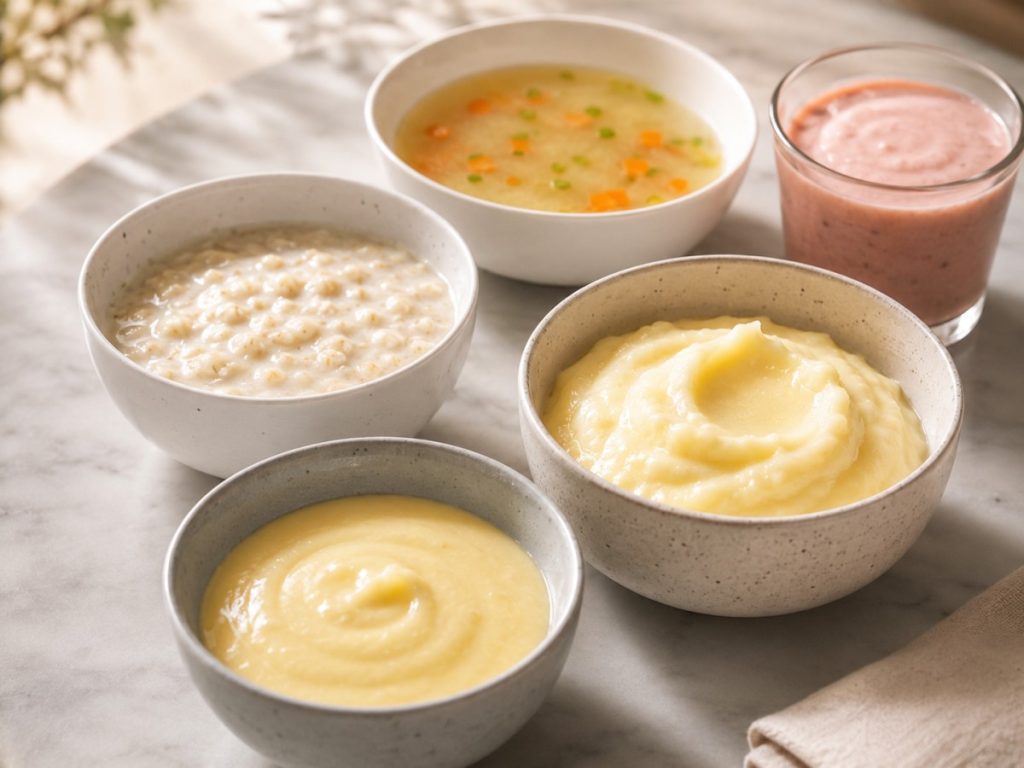
Foods during the first 24 hours should generally be soft, easy to swallow and require little chewing. The extraction area can be tender during this period, and the blood clot is still stabilising.
Suitable options may include:
- Smooth yoghurt without hard toppings.
- Mashed potato or other soft mashed vegetables.
- Soft porridge or congee allowed it to cool to a comfortable temperature.
- Smooth blended soup that is not very hot.
- Applesauce or smooth fruit purée.
- Soft scrambled eggs.
Choose options that can be eaten comfortably without vigorous chewing around the surgical area.
What to Eat During Days 2 to 3
During the second and third days, soft foods generally remain appropriate because swelling and tenderness can still be significant. Wisdom tooth swelling may become more noticeable during this stage before beginning to settle.
Patients who feel comfortable can gradually add foods with slightly more texture. Examples include soft noodles cut into manageable pieces, well-cooked vegetables, soft fish, tofu and tender eggs.
Chewing should remain gentle, therefore, if a particular food causes pain or requires substantial force to chew, return temporarily to softer options.
What to Eat During Days 4 to 7
During days four to seven, many patients can gradually expand their diet as pain and swelling improve. The extraction socket is still healing, so this is not necessarily the time to immediately resume every hard or crunchy food.
Foods such as soft rice, pasta, tender fish, soft cooked vegetables and finely prepared meat may become easier to manage. The appropriate progression depends on comfort.
A straightforward wisdom tooth extraction may allow a faster return to normal eating than surgical removal of a deeply impacted tooth. Patients recovering from multiple extractions may also need a softer diet for longer.
When Can You Eat Normally Again?
Normal eating can generally resume gradually when chewing is comfortable and the dentist has not advised specific restrictions. There is no single day on which every patient should return to a completely normal diet.
Some people feel comfortable eating a broader range of foods within several days. Others may need one to two weeks before harder foods feel comfortable, particularly after more complex wisdom tooth surgery.
Pain and swelling should generally improve during recovery. A patient should not force a return to hard foods simply because a certain number of days have passed.
Comfort, healing progress and the treating dentist’s instructions are more useful guides.
Best Foods After Wisdom Tooth Removal
The best foods after wisdom tooth removal are generally nutritious options with a texture that requires minimal chewing.
Soft Protein Sources
Protein supports normal tissue maintenance and repair throughout the body. Soft protein options can include eggs, tofu, yoghurt and tender fish.
These foods can be easier to manage than tough meat during early recovery. Protein-rich foods do not need to be consumed directly for the extraction socket to heal, but adequate overall nutrition supports normal recovery.
Soft Carbohydrate Foods
Soft carbohydrate foods can provide energy while being relatively easy to eat. Porridge, mashed potatoes, soft rice and well-cooked pasta are possible options. Keep in mind preparation matters, for example, dry or crispy rice may be difficult to chew, whereas softer rice can be more comfortable.
Cooked Vegetables
Vegetables can remain part of the recovery diet when prepared to a soft consistency. Steaming or boiling vegetables until tender can make them easier to chew.
Vegetables can also be mashed or blended during the earliest recovery period. Hard raw vegetables are usually less suitable initially because they require greater chewing force.
Soft Fruit
Soft fruit can provide variety during recovery. Bananas, avocados, and smooth fruit purées are possible choices. Fruits containing numerous small seeds may be less convenient during the early stages because particles can collect around the surgical site.
Texture should therefore be considered alongside nutritional value.
Soups
Smooth soups can be useful because they require little chewing and can contain vegetables, protein and carbohydrates, but consider the temperature as well.
Very hot soup should be avoided, particularly while the mouth remains numb. Allow soup to cool to a comfortable temperature before eating.
Are Smoothies Good After Wisdom Tooth Surgery?
Smoothies can provide fluids and nutrients after wisdom tooth surgery, but how they are consumed matters. A smooth drink without seeds, hard particles or other coarse ingredients may be easier to manage than solid food during early recovery.
However, patients are commonly advised not to use a straw after extraction because suction may interfere with the blood clot. If smoothies are included in the recovery diet, they can be consumed from a cup or with a spoon according to the dentist’s instructions.
Avoid adding hard seeds, granola or other ingredients that could become trapped around the extraction site.
Why Hydration Matters During Recovery

Hydration supports normal body function and is particularly important when food intake is temporarily reduced after surgery. Water is generally the simplest option.
Patients should drink gently rather than aggressively swishing liquid around the mouth. Very hot beverages are best avoided during the early recovery period.
Alcohol may also be unsuitable during recovery, particularly when medication has been prescribed or when it could interfere with post-operative care. Patients should follow their clinician’s instructions regarding beverages after surgery.
Foods to Avoid After Wisdom Tooth Extraction
Foods to avoid are generally those that can physically irritate the wound, require excessive chewing or leave troublesome particles around the extraction socket.
Hard and Crunchy Foods
Hard foods can place greater mechanical pressure on healing tissues. Examples include nuts, hard crackers, popcorn and very crisp foods.
Sharp fragments may also irritate the gum around the extraction area. These foods are generally better reintroduced after the mouth has become more comfortable.
Sticky or Chewy Foods
Sticky and highly chewy foods can require substantial jaw movement and may be uncomfortable during early recovery. Chewy sweets and similar foods can also adhere to teeth and make oral hygiene more difficult.
Jaw stiffness is common after wisdom tooth surgery, making these foods particularly inconvenient during the first few days.
Foods With Small Seeds
Foods containing numerous small seeds can become trapped around the healing socket. Examples can include certain berries and seeded toppings.
This does not mean every small food particle causes complications, but avoiding foods that are difficult to clean away can make early recovery easier.
Very Spicy Foods
Very spicy foods can irritate sensitive oral tissues in some patients. The extraction area is essentially a healing surgical wound. If spicy foods cause burning or discomfort, they should be temporarily avoided until the area is less sensitive.
Very Hot Foods and Drinks
Very hot foods and drinks can be difficult to judge safely while the mouth is numb. Patients may accidentally burn oral tissues without immediately noticing.
Warm or cool foods are generally easier to manage immediately after treatment.
Why Should You Avoid Straws?
Straws are commonly avoided after tooth extraction because drinking through a straw creates suction inside the mouth. The concern is that unnecessary suction may disturb the blood clot protecting the extraction socket.
Loss or disruption of the clot is associated with dry socket, a painful post-extraction complication. Patients should follow the duration recommended by their dentist because aftercare instructions can vary according to the extraction.
Drinking directly from a cup is generally a simple alternative during early recovery.
How to Avoid Food Getting Stuck in the Extraction Site
Food can sometimes collect around a healing wisdom tooth socket because the area remains open while tissues gradually close. Appropriate oral hygiene helps manage this problem.
During the earliest stage of recovery, patients should avoid aggressively probing the socket. Do not use fingernails, toothpicks or other objects to remove material from the wound.
The dentist may provide instructions about gentle rinsing or cleaning after an appropriate period. These instructions should be followed because the recommended technique can depend on the extraction and stage of healing.
Tips for Supporting a Smooth Recovery
Recovery after wisdom tooth removal involves more than choosing soft foods. Several practical habits can help protect the surgical area while normal healing takes place.
Follow Post-Operative Instructions
The treating dentist’s instructions are based on the actual procedure performed. A simple extraction and a difficult surgical removal may have different recovery considerations.
Follow instructions regarding food, cleaning, medication, activity and follow-up appointments.
Avoid Smoking
Smoking can interfere with oral wound healing and is associated with an increased risk of dry socket. Patients should follow their dentist’s advice regarding how long smoking should be avoided.
This applies to the overall recovery process rather than diet alone.
Maintain Oral Hygiene
The rest of the mouth still requires appropriate cleaning while the extraction site heals. Brush unaffected areas normally while taking care around the surgical site.
Cleaning around the extraction area should follow the clinician’s specific instructions.
Rest During Early Recovery
Rest can be helpful after wisdom tooth surgery, particularly during the first day. Strenuous exercise can contribute to bleeding or throbbing around the surgical site.
Return to normal physical activity should be gradual and guided by recovery and the dentist’s recommendations.
Signs Your Diet May Be Progressing Too Quickly
Your diet may be progressing too quickly if eating causes significant pain, bleeding or repeated irritation of the extraction area. Temporary mild discomfort does not necessarily indicate a problem.
However, forcing yourself to chew hard foods while the jaw remains swollen and painful provides little benefit. Return to softer foods temporarily if firmer foods are difficult to manage.
Diet can then be expanded again as comfort improves. Recovery should be guided by healing rather than a rigid meal schedule.
When Should You Contact Your Dentist?
A dentist should be contacted when symptoms become substantially worse instead of gradually improving. Severe pain that develops or intensifies several days after extraction may indicate dry socket or another problem.
Increasing facial swelling, persistent bleeding, fever or other signs of infection also warrant assessment. Difficulty breathing or swallowing associated with facial or neck swelling requires emergency medical care.
Dietary changes cannot treat these complications. Professional assessment is necessary to determine their cause.
Frequently Asked Questions
What are the best foods after wisdom tooth extraction?
Soft foods requiring minimal chewing are generally easiest during early recovery. Examples include yoghurt, mashed vegetables, soft eggs, porridge, smooth soup, tofu and soft fruit.
How soon can I eat after wisdom tooth removal?
Eating can usually resume according to the dentist’s instructions once it can be done safely. Extra caution is needed while local anaesthesia is still causing numbness because patients can accidentally bite themselves or misjudge food temperature.
Can I eat rice after wisdom tooth removal?
Soft rice may be manageable as recovery progresses, although individual grains can sometimes collect around the extraction area. Patients should follow their dentist’s cleaning instructions and choose foods according to comfort.
Can I drink a smoothie after wisdom tooth surgery?
A smooth, seed-free smoothie may be suitable, but it is generally better consumed without a straw during early healing. Using a cup or spoon avoids unnecessary suction around the extraction site.
When can I eat solid food after wisdom tooth removal?
Firmer foods can be gradually reintroduced as pain, swelling and chewing ability improve. The timeline varies according to extraction complexity and individual healing.
Should I avoid spicy food after wisdom tooth extraction?
Spicy foods can irritate sensitive surgical tissues in some patients. If they cause discomfort, avoid them until the extraction area has healed further.
Can food cause dry sockets?
Dry socket is associated with disruption or loss of the protective blood clot rather than simply eating a particular food. However, protecting the socket from unnecessary mechanical disturbance remains important during early recovery.
What if food becomes trapped in the wisdom tooth socket?
Do not aggressively probe the socket with fingers or objects. Follow the cleaning or rinsing instructions provided by your dentist, and contact the clinic if you cannot manage the area or develop worsening symptoms.
A Gradual Return to Normal Eating Supports Recovery
Eating after wisdom tooth removal should focus on comfort, adequate nutrition and protecting the extraction site during early healing. Soft foods are generally the easiest choice initially, with firmer foods gradually reintroduced as swelling and tenderness decrease.
There is no universal day when every patient must resume a normal diet. A straightforward extraction may allow relatively quick progression, while surgical removal of an impacted wisdom tooth can require a longer recovery diet.
Avoiding hard, crunchy and excessively chewy foods during the early stages can reduce unnecessary irritation. Hydration, appropriate oral hygiene and adherence to post-operative instructions are equally important for a smooth recovery.
Plan Your Wisdom Tooth Treatment and Aftercare With Confidence
Do you have any questions about eating, healing and aftercare following wisdom tooth surgery? Get in touch with Dr Seah’s Root Canal Clinic to schedule an assessment.
