
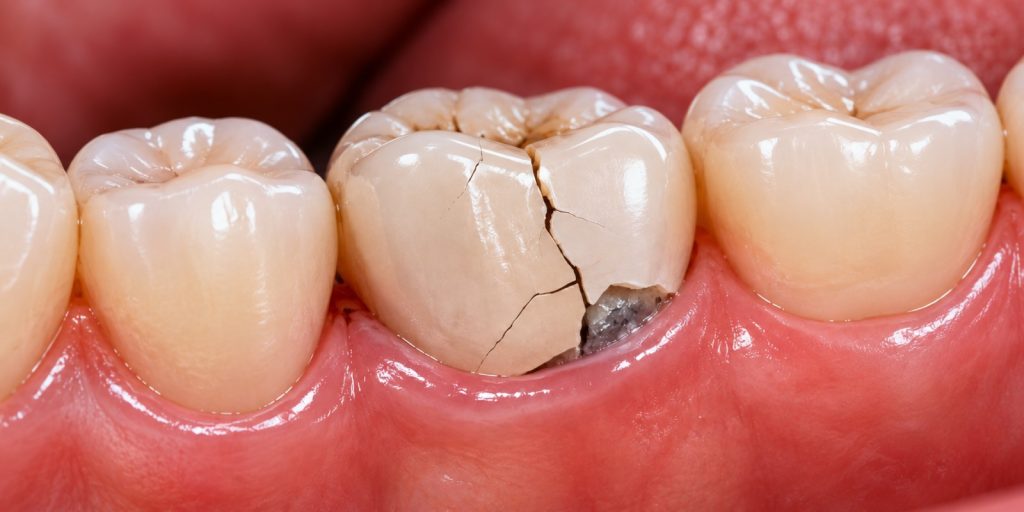
Knowing when to replace a dental crown depends on the condition of the restoration and the natural tooth underneath it. A crown may require replacement when it becomes significantly cracked, broken, repeatedly loose, worn, poorly fitting or unable to protect the remaining tooth adequately.
A dental crown is a fixed restoration placed over a prepared tooth to restore its shape, strength and function. Although crowns are designed for long-term use, they can experience mechanical wear while the natural tooth beneath them remains susceptible to decay, cracks and changes involving the dental pulp.
Not every damaged dental crown needs immediate replacement. A loose crown may sometimes be recemented, while limited surface damage may occasionally be repairable. The important step is identifying why the crown has developed a problem before deciding whether repair or complete replacement is appropriate.
Key Takeaways
Dental crown replacement should generally be based on clinical condition rather than the age of the crown alone.
Important signs and considerations include:
- A crown that is significantly cracked or broken may need replacement.
- Repeated crown looseness can indicate a problem with the restoration or underlying tooth.
- Tooth decay can develop around or underneath a crown.
- Persistent sensitivity or pain may indicate a problem involving the natural tooth.
- Gum recession can expose the crown margin and affect its appearance or maintainability.
- Minor crown damage does not always require complete replacement.
- An old crown that remains functional and clinically satisfactory does not automatically need to be replaced.
- Dental examination can determine whether the crown, tooth or both require treatment.
The condition of the underlying tooth is just as important as the visible condition of the crown.
How Long Should a Dental Crown Last?
A dental crown can remain functional for many years, but there is no universal lifespan that applies to every restoration. Crown longevity depends on the restorative material, remaining tooth structure, oral hygiene, bite, chewing habits and maintenance.
Crowns are continually exposed to chewing forces. Some patients also place additional stress on restorations through teeth grinding or clenching.
At the same time, the natural tooth underneath the crown can change. Decay can develop around the crown margin, the tooth can fracture, or the dental pulp can become inflamed or infected.
For these reasons, a crown should not automatically be replaced simply because it reaches a particular age.
A clinically satisfactory older crown may continue to function, while a newer restoration may require treatment if it develops structural or biological problems.
Regular dental examinations allow the crown and underlying tooth to be evaluated according to their actual condition.
Common Signs Your Crown Needs Replacement
Signs that a dental crown may need replacement include significant structural damage, persistent looseness, changes in fit, decay and symptoms arising from the underlying tooth.
These signs do not confirm that replacement is necessary. They indicate that the restoration should be professionally assessed.
The Dental Crown Is Cracked
A cracked crown should be evaluated because the extent and location of the fracture determine whether repair or replacement is appropriate.
Minor surface defects may have different implications from a crack extending through a substantial part of the restoration.
A significant fracture can weaken the crown and reduce its ability to protect the natural tooth.
Cracks can develop because of accidental dental trauma, biting hard objects, prolonged wear or excessive forces from grinding and clenching.
The crown material can also influence how a fracture presents.
If the damage affects the structural integrity or fit of the restoration, replacement may be required.
The Crown Is Chipped or Broken
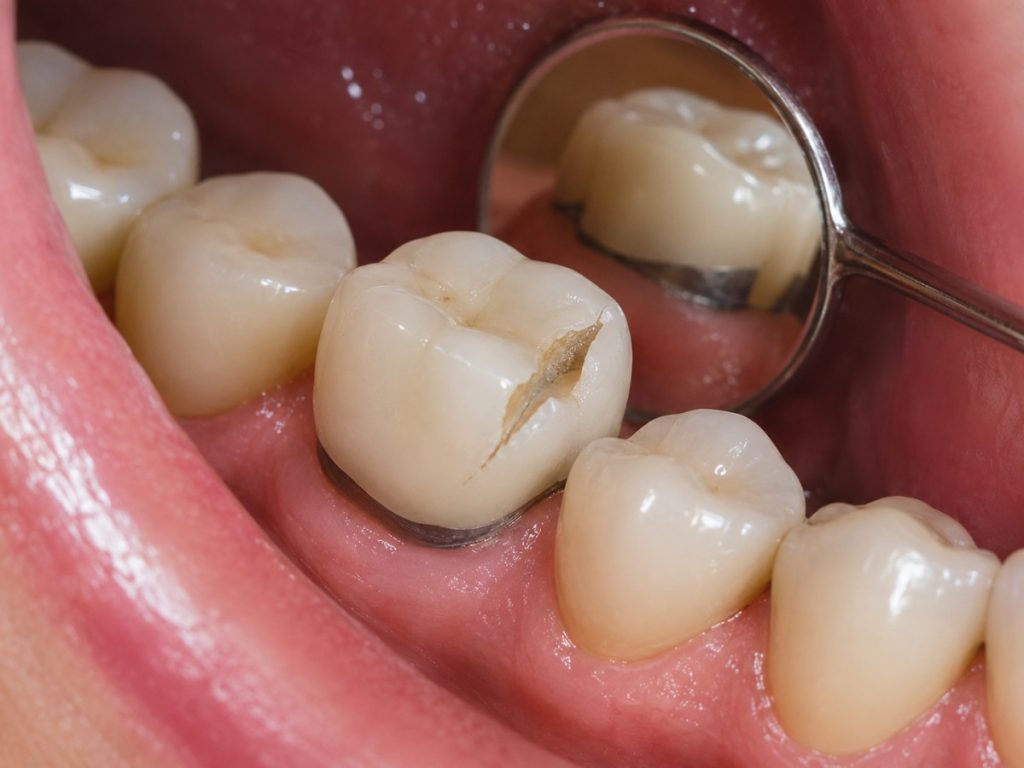
A chipped dental crown does not always require complete replacement. The decision depends on the size of the damaged area, crown material and whether the defect affects function.
A small superficial chip may sometimes be manageable without replacing the entire restoration.
A larger fracture may expose underlying material, affect the bite or leave the crown structurally weakened.
A broken dental crown can also develop sharp edges that irritate the tongue or surrounding soft tissues.
Even when a chip does not cause pain, it should be examined so the extent of the damage can be determined.
The Dental Crown Feels Loose
A loose dental crown requires assessment because the problem may involve the cement, restoration or natural tooth underneath it.
Sometimes a crown loses retention while remaining otherwise intact. If the crown still fits appropriately and the tooth is healthy, recementation may be possible.
However, repeated or significant looseness can indicate another problem.
Possible causes include:
- Loss or deterioration of dental cement
- Tooth decay beneath the crown
- Changes in the underlying tooth structure
- Crown fracture or distortion
- Inadequate remaining tooth structure for retention
The cause needs to be identified before deciding whether the existing crown can be reused.
There Is Tooth Decay Around the Crown
Tooth decay around a crown can require replacement when the affected area extends beneath the restoration or compromises its fit.
The crown itself cannot develop a cavity, but the natural tooth remains susceptible to decay.
One vulnerable area is the crown margin, where the restoration meets the tooth.
Plaque accumulating around this interface can contribute to decay if oral hygiene is inadequate or the area becomes difficult to clean.
When decay extends beneath the crown, removing the restoration may be necessary to determine how much healthy tooth structure remains.
The tooth can then be treated before deciding whether another crown can be placed.
You Have Persistent Tooth Sensitivity
Persistent sensitivity in a crowned tooth may indicate a problem involving the underlying natural tooth rather than the crown material itself.
A tooth with a vital dental pulp can respond to temperature even when it has a crown.
Brief sensitivity does not automatically indicate that the crown has failed. However, symptoms that become stronger, persist after the stimulus is removed or develop spontaneously require assessment.
Possible causes can include decay, a crack, pulp inflammation or another dental condition.
Replacing the crown alone may not resolve symptoms if the underlying dental pulp requires treatment.
Diagnosis should therefore come before restorative replacement.
You Experience Pain When Biting
Pain when biting on a crowned tooth can occur for several reasons, and not all require crown replacement.
The crown may have an abnormal biting contact, or the underlying tooth may have developed a crack or another structural problem.
Inflammation or infection involving the tooth can also cause chewing discomfort.
The pattern of pain can provide useful diagnostic information. For example, discomfort that occurs only when biting in a particular direction may suggest a different problem from constant spontaneous pain.
Because a crown covers much of the natural tooth, clinical examination and dental imaging may be necessary to identify the cause.
The Crown No Longer Fits Properly
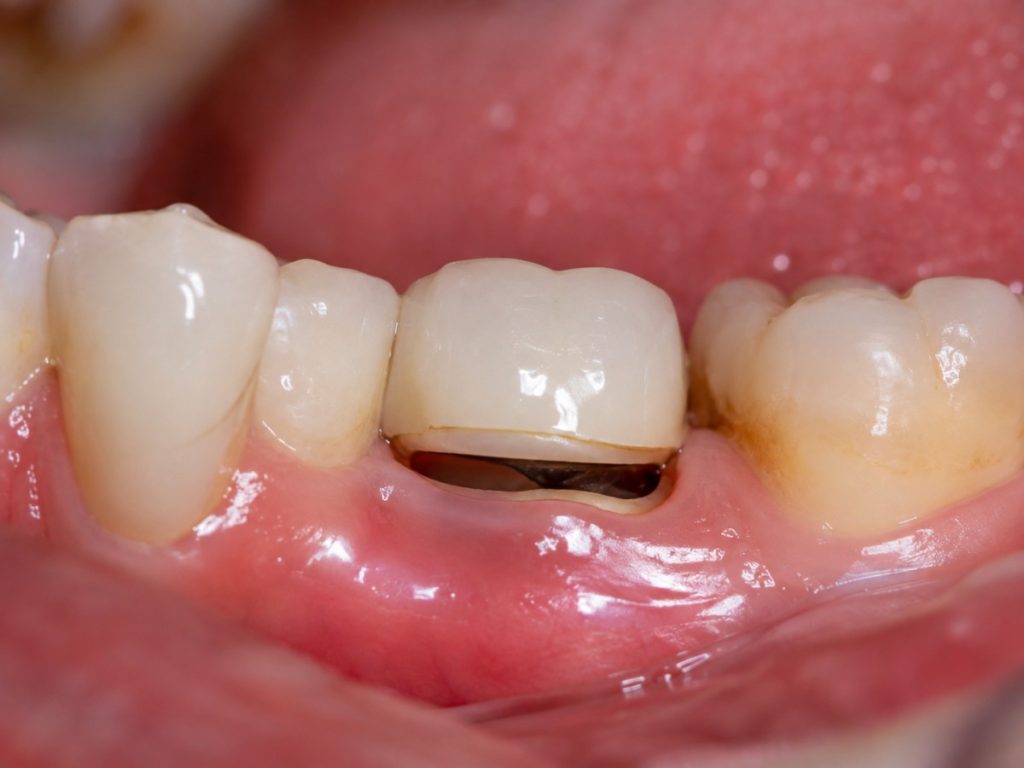
A crown that no longer fits appropriately may need replacement because accurate fit helps protect the prepared tooth and maintain the restoration.
Changes can occur because of crown damage, decay, alteration of the underlying tooth or other dental conditions.
A poorly fitting crown may create areas where food and plaque accumulate more easily.
Patients may notice movement, a change in the way the crown feels or an unusual area around the margin.
Fit cannot always be evaluated accurately by the patient.
A dentist can examine the crown margins, stability and relationship with the surrounding teeth to determine whether the restoration remains serviceable.
The Crown Is Significantly Worn
A worn dental crown may need replacement when loss of restorative material affects its structure, bite or ability to protect the underlying tooth.
Normal function causes some degree of wear over time.
The rate of wear can be greater in patients who grind or clench their teeth or who regularly expose their restorations to excessive biting forces.
Not every worn surface requires replacement.
The dentist considers how much material has been lost and whether the crown continues to provide adequate coverage and function.
If wear is substantial, the bite and other restorations may also need to be assessed rather than treating the crown in isolation.
Gum Recession Has Exposed the Crown Margin
Gum recession can expose the margin of a dental crown or a portion of the natural tooth that was previously covered by gum tissue.
This does not automatically mean that the crown must be replaced.
However, the exposed area can affect appearance, sensitivity and ease of cleaning.
The dentist should determine why the gum has receded and whether the crown remains well fitted.
If the restoration itself is satisfactory, management may focus on maintaining the exposed area and addressing relevant gum-health factors.
Replacement may be considered when the crown margin, decay or other restorative issues make continued use inappropriate.
The Crown’s Appearance Has Changed
Changes in the appearance of a dental crown can occasionally lead to replacement, particularly when there is also a functional or restorative concern.
For example, changes in the surrounding gums can make a crown margin more visible.
Wear, chipping or changes in neighbouring natural teeth may also affect how the crown looks.
Appearance alone does not necessarily indicate that a crown has clinically failed.
Before replacing an otherwise functional crown for aesthetic reasons, the dentist can assess whether replacement would provide a meaningful benefit and whether the natural tooth can safely undergo another restorative procedure.
What Happens If You Delay Treatment?
Delaying treatment for a clinically significant crown problem can allow the underlying condition to progress. The consequences depend on what is causing the problem.
A small surface chip that does not compromise the crown is different from active decay extending beneath the restoration.
If decay progresses, additional natural tooth structure may be lost.
A loose crown can also allow bacteria and debris to enter areas that are difficult to clean effectively.
If the underlying dental pulp becomes irreversibly inflamed or infected, root canal treatment may become necessary when the tooth remains suitable for preservation.
Structural problems can also worsen. A weakened tooth may fracture further under normal chewing forces.
For this reason, persistent symptoms or obvious changes should be evaluated rather than waiting until the crown completely fails.
Does a Crown Need Replacement After Root Canal Treatment?
A crown does not automatically need replacement simply because the tooth undergoes root canal treatment. The decision depends on the condition of the existing restoration and whether it continues to fit and protect the tooth appropriately.
In some cases, root canal treatment can be performed through an existing crown.
An access opening is created through the restoration so the root canal system can be treated.
After treatment, the opening needs to be restored appropriately.
In other situations, the crown may already be damaged, poorly fitting or associated with decay. Replacement may then form part of the overall restorative plan.
The condition of both the crown and remaining tooth structure should therefore be evaluated individually.
Can a Loose Crown Be Recemented Instead of Replaced?
A loose crown can sometimes be recemented when it remains structurally intact, fits the prepared tooth correctly and the underlying tooth is healthy.
Recementation is not appropriate in every case.
If the tooth has developed substantial decay or changed structurally, the old crown may no longer fit properly.
Repeated crown loosening also deserves further investigation.
Simply applying new cement each time without determining why retention keeps failing may provide only a temporary solution.
The dentist should examine both the inside of the crown and the underlying tooth before deciding whether reuse is appropriate.
Repair vs Replacement: How Is the Decision Made?
The choice between repairing and replacing a dental crown depends on whether the existing restoration can continue functioning predictably after the problem is addressed.
Several clinical factors are considered:
| Finding | Repair or Recementation May Be Possible | Replacement May Be Needed |
| Minor surface chip | Sometimes | If damage is extensive |
| Loss of cement | If crown and tooth remain suitable | If fit or tooth structure has changed |
| Significant crown fracture | Less likely | Often considered |
| Decay beneath crown | Limited situations | More likely if crown must be removed |
| Poor crown fit | Usually limited | Often considered |
| Severe crown wear | Limited | May require replacement |
| Healthy underlying tooth | Supports conservative options | Depends on crown condition |
The objective is to preserve healthy tooth structure while providing a restoration that can continue protecting the tooth effectively.
When Should You See a Dentist?
A dental crown should be assessed when there is persistent pain, looseness, visible damage, swelling or a noticeable change in fit.
Prompt assessment is particularly important when symptoms suggest a problem with the natural tooth rather than simply the crown.
Seek dental evaluation if you experience persistent or worsening toothache, swelling of the gums or face, significant pain when biting, prolonged temperature sensitivity or a crown that has become detached.
A crown that falls out should be kept safely and brought to the dental appointment if possible.
Household adhesives should not be used to permanently reattach the restoration.
Professional assessment can determine whether the crown can be recemented, repaired or needs to be replaced.
How Can You Reduce the Risk of Early Crown Replacement?
Dental crown maintenance focuses on protecting the restoration and the remaining natural tooth underneath it.
Regular brushing should clean the crown surfaces and margins where the restoration meets the tooth.
Interdental cleaning helps control plaque between the crowned tooth and its neighbours.
Avoiding unnecessary extreme biting forces can also reduce mechanical damage.
Patients who grind or clench their teeth should have the habit assessed because repeated excessive loading can affect both crowns and natural teeth.
Regular dental examinations allow changes in the crown, tooth and gums to be identified before they become more extensive.
Frequently Asked Questions (FAQs)
How do I know when to replace a dental crown?
A crown may need replacement when it is significantly fractured, repeatedly loose, poorly fitting, severely worn or associated with decay that prevents continued use. A dental examination is needed to confirm whether replacement is necessary.
Does every cracked crown need to be replaced?
No. The treatment depends on the extent and location of the damage. Minor surface defects may sometimes be repairable, while significant structural fractures are more likely to require replacement.
Can a loose crown be put back on?
An intact loose crown can sometimes be recemented if it still fits properly and the underlying tooth remains healthy. The cause of the looseness should be identified before recementation.
Can a tooth decay underneath a crown?
Yes. The natural tooth can develop decay, particularly around the crown margin. If decay extends underneath the restoration, the crown may need to be removed so the tooth can be treated.
Is sensitivity a sign that my crown needs replacing?
Not necessarily. Sensitivity can have several causes involving the crown or underlying tooth. Persistent, worsening or lingering sensitivity should be assessed to determine the cause before deciding on replacement.
Should an old crown be replaced even if it does not hurt?
Not solely because of its age. A crown that remains stable, well fitted and clinically satisfactory may continue functioning. Regular examination is still important because some problems may initially cause few symptoms.
Can a broken crown cause a dental emergency?
A broken crown may require prompt attention if it causes significant pain, exposes vulnerable tooth structure or creates sharp edges. Swelling, severe pain or other signs of infection warrant timely dental assessment.
Knowing When a Crown Has Reached the End of Its Service
Dental crown replacement is usually considered when a restoration can no longer adequately protect the tooth or function predictably. Significant fractures, repeated looseness, extensive wear, poor fit and decay beneath the crown are among the reasons replacement may become necessary.
However, age alone does not determine whether a crown has failed. Minor damage may sometimes be repaired, and an intact loose crown may occasionally be recemented.
The most important consideration is the condition of both the restoration and the natural tooth beneath it. Early assessment of new symptoms or crown changes can help identify whether monitoring, repair, endodontic treatment or replacement is appropriate.
Have Changes in Your Dental Crown Properly Assessed
If your crown has become loose, chipped, painful or noticeably different, book a consultation with Dr. Seah’s Root Canal Clinic. An assessment can examine the restoration and underlying tooth to determine whether the crown can remain in place, be repaired or recemented, or whether dental crown replacement should be considered.