

Dental Crown Replacement at a Glance
| Treatment Aspect | Details |
|---|---|
| Treatment purpose | Replace damaged, worn, loose, or failing dental crowns |
| Suitable for | Patients with existing crowns that require restoration or replacement |
| Common crown materials | Zirconia, porcelain, porcelain-fused-to-metal, metal crowns |
| Treatment duration | Depends on the condition of the existing crown and underlying tooth |
| Average lifespan | Around 5 to 15 years or longer with proper care |
| Main benefits | Restores tooth strength, chewing function, comfort, and appearance |
Dental crown replacement is not simply changing the visible crown. The dentist must first assess whether the natural tooth underneath remains healthy and strong enough to support a new restoration.
What Are Dental Crowns?
A dental crown is a tooth-shaped restoration placed over a damaged or weakened tooth to restore its strength, structure, appearance, and function.
Unlike a filling that repairs only part of a tooth, a crown covers the entire visible portion of the tooth. This provides additional protection for teeth that have lost significant structure.
Dental crowns are commonly used for teeth affected by:
- Extensive tooth decay
- Large fillings that weaken the tooth
- Cracked or fractured teeth
- Severe tooth wear
- Teeth treated with root canal therapy
- Previous crowns that require replacement
A properly fitted dental crown helps restore normal chewing ability while protecting the remaining natural tooth structure. Modern dental crowns are designed to look and feel natural. Dentists consider factors such as tooth colour, shape, bite alignment, and surrounding teeth to create a restoration that blends with your smile.
Why Do Dental Crowns Need Replacement?
Although dental crowns are designed to be durable, they are not permanent. Over time, daily chewing forces, material wear, changes in the supporting tooth, and oral health conditions may affect the performance of a crown.
A dental crown replacement may be recommended when:
- The crown becomes cracked, chipped, or fractured
- The crown feels loose or repeatedly comes off
- Tooth decay develops underneath or around the crown
- The crown no longer fits properly
- The tooth underneath becomes weakened
- The restoration affects your bite
- The crown has become worn or outdated
- The appearance no longer matches surrounding teeth
Replacing a failing crown at the right time can help preserve the natural tooth and prevent more complex dental procedures.
Signs You May Need Dental Crown Replacement
Many dental crown problems develop gradually. Recognising early signs allows patients to seek treatment before the underlying tooth becomes more damaged.
Your Dental Crown Feels Loose
A loose dental crown should be assessed by a dentist as soon as possible.
A crown may become loose due to:
- Breakdown of dental cement
- Tooth decay underneath the crown
- Changes in the supporting tooth structure
- Normal wear over time
- Poor crown fit
A loose crown may allow bacteria to enter underneath the restoration, increasing the risk of tooth damage or infection. Depending on the condition of the crown and tooth, the dentist may recommend re-cementing the existing crown or replacing it with a new restoration.
Your Dental Crown Is Cracked or Damaged
A cracked or broken dental crown may no longer provide complete protection for the tooth underneath.
Crown damage may occur due to:
- Strong biting forces
- Teeth grinding or clenching
- Accidental impact
- Natural material wear
A damaged crown may expose the tooth to sensitivity, bacterial leakage, and further structural problems. A dental examination is needed to determine whether the crown can be repaired or whether complete replacement is required.
You Experience Pain or Sensitivity Around the Crown
Some sensitivity after crown placement may be temporary. However, ongoing discomfort may indicate an issue that requires evaluation.
Possible causes include:
- Tooth decay under the crown
- Nerve irritation
- Gum inflammation
- Bite problems
- Infection affecting the underlying tooth
Persistent pain, swelling, or discomfort when chewing should be assessed by a dentist to determine whether the crown needs adjustment, repair, or replacement.
Your Bite Feels Different After Crown Placement
A properly fitted dental crown should feel natural during biting and chewing.
You may need a crown assessment if:
- Your bite feels uneven
- The crowned tooth feels higher than surrounding teeth
- Chewing becomes uncomfortable
- Pressure develops when biting down
An incorrect bite may place excessive stress on the crown and surrounding teeth, affecting long-term comfort and durability.
Food Gets Trapped Around Your Dental Crown
Food trapping around a dental crown may indicate changes in the crown fit, tooth position, or surrounding gum condition.
Possible causes include:
- Worn crown margins
- Changes in gum level
- Poor contact between teeth
- Crown deterioration
A dentist can evaluate whether the crown remains suitable or whether replacement is required.
Common Reasons Dental Crowns Fail
Dental crowns can last many years with proper care, but several factors may contribute to crown failure. Understanding these causes helps patients maintain their restorations and identify when professional assessment is needed.
Tooth Decay Under an Existing Crown
Although a dental crown protects the visible part of a tooth, decay can still develop around the edges or underneath the restoration.
This may happen due to:
- Plaque buildup around crown margins
- Poor oral hygiene
- Gum recession
- Ageing crown edges
- Leakage around the restoration
When decay develops beneath a crown, the dentist may need to remove the existing restoration, treat the affected tooth, and determine whether a new dental crown can be placed.
Natural Wear Over Time
Dental crowns experience thousands of chewing cycles every day. Over time, the material may show signs of wear.
Common signs include:
- Surface changes
- Small cracks
- Reduced fit
- Changes in appearance
- Reduced chewing comfort
Regular dental check-ups allow early detection before minor issues become more serious.
Weak Tooth Structure Underneath the Crown
A dental crown depends on the remaining natural tooth structure for support.
The crown may become unstable, if the tooth underneath becomes weakened due to:
- Fractures
- Extensive decay
- Previous dental treatment
- Loss of tooth structure
Your dentist will assess whether the tooth can support a replacement crown or whether alternative treatment options should be considered.
Teeth Grinding and Excessive Bite Pressure
Patients who grind or clench their teeth may place additional stress on dental crowns.
Excessive pressure may increase the risk of:
- Crown fractures
- Chipping
- Loosening
- Faster material wear
Patients with teeth grinding habits may benefit from discussing protective options, such as a night guard, with their dentist.
Dental Crown Replacement vs Getting a New Dental Crown
Although both treatments involve placing a dental crown, dental crown replacement and getting a new dental crown are performed for different situations.
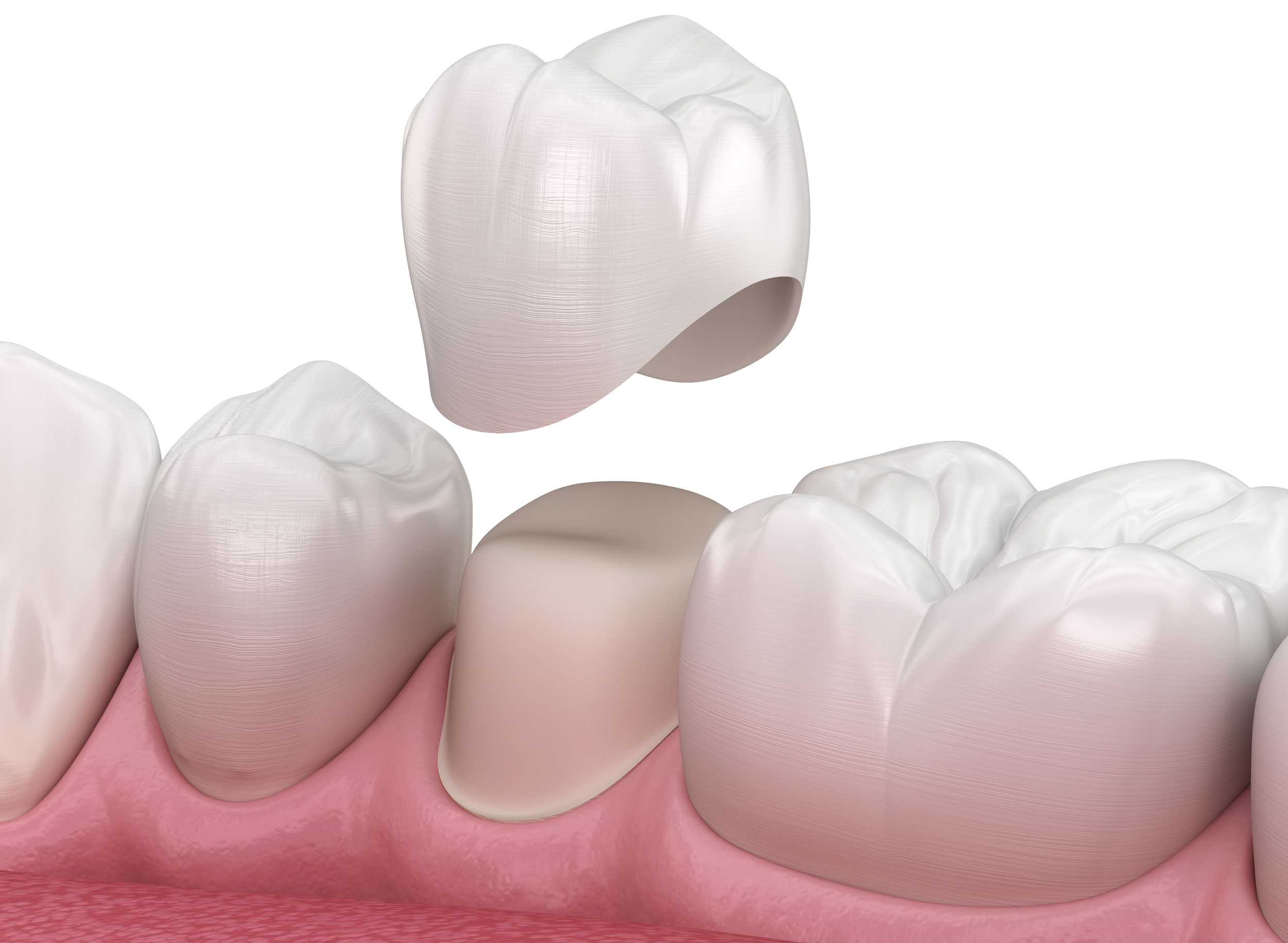
A dental crown replacement involves removing an existing crown and replacing it with a new restoration because the current crown has become damaged, worn, loose, poorly fitted, or no longer provides adequate protection.
A new dental crown is usually placed on a tooth that has never received a crown before, such as after extensive decay, a large filling, tooth fracture, or root canal treatment.
Understanding the difference helps patients know whether their existing crown requires replacement or whether they need a first-time dental crown restoration.
How Dentists Determine Whether a Dental Crown Can Be Replaced
Before replacing a dental crown, dentists assess whether the natural tooth underneath remains healthy and strong enough to support a new restoration. A crown cannot be evaluated based only on its outer appearance because problems may develop underneath the restoration.
During assessment, your dentist may evaluate:
- Remaining tooth structure
- Condition of the tooth root
- Presence of decay
- Signs of infection
- Gum health
- Bite pressure
- Previous dental treatments
- Condition of surrounding teeth
If the tooth remains suitable for restoration, a new dental crown can help restore protection and function. If the tooth cannot support another crown, your dentist may discuss alternative treatment options based on your oral health condition.
Common Dental Crown Problems and Recommended Solutions
Dental crown problems can happen due to wear, damage, changes in the underlying tooth, or issues with the restoration fit. Understanding common problems can help patients recognise when professional assessment is needed.
| Dental Crown Problem | Possible Cause | Recommended Solution |
|---|---|---|
| Loose dental crown | Weak cement, decay underneath, changes in tooth structure | Dental assessment and possible re-cementing or replacement |
| Cracked or broken crown | Strong bite forces, grinding, material wear | Crown repair assessment or replacement |
| Tooth sensitivity | Tooth irritation, decay, exposed areas | Examination to identify the cause |
| Crown does not fit properly | Changes in tooth structure or restoration wear | Adjustment or new crown replacement |
| Gum irritation around crown | Crown margin issues or gum changes | Evaluation and possible correction |
| Crown falls out | Loss of retention, weakened tooth structure | Prompt dental assessment |
A dentist will determine whether the crown can be maintained, repaired, or should be replaced based on the condition of the restoration and the supporting tooth.
Dental Crown Repair vs Dental Crown Replacement
Not every damaged dental crown requires complete replacement. In some situations, repair or adjustment may be possible. However, replacement is usually recommended when the crown no longer provides reliable protection or when problems develop underneath the restoration.
When Can a Dental Crown Be Repaired?
A dental crown repair may be considered when:
- The damage is minor
- The crown remains stable
- The underlying tooth is healthy
- The restoration can continue functioning properly
Minor adjustments may include bite correction or addressing small surface issues depending on the type and condition of the crown. Your dentist will determine whether repair is a suitable long-term option.
When Should a Dental Crown Be Replaced?
Dental crown replacement is usually recommended when:
- The crown is cracked or fractured
- The crown repeatedly becomes loose
- Tooth decay develops underneath the restoration
- The crown no longer fits properly
- The tooth underneath becomes weakened
- The crown affects chewing comfort
- The restoration has reached the end of its functional lifespan
Replacing a failing crown helps protect the natural tooth and reduces the risk of further dental complications.
Can a Dental Crown Be Replaced After Root Canal Treatment?
Yes, a dental crown can be replaced after root canal treatment if the treated tooth remains healthy and structurally suitable.
Root canal treatment removes infected or damaged tissue from inside the tooth while helping preserve the natural tooth structure. After treatment, many teeth require a protective crown to restore strength and reduce the risk of fracture. Patients who require treatment for an infected tooth can learn more about root canal treatment and how it supports long-term tooth preservation.
A replacement crown after root canal treatment helps:
- Strengthen the treated tooth
- Protect against fractures
- Restore chewing function
- Seal and protect the remaining tooth structure
Before replacing the crown, the dentist will evaluate the condition of the root canal treatment, tooth strength, and surrounding tissues to determine the most suitable approach.
What Happens If You Delay Dental Crown Replacement?
Delaying treatment for a damaged or failing dental crown may increase the risk of further problems.
Potential complications include:
- Increased tooth sensitivity
- Tooth decay underneath the crown
- Tooth fracture
- Infection
- Difficulty chewing
- More complex dental treatment
A damaged crown does not always cause immediate severe symptoms. Regular dental assessments can help identify problems before they become more difficult to treat.
How Dentists Assess a Failing Dental Crown
A failing dental crown requires careful evaluation to determine the correct treatment approach. The dentist may assess:
Visual Examination
The dentist checks the crown for visible problems such as: cracks, chips, wear, discolouration, poor margins, and signs of looseness.
Dental X-Rays
X-rays allow dentists to evaluate areas that cannot be seen directly. They help identify: decay underneath the crown, root problems, bone changes, and possible infection.
Bite Assessment
A crown that changes your bite may create discomfort or excessive pressure on the restoration. The dentist evaluates: how your teeth come together, chewing pressure, crown height, and contact with surrounding teeth.
Tooth Structure Evaluation
The success of a replacement crown depends on the condition of the natural tooth underneath. The dentist assesses whether enough healthy tooth structure remains to support a new restoration.
Dental Crown Replacement Procedure in Singapore
Dental crown replacement involves removing the existing restoration, assessing the underlying tooth, preparing the area, and placing a new custom-made crown. The exact process depends on the condition of the current crown and whether additional dental treatment is required.
Initial Consultation and Dental Examination
The first step is a comprehensive examination of the existing crown and supporting tooth. During the consultation, your dentist will evaluate: condition of the existing crown, tooth structure underneath, gum health, bite alignment, and signs of decay or infection. Dental X-rays may be recommended to provide a clearer assessment of the tooth beneath the crown.
Removal of the Existing Dental Crown
The old crown is carefully removed so the dentist can examine the underlying tooth. After removal, the dentist checks for: decay, cracks, tooth weakness, previous restoration issues, and root problems. This step is important because some problems may remain hidden while the crown is still in place.
Tooth Preparation and Additional Treatment
Before placing a new crown, the tooth may require preparation to create a stable foundation. Depending on the condition of the tooth, treatment may include: removing decay, tooth build-up, root canal treatment, or treatment for gum problems. A healthy foundation helps improve the stability and longevity of the replacement crown.
Digital Scan or Dental Impression
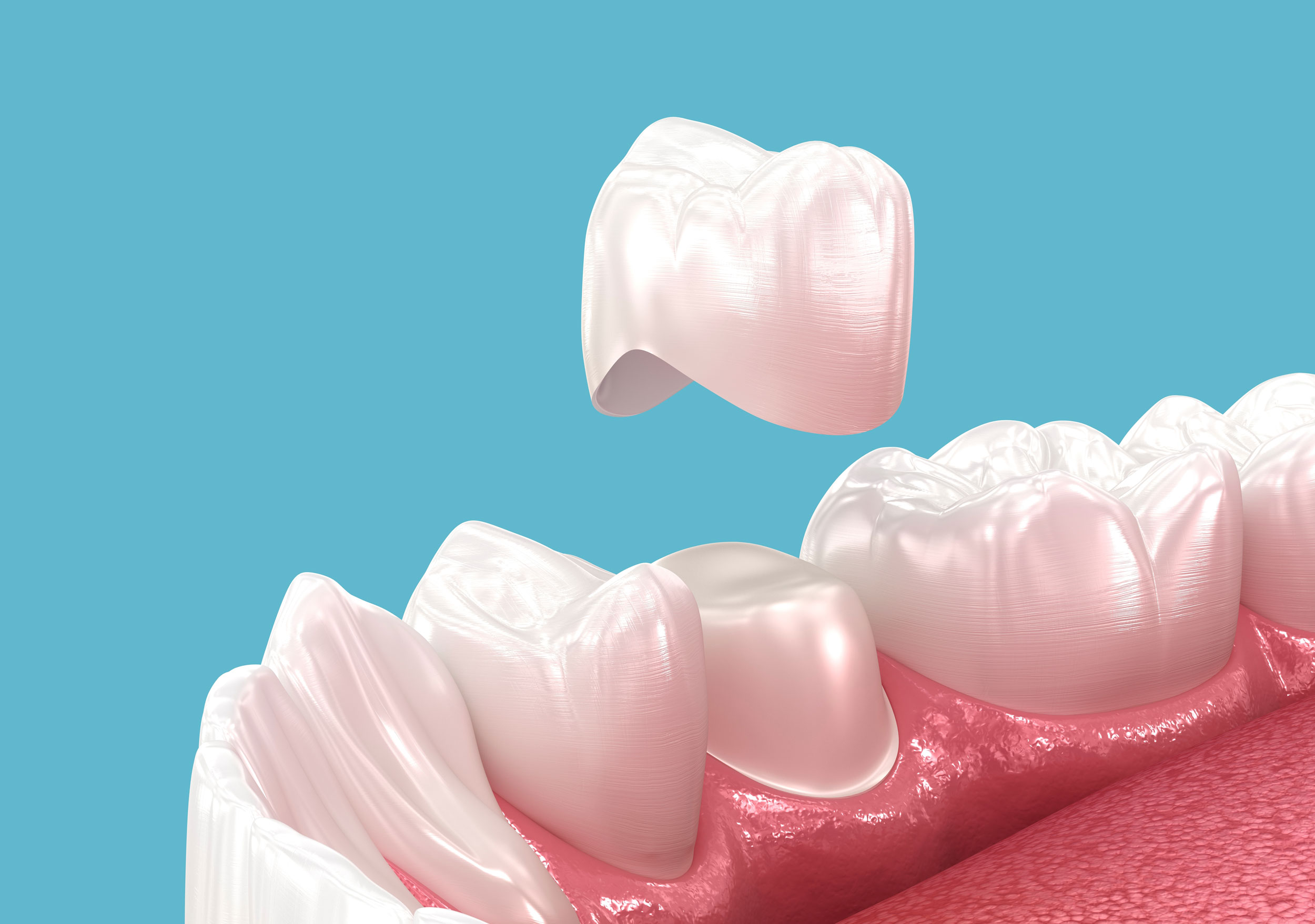
After preparation, the dentist records the shape and position of the tooth. This may involve: digital intraoral scanning, traditional impressions, or bite measurements. These records allow the dental laboratory to create a customised crown that fits comfortably and matches your bite.
Temporary Crown Placement
A temporary crown may be placed while the permanent crown is being fabricated. A temporary crown helps: protect the prepared tooth, reduce sensitivity, maintain appearance, and support basic chewing function.
Permanent Crown Fitting
Once the new crown is ready, the dentist removes the temporary crown and fits the permanent restoration. The dentist checks: crown fit, bite comfort, appearance, tooth colour, and function. Any necessary adjustments are made before the crown is permanently secured.
How Long Does Dental Crown Replacement Take?
The time required for a dental crown replacement depends on the condition of the existing crown, the health of the tooth underneath, the type of crown selected, and whether additional treatments are required.
In many cases, dental crown replacement involves several stages, including removing the old crown, assessing the tooth, preparing the area, creating the new restoration, and completing the final fitting.
A typical dental crown replacement timeline includes:
- Consultation and dental examination
- Removal of the existing crown
- Assessment and treatment of the underlying tooth
- Tooth preparation and digital scanning or impression
- Fabrication of the new dental crown
- Final crown placement and bite adjustment
Some cases may require additional time if the dentist identifies: tooth decay, infection, weak tooth structure, root canal concerns, or gum problems. Your dentist will provide a personalised treatment timeline based on your dental condition.
Dental Crown Replacement Cost Singapore
The dental crown replacement cost in Singapore varies depending on several factors, including the crown material, complexity of the case, condition of the existing tooth, and whether additional treatments are needed. Because every patient has different dental needs, an examination is required before an accurate treatment plan and cost estimate can be provided.
Factors That Affect Dental Crown Replacement Cost
Type of Dental Crown Material: The material selected for your replacement crown affects the overall cost, appearance, durability, and suitability for your tooth. Common materials include zirconia, porcelain, PFM, and metal crowns.
Condition of the Existing Tooth: The condition of the tooth underneath the old crown is one of the most important factors affecting treatment complexity. Cost varies if procedures such as root canal treatment or tooth build-up are required.
Complexity of Crown Replacement: Factors affecting complexity include difficulty removing the existing crown, remaining tooth structure, bite forces, and position of the tooth.
Additional Dental Procedures: Root canal treatments, tooth strengthening, or gum disease treatments may influence the overall cost and treatment timeline.
Dental Crown Materials Available in Singapore
Choosing the right dental crown material depends on several factors, including tooth location, strength requirements, appearance, and long-term dental goals. There is no single “best” dental crown material for every patient. Your dentist will assess your individual condition and recommend a suitable option.
Zirconia Dental Crowns
Zirconia crowns are one of the most commonly selected modern dental crown options because they provide a balance of strength, durability, and aesthetics.
Advantages include:
- High resistance to fracture
- Strong performance under chewing pressure
- Natural tooth-coloured appearance
- Metal-free composition
- Long-term durability
Zirconia crowns may be suitable for both front and back teeth depending on the patient’s bite and restoration needs.
Porcelain Dental Crowns
Porcelain crowns are known for their natural appearance because they closely resemble the colour and translucency of natural teeth. They are often considered when aesthetic results are a priority.
Benefits include:
- Excellent colour matching
- Natural-looking appearance
- Good aesthetic results for visible teeth
The dentist will consider factors such as tooth location and bite pressure before recommending porcelain crowns.
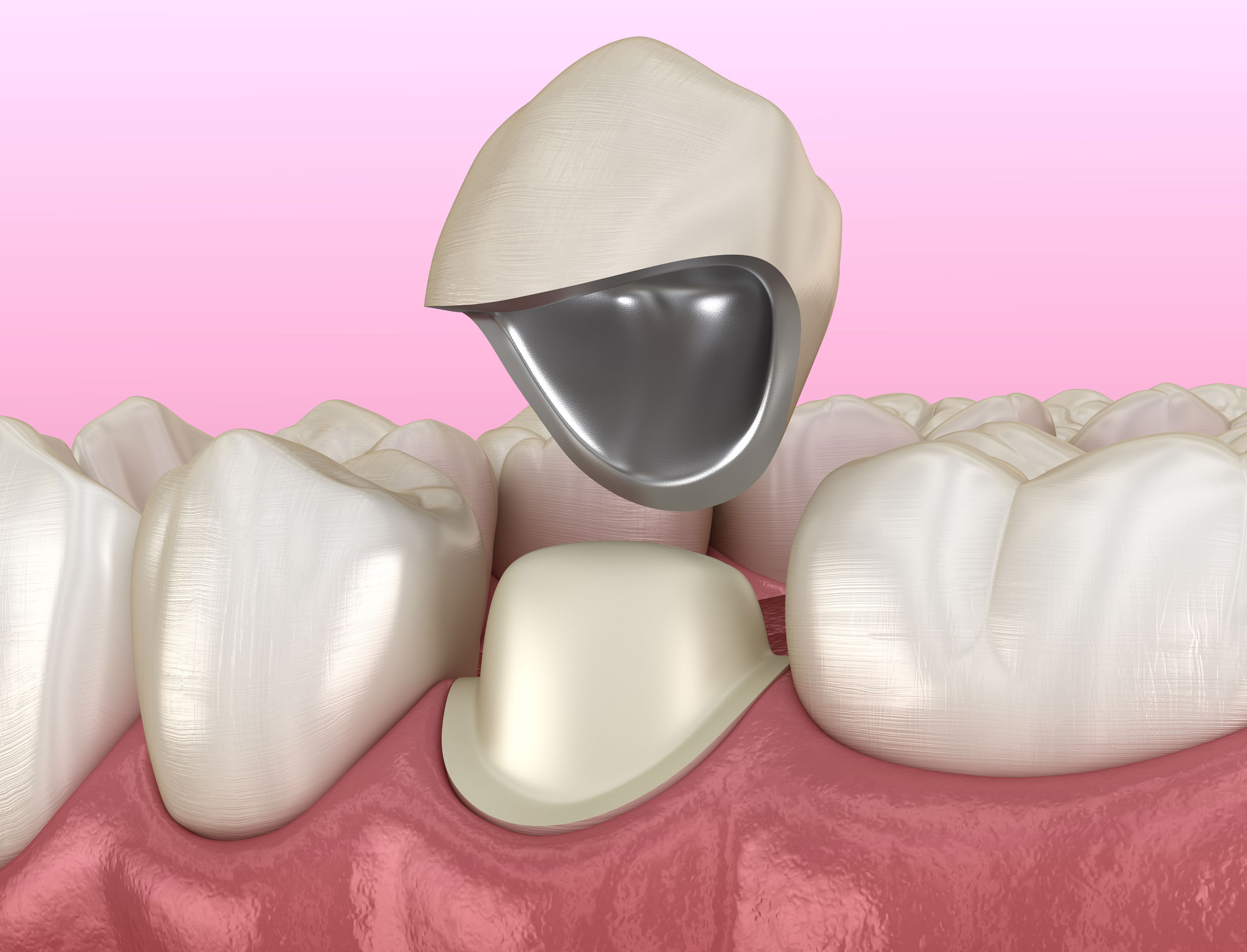
Porcelain-Fused-to-Metal (PFM) Crowns
Porcelain-fused-to-metal crowns combine a strong metal framework with a porcelain outer layer.
They provide a balance between:
- Strength
- Reliability
- Appearance
PFM crowns have been widely used in restorative dentistry and remain a suitable option for many patients requiring durable tooth restoration.
Metal Dental Crowns
Metal crowns are known for their strength and resistance to wear. They are commonly considered for back teeth because these teeth experience higher chewing forces.
Advantages include:
- Excellent durability
- Strong resistance to fracture
- Long service life
The main limitation is their metallic appearance, which makes them less commonly selected for visible front teeth.
Which Dental Crown Material Is Best?
The best dental crown material depends on your specific dental condition rather than one material being suitable for everyone. Your dentist will consider: location of the tooth, amount of remaining tooth structure, bite pressure, smile appearance, existing dental restorations, and long-term treatment goals.
For example: Zirconia crowns may be suitable when strength and durability are important. Porcelain crowns may be preferred when achieving a natural appearance is the main priority. Metal crowns may be considered when increased strength is required for back teeth.
Dental Crown Replacement for Front Teeth
Replacing a crown on a front tooth requires careful planning because these teeth are highly visible when smiling and speaking. A successful front tooth crown should restore both appearance and function.
Dentists consider: tooth colour, crown shape, natural tooth proportions, smile symmetry, gum appearance, and surrounding teeth. Materials such as zirconia and porcelain are commonly considered when aesthetics are important.
Dental Crown Replacement for Back Teeth
Back teeth experience stronger chewing forces compared with front teeth, making durability an important consideration. When replacing crowns on molars and premolars, dentists evaluate: bite pressure, teeth grinding habits, remaining tooth structure, tooth position, and required crown strength.
Dental Crown Replacement vs Dental Implant
Dental crown replacement and dental implants are different treatments designed for different situations. A dental crown replacement is performed when the natural tooth remains present and can still be restored. A dental implant is considered when a tooth cannot be saved and requires replacement with an artificial tooth root and crown.
In general: A dental crown helps preserve and protect an existing tooth. A dental implant replaces a missing tooth when extraction is necessary. Whenever possible, preserving a natural tooth may be considered before moving towards tooth replacement options.
Dental Crown Replacement vs Dental Bridge
Dental crowns and dental bridges serve different purposes. A dental crown restores and protects an existing damaged tooth by covering the remaining tooth structure. A dental bridge replaces one or more missing teeth by using neighbouring teeth or implants as support.
In general: Dental crowns are used when the natural tooth can be preserved. Dental bridges are used when teeth are missing and require replacement.
Dental Crown Replacement Aftercare
Proper aftercare is essential for maintaining the lifespan of a replacement dental crown and protecting the natural tooth underneath. Although dental crowns are made from durable materials, the supporting tooth, gums, and surrounding teeth still require proper care to prevent future issues from occurring.
Maintain Good Oral Hygiene
Keeping the crown area clean helps prevent plaque buildup, gum problems, and tooth decay around the crown margins. Recommended habits include: brushing your teeth at least twice daily, cleaning between teeth regularly, flossing around the crown area carefully, using recommended oral care products, and maintaining healthy gum condition.
Avoid Habits That Damage Dental Crowns
Although dental crowns are designed to withstand normal chewing forces, certain habits may increase the risk of damage. Avoid: biting ice, chewing hard objects, opening packaging with your teeth, excessive nail biting, and using teeth as tools. Patients who grind or clench their teeth may place additional stress on crowns.
Attend Regular Dental Check-Ups
Routine dental visits allow your dentist to monitor: condition of the replacement crown, health of the tooth underneath, gum condition, bite alignment, and signs of wear or damage. Regular reviews allow early detection of potential problems and help maintain the lifespan of your dental crown.
Dental Crown Maintenance Checklist
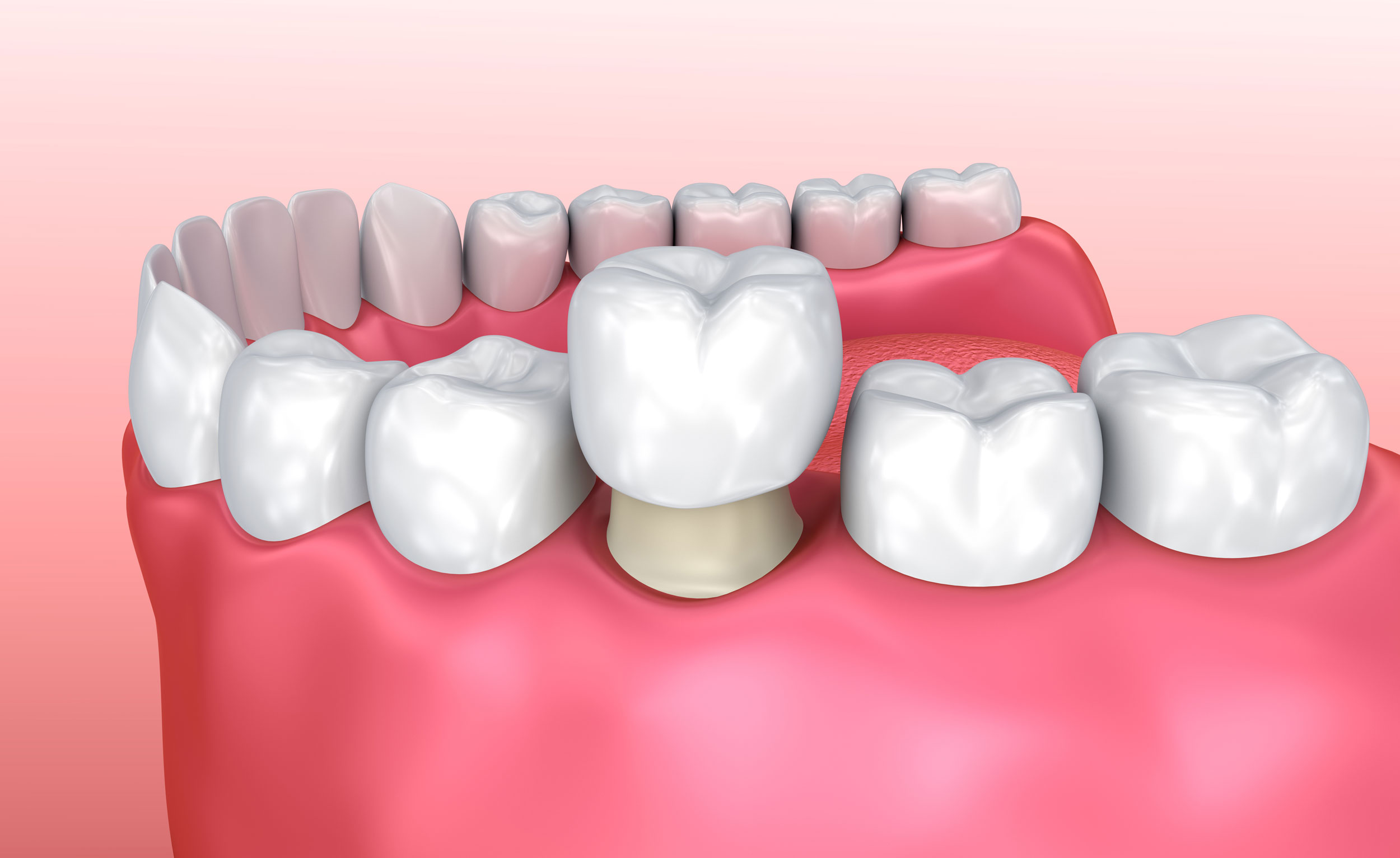
To help extend the lifespan of your dental crown replacement:
- Brush twice daily with proper technique
- Clean between teeth to remove plaque buildup
- Attend routine dental examinations
- Avoid chewing extremely hard foods or objects
- Address teeth grinding if present
- Contact your dentist if the crown feels loose or uncomfortable
- Seek early treatment if sensitivity or pain develops
A dental crown can provide long-lasting protection when supported by good oral hygiene and professional dental care.
How Long Do Dental Crowns Last?
Dental crowns typically last around 5 to 15 years or longer with proper care, although the lifespan varies depending on individual factors.
The durability of a dental crown depends on: crown material, oral hygiene habits, bite pressure, tooth condition, gum health, regular dental maintenance, and teeth grinding habits.
Factors That Affect Dental Crown Lifespan
Quality of Oral Care: Good oral hygiene helps reduce the risk of decay developing around the crown edges. Poor oral care may increase the chance of tooth decay, gum inflammation, and crown complications.
Bite Pressure and Teeth Grinding: Excessive pressure from teeth grinding or clenching can place additional stress on dental crowns. This may increase the risk of cracks, chipping, crown loosening, and faster wear.
Crown Material Selection: Different dental crown materials have different levels of strength, appearance, and wear resistance. Zirconia crowns provide high strength, while porcelain provides excellent aesthetics.
Condition of the Tooth Underneath the Crown: The health of the natural tooth supporting the crown is one of the most important factors affecting long-term success.

Dental Crown Replacement Recovery
Most patients can return to their normal routine shortly after dental crown replacement.
Some temporary sensations may occur as the tooth adjusts, including:
- Mild sensitivity
- Gum tenderness
- Slight awareness of the new crown
- Minor discomfort when biting
These symptoms usually improve as the mouth adapts to the new restoration.
When Should You Contact Your Dentist After Crown Replacement?
You should arrange a dental review if you experience: persistent tooth pain, severe sensitivity, crown movement, difficulty biting normally, swelling around the tooth, or if the crown feels too high when closing your mouth. These symptoms may indicate that the crown requires adjustment or further evaluation.
Frequently Asked Questions (FAQs)
How often should dental crowns be replaced?
Dental crowns do not have a fixed replacement schedule. They are replaced when they become damaged, worn, loose, poorly fitted, or when problems develop underneath the restoration. With proper care and regular dental check-ups, many crowns can last around 5 to 15 years or longer.
How do I know if my dental crown needs replacement?
A dental crown may need replacement if it becomes loose, cracked, painful, worn, or no longer fits comfortably. Other warning signs include sensitivity, changes in your bite, food trapping around the crown, or visible damage. A dental assessment is required to determine whether replacement is necessary.
Cracked teeth can also affect the long-term stability of a dental crown. Depending on the severity and location of the crack, treatment may involve protecting the tooth with a crown or other restorative procedures. Learn more about cracked teeth treatment in Singapore to understand how cracked teeth are diagnosed and managed.
Can an old dental crown be replaced?
Yes, an old dental crown can usually be replaced if the underlying tooth remains healthy and suitable for restoration. The dentist will remove the existing crown, examine the tooth underneath, address any problems, and place a new custom-made crown to restore protection and function.
Can a dental crown be replaced without removing the tooth?
Yes. Dental crown replacement is performed by removing the existing crown while preserving the natural tooth whenever possible. If the tooth underneath remains strong enough, a new crown can be placed to continue protecting the tooth.
How long does dental crown replacement take?
Dental crown replacement usually requires several stages, including removing the old crown, evaluating the tooth underneath, preparing the area, creating the new restoration, and fitting the replacement crown. The timeline depends on whether additional treatment is required.
Is dental crown replacement painful?
Dental crown replacement is generally performed comfortably with local anaesthesia when needed. Patients may experience mild sensitivity or temporary discomfort after treatment while the tooth adjusts. Persistent pain should be assessed by a dentist.
How much does dental crown replacement cost in Singapore?
The cost of a dental crown replacement in Singapore depends on factors such as crown material, treatment complexity, condition of the existing tooth, and whether additional procedures are required. A dental consultation is needed to assess your condition and provide an accurate treatment recommendation.
How much does a zirconia crown cost in Singapore?
The cost of a zirconia crown varies depending on the complexity of treatment, clinic fees, and whether additional procedures are needed. Zirconia crowns are popular because they provide strength, durability, and a natural appearance. Your dentist can advise whether zirconia is suitable for your tooth.
Can a damaged dental crown be repaired?
A damaged dental crown may sometimes be repaired if the issue is minor and the crown remains stable. However, replacement is often recommended when the crown is cracked, repeatedly loose, poorly fitted, or when the underlying tooth has been affected.
Can a Dental Crown Fall Out?
Yes, a dental crown can sometimes become loose or fall out due to problems such as weakened dental cement, decay underneath the crown, changes in the supporting tooth structure, or excessive biting pressure. If your crown falls out, avoid trying to permanently reattach it yourself. Keep the crown safe and arrange a dental appointment as soon as possible. Your dentist will assess whether the existing crown can be re-cemented or whether a new dental crown replacement is required.
What Happens If I Delay Replacing a Damaged Dental Crown?
Delaying dental crown replacement may increase the risk of further damage to the tooth underneath. A damaged or loose crown may allow bacteria to enter around the restoration, potentially leading to: tooth decay, infection, tooth fracture, increased sensitivity, and further complex dental treatment. Early assessment allows your dentist to determine whether the crown can be repaired or whether replacement is the better option.
Is Dental Crown Replacement Worth It?
Dental crown replacement can be a worthwhile treatment when an existing crown no longer provides adequate protection or function. Replacing a failing crown may help: preserve the natural tooth, restore chewing comfort, improve appearance, protect weakened tooth structure, and reduce the risk of further complications. The decision depends on the condition of the tooth underneath and your dentist’s assessment.
Can a Dentist Replace Only the Crown Without Treating the Tooth?
If the tooth underneath the existing crown remains healthy and strong, the dentist may replace only the crown. However, if issues such as decay, infection, cracks, or weakened tooth structure are found, additional treatment may be required before placing a new restoration. A detailed assessment ensures the replacement crown is placed on a stable and healthy foundation.
Can Dental Crowns Be Replaced More Than Once?
Yes, dental crowns can sometimes be replaced more than once if the supporting tooth remains suitable for restoration. However, every replacement requires careful evaluation because some natural tooth structure may be affected during crown removal and preparation. Your dentist will consider the condition of the tooth, previous treatments, and long-term preservation before recommending another crown replacement.
Expert Dental Crown Replacement in Singapore
At Dr. Seah Root Canal + Surgical Implant Clinic, dental crown replacement is planned based on the condition of the tooth, not only the appearance of the existing crown. A successful crown replacement requires accurate assessment of the underlying tooth structure, bite function, and surrounding oral health.
Our approach focuses on:
- Careful diagnosis before treatment
- Preserving natural tooth structure whenever possible
- Selecting suitable crown materials based on individual needs
- Restoring comfort, function, and appearance
- Providing personalised treatment planning
Every dental crown replacement case is different. Our team evaluates each patient’s condition to recommend the most appropriate restoration approach for long-term dental health.
Why Choose Dr. Seah Root Canal + Surgical Implant Clinic for Dental Crown Replacement?
Choosing the right dental clinic for crown replacement involves more than selecting a restoration material. The success of a dental crown depends on proper diagnosis, treatment planning, and attention to the condition of the tooth underneath.
At Dr. Seah Root Canal + Surgical Implant Clinic, patients receive personalised care focused on:
Comprehensive Tooth Assessment: Before replacing a dental crown, our team evaluates the existing restoration and supporting tooth to identify the cause of crown failure and determine a suitable treatment option.
Focus on Tooth Preservation: Whenever possible, treatment is planned to preserve the natural tooth structure and maintain long-term oral function.
Individualised Crown Selection: Different teeth have different requirements. Crown recommendations are based on factors such as tooth location, bite pressure, aesthetic expectations, and overall dental condition.
Long-Term Oral Health Planning: Dental crown replacement is not only about replacing an old restoration. It is about protecting the tooth underneath and reducing future dental complications through proper treatment planning and maintenance.
Visit Our Clinic
Conveniently located at Mount Elizabeth Medical Centre, Dr. Seah Root Canal + Implant Surgical Clinic provides specialist dental and endodontic care for patients seeking personalised treatment in a comfortable, modern clinical environment. From diagnosis to treatment and follow-up care, our team is committed to helping you achieve long-term oral health with evidence-based solutions tailored to your individual needs.
Dr Seah Root Canal + Implant Surgical Clinic
3 Mount Elizabeth
Mount Elizabeth Medical Centre #07-05
Singapore 228510
Root Canal Clinic
Blk 354 Clementi Ave 2
#01-191
Singapore 120354
Book Your Dental Crown Replacement Consultation in Singapore
A damaged, loose, or worn dental crown should not be ignored, as problems underneath the restoration may worsen over time.
At Dr. Seah Root Canal + Surgical Implant Clinic, we provide personalised dental crown replacement solutions to restore damaged crowns, protect natural teeth, and improve oral function.
Whether you need to replace an old dental crown, restore a crown after root canal treatment, or evaluate a failing restoration, our dental team can help determine the most suitable treatment approach.
Contact our clinic today to schedule a dental crown replacement consultation in Singapore and take the next step towards a healthier, stronger smile.
Dr Seah Root Canal + Implant Surgical Clinic
- Address: 3 Mount Elizabeth, #07-05 Mount Elizabeth Medical Centre, Singapore 228510
- Phone: +65 6737 1601
- WhatsApp: +65 9656 5855
Root Canal Clinic (Clementi)
- Address: Blk 354 Clementi Ave 2, #01-191, Singapore 120354
- Phone: +65 6873 5522
- WhatsApp: +65 9656 5855
Book an Appointment Today
Fill out the form below and our team will get back to you shortly to confirm your appointment.
