


A dental crown lifespan varies according to the crown material, condition of the underlying tooth, oral hygiene, biting forces and everyday habits. A well-maintained dental crown can remain functional for many years, but there is no fixed age at which every crown automatically needs replacement.
A dental crown is a fixed restoration placed over a prepared natural tooth to restore its shape, protect weakened tooth structure and support normal function. Although materials such as ceramic and zirconia are designed to tolerate everyday use, the restoration remains exposed to chewing, grinding and other mechanical forces.
The natural tooth underneath the crown also remains important. Tooth decay can develop around crown margins, gum conditions can change and the underlying tooth may develop structural or pulpal problems.
For these reasons, dental crown longevity should be assessed according to the condition of both the restoration and the tooth rather than simply counting the number of years since the crown was fitted.
Key Takeaways
A dental crown does not have a universal replacement schedule because its longevity depends on several biological and mechanical factors.
Important points include:
- Dental crowns commonly remain functional for many years.
- Crown material is only one factor affecting longevity.
- The natural tooth underneath the crown can still develop decay.
- Grinding and clenching can increase mechanical stress on a crown.
- Good oral hygiene helps protect the crown margins and underlying tooth.
- A damaged crown does not always require complete replacement.
- An older crown can remain serviceable if it is stable and clinically satisfactory.
- Regular dental assessment helps determine when crown replacement is actually necessary.
Replacement decisions should therefore be based on clinical findings rather than the crown’s age alone.
Average Lifespan of Different Crown Materials
Different crown materials have different physical properties, but it is not possible to predict exactly how long an individual restoration will last from material alone.
Ceramic, porcelain-based and zirconia crowns are among the restorative options used for different clinical situations. The choice depends on the tooth’s location, remaining structure, appearance requirements, available space and bite.
The crown’s actual service life is also affected by how accurately it fits, the condition of the tooth supporting it and the forces placed on it.
For this reason, a particular crown material should not be selected solely because it is expected to last a certain number of years.
Ceramic Crown Lifespan
Ceramic crowns are tooth-coloured restorations commonly selected when both function and appearance need to be considered. Their lifespan depends on the specific ceramic system and the clinical environment in which the restoration is used.
Ceramic materials can provide natural-looking restorations, but they remain subject to mechanical stress.
Biting hard objects, dental trauma or persistent grinding may increase the risk of chipping or fracture.
The condition of the crown margins also remains important because the natural tooth supporting the ceramic crown can still develop decay.
A ceramic crown that remains intact, appropriately fitted and supported by a healthy tooth does not need replacement solely because it has been present for a certain period.
Porcelain Crown Longevity
Porcelain may be used in different crown designs and can provide a tooth-coloured external surface. Its longevity depends on the restoration’s construction, position in the mouth and forces placed on it.
Porcelain can experience surface wear or chipping over time.
A minor surface defect does not necessarily mean the entire crown has failed. The dentist needs to determine whether the damage is superficial or whether it compromises the structural integrity of the restoration.
The supporting tooth must also remain healthy.
A porcelain crown that appears intact externally may still require treatment if decay develops underneath or around its margins.
Zirconia Crown Lifespan
Zirconia is a restorative material used for dental crowns where its physical properties are suitable for the clinical situation. Like other crown materials, its longevity cannot be determined by material strength alone.
A zirconia crown still depends on the prepared natural tooth for support and retention.
If the underlying tooth develops extensive decay or fractures, the crown may require removal even when the zirconia itself remains undamaged.
Bite, crown fit, oral hygiene and parafunctional habits such as grinding can also affect the overall outcome.
The strongest restorative material cannot compensate for an unhealthy supporting tooth.
Factors That Affect Crown Longevity
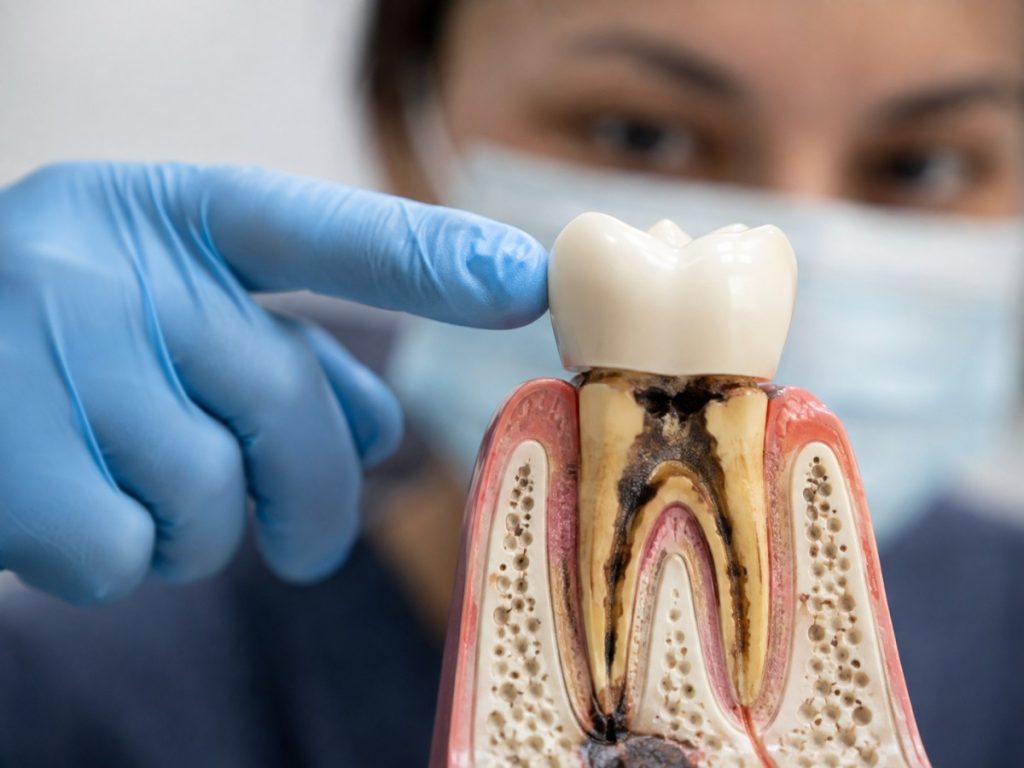
Dental crown longevity is determined by the interaction between the restoration, natural tooth, gums and forces within the mouth.
Some factors can be modified through maintenance, while others relate to the original condition and structure of the tooth.
Condition of the Natural Tooth
The amount and quality of natural tooth structure remaining underneath a crown can influence how well the restoration functions over time.
A tooth that has lost substantial structure because of decay, fracture or previous dental treatment may have different restorative requirements from a tooth with more remaining structure.
The crown depends on the prepared tooth for support and retention.
If the underlying tooth develops a new structural problem, the restoration may become loose or cease to provide adequate protection.
This is why dentists assess both the crown and the supporting tooth when evaluating crown longevity.
Crown Fit and Margins
An appropriately fitting crown should have margins designed to integrate closely with the prepared tooth.
The crown margin is the area where the restoration meets natural tooth structure.
This area is particularly important for oral hygiene because plaque accumulation can contribute to tooth decay and gum inflammation.
Changes in the crown, dental cement or underlying tooth can affect the marginal relationship over time.
A crown that becomes poorly fitting may require treatment even if the visible surface remains intact.
Regular dental examinations can help identify changes that may not be obvious to the patient.
Oral Hygiene
Oral hygiene influences dental crown lifespan because the natural tooth around and underneath the restoration remains susceptible to dental disease.
Brushing removes plaque from accessible crown surfaces and the gumline.
Interdental cleaning helps control plaque between the crowned tooth and neighbouring teeth.
Particular attention should be paid to the crown margin.
A practical daily routine should include:
- Brushing thoroughly at least twice daily.
- Cleaning between the crowned tooth and adjacent teeth.
- Paying attention to the gumline around the restoration.
- Using any additional cleaning aids recommended for individual needs.
The crown itself cannot develop a cavity, but the natural tooth supporting it can.
Tooth Decay Around or Beneath the Crown
Tooth decay is one reason a crown may eventually need replacement even when the restorative material remains relatively intact.
Decay can develop around the margin where natural tooth structure remains exposed.
If it progresses beneath the restoration, the crown may need to be removed so the affected tooth can be properly assessed and treated.
Limited decay does not always mean the tooth cannot be restored again.
However, extensive decay can reduce the amount of healthy structure available to support another crown.
Preventing and identifying decay early can therefore help preserve both the tooth and restoration.
Teeth Grinding and Clenching
Teeth grinding and clenching can shorten crown longevity by repeatedly exposing the restoration to forces beyond those produced during ordinary chewing.
This habit is known as bruxism.
Some people grind during sleep and may not realise they are doing it.
Possible signs can include worn teeth, chipped restorations, jaw muscle discomfort or repeated dental crown damage.
The forces created by bruxism can affect the crown material, dental cement and supporting tooth.
If a crown repeatedly chips, fractures or becomes loose, the patient’s bite and possible grinding habits should be assessed rather than focusing only on replacing the damaged restoration.
Chewing Habits
Normal chewing is expected and dental crowns are designed to function during eating. However, certain habits can create unnecessary concentrated forces.
Regularly chewing ice, biting very hard objects or using teeth to open packaging can increase the risk of damage.
These behaviours can affect both natural teeth and dental restorations.
Patients generally do not need to avoid normal foods simply because they have a crown.
The practical objective is to avoid using the restoration in ways that place unnecessary mechanical stress on it.
Tooth Position
The position of a crowned tooth affects the type and direction of forces placed on the restoration.
Posterior teeth are exposed to substantial chewing loads, while anterior teeth have different functional and aesthetic requirements.
This difference influences crown design and material selection.
A molar crown in a patient who grinds heavily may face different mechanical challenges from a crown placed on a front tooth.
Tooth position should therefore be considered together with bite, restorative material and remaining natural tooth structure when discussing crown longevity.
Dental Trauma
Dental trauma can damage a crown regardless of how long it has been in place.
A fall, sporting injury or other impact can fracture the crown or the natural tooth underneath it.
A crown that appears intact after trauma may still require assessment if the tooth becomes painful, mobile or sensitive.
The dental pulp can also be affected by trauma.
The need for treatment therefore depends on the condition of the entire tooth rather than the visible crown alone.
How to Make Your Crown Last Longer
Making a dental crown last longer primarily involves protecting the supporting tooth and reducing avoidable mechanical stress.
No maintenance routine can guarantee a particular crown lifespan, but several measures can reduce preventable problems.
Maintain Consistent Oral Hygiene

Daily plaque removal helps protect the crown margins, gums and natural teeth.
Brush the restoration as you would your other teeth and clean between the crowned tooth and its neighbours.
Bleeding or persistently inflamed gums around a crown should not simply be ignored.
Avoid Using Teeth as Tools
Dental crowns should be used for normal chewing rather than opening packaging, biting objects or performing other non-food activities.
These habits create concentrated forces that can chip or fracture restorative materials.
Address Grinding or Clenching
Persistent grinding or clenching should be assessed, particularly when there is repeated crown wear or fracture.
Management depends on the individual’s condition and should address the underlying mechanical risk rather than only repairing the damaged crown.
Attend Dental Examinations
Regular examinations allow the dentist to assess the crown margins, supporting tooth, gums and bite.
Dental imaging may sometimes be required when clinically appropriate to evaluate structures that cannot be directly seen.
The frequency of examinations should reflect individual dental needs.
Key Signs It May Be Time for Replacement
A dental crown may need replacement when it can no longer protect the tooth adequately or function predictably.
Age alone is not enough to determine whether replacement is required.
Changes that warrant assessment include:
- Significant cracking or fracture
- Repeated crown looseness
- Persistent pain or sensitivity
- Pain when biting
- Decay around or beneath the crown
- Substantial crown wear
- Changes in fit
- Recurrent gum problems around the restoration
These findings do not automatically confirm that replacement is necessary. They indicate that the crown and underlying tooth should be evaluated.
Does a Chipped Crown Need Replacement?
A chipped crown does not always need complete replacement. The appropriate treatment depends on the size, location and depth of the damaged area.
A small superficial chip may sometimes be smoothed, polished or repaired.
A large fracture affecting the structural integrity of the restoration is more likely to require replacement.
The dentist also checks why the crown chipped.
If excessive biting forces or grinding contributed to the damage, these factors may need to be considered before a new restoration is placed.
Otherwise, the replacement crown may be exposed to the same mechanical problem.
Does a Loose Crown Need Replacement?
A loose crown may sometimes be recemented when the restoration remains intact, fits appropriately and the underlying tooth is healthy.
However, looseness can have several causes.
Dental cement may have lost retention, or the underlying tooth may have developed decay or structural changes.
Repeated looseness is particularly important to investigate.
Recementing the crown without determining why it repeatedly loses retention may provide only a temporary solution.
Replacement becomes more likely when the crown no longer fits correctly or the underlying tooth requires substantial restorative treatment.
Should an Old Crown Be Replaced if It Still Works?
An old dental crown does not necessarily need replacement when it remains stable, functional and clinically satisfactory.
Replacing a restoration also involves additional treatment to the underlying tooth.
For this reason, replacement should generally have a clinical reason rather than being performed solely because the crown has reached a particular age.
The dentist can assess whether the margins remain acceptable, the restoration is structurally sound and the supporting tooth is healthy.
If these conditions are satisfactory, continued monitoring may be appropriate.
Can Root Canal Treatment Affect Crown Lifespan?
Root canal treatment can affect the restorative plan for a crowned tooth, but it does not automatically mean that the existing crown must be replaced.
If a crowned tooth develops irreversible pulp inflammation or infection, root canal treatment may sometimes be performed through an access opening in the existing crown.
The access opening is subsequently restored.
If the existing crown is already damaged, poorly fitting or associated with significant decay, replacement may instead form part of the treatment plan.
The decision depends on both the condition of the crown and the amount of remaining natural tooth structure.
Frequently Asked Questions (FAQs)
How long does a dental crown usually last?
A dental crown can remain functional for many years, but there is no guaranteed lifespan. Crown material, oral hygiene, bite, remaining tooth structure and maintenance all influence longevity.
Which dental crown material lasts the longest?
There is no single crown material that provides the longest lifespan in every situation. Ceramic, porcelain-based and zirconia crowns have different properties, and the appropriate material depends on the tooth and clinical requirements.
Can a dental crown last for decades?
Some crowns can remain functional for an extended period when the restoration and supporting tooth remain healthy. However, a specific lifespan cannot be guaranteed because oral conditions and restorations change over time.
How do I know if my crown is wearing out?
Signs can include substantial wear, chipping, cracking, looseness or changes in the way the crown feels during biting. A dental examination can determine whether monitoring, repair or replacement is appropriate.
Can a crown develop a cavity?
The artificial crown cannot develop tooth decay, but the natural tooth underneath it can. Decay often begins around areas where the crown margin meets natural tooth structure.
Do crowns need to be replaced every 10 years?
Not automatically. There is no universal rule requiring every dental crown to be replaced after a specific number of years. The condition of the restoration and underlying tooth should guide the decision.
Can good oral hygiene extend crown lifespan?
Good oral hygiene can help protect the natural tooth and gums around a crown, reducing preventable complications such as decay and gum inflammation. It cannot prevent every form of crown wear or damage.
Crown Age Matters Less Than Crown Condition
Dental crown lifespan cannot be reduced to a single number because the restoration functions together with a living natural tooth, surrounding gums and the patient’s bite. Crown material contributes to durability, but oral hygiene, decay risk, grinding, chewing habits and remaining tooth structure can be equally important.
A crown that has been present for many years does not necessarily need replacement if it remains stable, well fitted and clinically satisfactory. Conversely, a newer crown may require treatment if it develops significant damage or the underlying tooth becomes compromised.
Maintaining the crown margins, protecting the restoration from unnecessary forces and attending appropriate dental assessments can help preserve the crown and the natural tooth it protects.
Check the Condition of Your Crown Before Considering Replacement
If your dental crown has been in place for several years or you have noticed wear, looseness, sensitivity or other changes, book a consultation with Dr. Seah’s Root Canal Clinic. An assessment can evaluate the crown and underlying tooth to determine whether it remains suitable for continued use or whether repair or crown replacement should be considered.
