


The wisdom tooth recovery timeline varies according to whether the tooth was removed through a simple extraction or surgical procedure, how difficult the extraction was and how an individual heals. Most people experience some pain and swelling after wisdom tooth removal, with symptoms generally beginning to improve after the first few days.
Wisdom tooth recovery is not completed as soon as pain disappears. The gums, extraction socket and deeper tissues continue healing after the initial discomfort has settled. A blood clot forms over the extraction site soon after treatment and plays an important role in protecting the area during early healing.
Knowing what is normally expected during healing after wisdom tooth extraction can make it easier to recognise when recovery is progressing appropriately and when symptoms should be reviewed by a dentist.
Key Takeaways
Wisdom tooth recovery usually progresses gradually rather than following exactly the same schedule for every patient.
Important points include:
- Pain and swelling are common after wisdom tooth removal.
- Swelling commonly develops during the first 48 hours and may be most noticeable during the second or third day.
- Symptoms should generally begin improving rather than continuing to worsen.
- A blood clot forms within the extraction socket and should be protected during early healing.
- Jaw stiffness and temporary difficulty chewing can occur.
- Dissolvable stitches may be used after surgical extraction.
- Dry socket commonly causes increasing or severe pain a few days after extraction rather than gradual improvement.
- Full healing of the extraction site takes longer than the initial period of pain and swelling.
- Recovery can take longer after difficult or multiple wisdom tooth extractions.
The treating dentist’s individual post-operative instructions should take priority because procedural complexity differs between patients.
What Happens Immediately After Wisdom Tooth Removal?
Immediately after wisdom tooth removal, the body’s healing process begins by forming a blood clot within the extraction socket. This clot helps protect the underlying tissues and supports early wound healing.
Some bleeding or oozing is expected shortly after extraction. The dentist may ask the patient to bite on gauze to apply controlled pressure to the area. The goal is to encourage stable clot formation rather than repeatedly disturbing the socket.
The mouth may remain numb for several hours because of local anaesthesia. Patients should take care not to accidentally bite their lips, cheeks or tongue until normal sensation returns. You may feel some discomfort as the anaesthetic wears off.
Wisdom Tooth Recovery Timeline by Day and Week
This is a rough timeline of a wisdom tooth recovery as the healing process may vary based on the individual and difficulty of surgery. It can be divided into these stages.
First 24 Hours: Blood Clot Formation and Early Healing
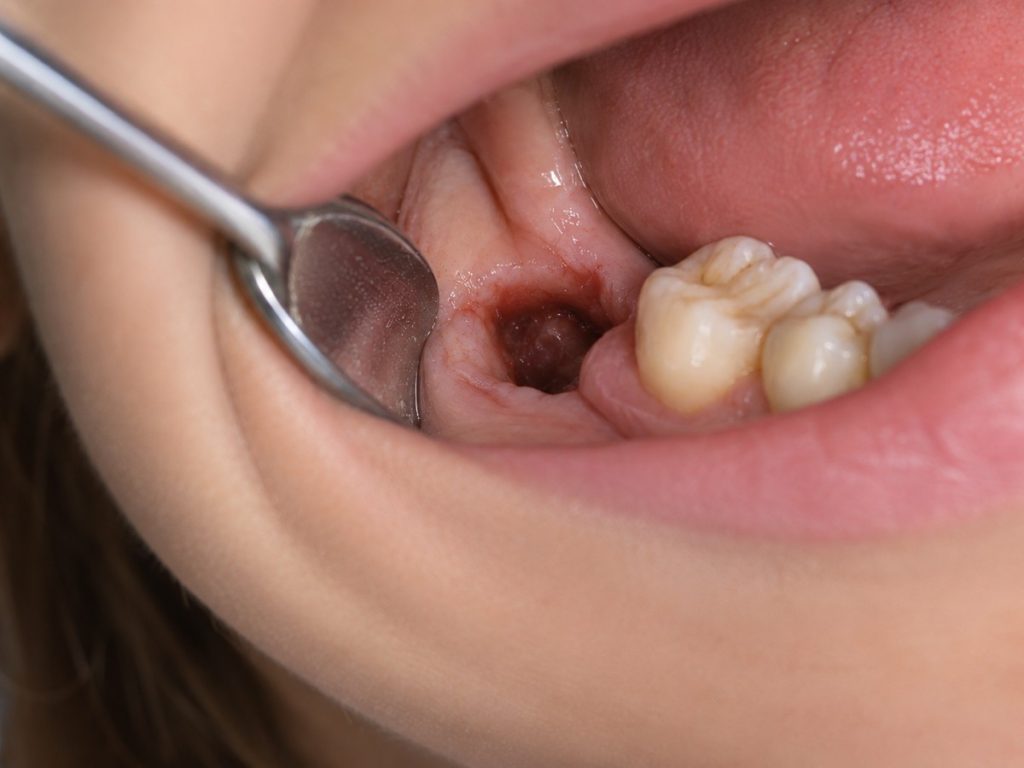
The first 24 hours focus on stabilising the extraction site and protecting the newly formed blood clot. Mild bleeding, soreness and swelling can occur.
The socket should be disturbed as little as possible during this early period. Patients are generally advised to follow the specific instructions provided by the treating clinician regarding rinsing, oral hygiene, food and medication.
Soft foods are usually easier to manage while the mouth remains tender. Rest can also help during the immediate post-operative period. Strenuous physical activity may increase bleeding or discomfort, so patients should follow their dentist’s advice regarding returning to exercise.
Day 2 to Day 3: Swelling May Be More Noticeable
Swelling can become more noticeable during the second and third days following wisdom tooth surgery. Swelling commonly develops during the first 48 hours and can be at its worst around the second or third day before gradually improving.
This does not automatically mean infection is present. Some facial bruising, jaw soreness or stiffness can also occur, particularly after surgical extraction.
Chewing may remain uncomfortable. Pain should be manageable using the treatment and medication instructions provided by the dentist. A gradual overall improvement should begin after this early peak period.
Day 3 to Day 5: Symptoms Should Start Settling
By the third to fifth day, pain and swelling should generally begin becoming easier to manage rather than progressively worsening. Many patients can gradually expand their diet as comfort improves.
The extraction area may still feel tender, and jaw movement can remain somewhat restricted. This period is also when dry socket can become apparent.
Dry socket usually causes severe or increasing throbbing pain a few days after extraction, commonly around days three to five. Bad taste or bad breath may also occur.
Pain that suddenly becomes substantially worse after initially improving should therefore be assessed.
Days 5 to 7: Returning Towards Normal Activities
Many people experience substantial improvement during the first week following wisdom tooth removal. Swelling and jaw stiffness should normally be decreasing.
Patients can often resume more normal eating and daily activities according to comfort and the advice provided by their clinician. The surgical area still needs protection.
Food can become trapped around the extraction socket, so appropriate cleaning and oral hygiene remain important. Patients should avoid aggressively probing the socket with fingers, toothpicks or other objects.
Week 1 to Week 2: Soft Tissue Continues to Heal
During the second week, pain and swelling are usually considerably reduced.
However, you may still feel some soreness, swelling, bruising and jaw stiffness up to two weeks after wisdom tooth removal, although symptoms do gradually improve.
The gum tissue begins closing over the extraction area. If dissolvable stitches were used, they may loosen or disappear naturally according to the material used and healing progress. The NHS states that stitches used after wisdom tooth removal can dissolve by themselves.
Patients should continue following oral hygiene instructions while the socket remains open. The absence of pain does not mean that deeper healing has completely finished.
After Two Weeks: Deeper Healing Continues
After the initial recovery period, deeper tissues and bone continue healing even when the mouth feels largely normal. The extraction socket gradually fills and remodels over time. This deeper healing takes longer than the period of visible gum recovery.
Patients generally do not notice every stage of this process. If healing is uncomplicated, treatment usually focuses on maintaining oral hygiene and attending follow-up when advised.
An extraction socket can take longer to heal when complications such as dry socket or infection occur.
What Is Normal During Wisdom Tooth Recovery?
Normal wisdom tooth recovery can include temporary pain, swelling, mild bruising, jaw stiffness and difficulty chewing. The important feature is that these symptoms generally follow a pattern of gradual improvement.
Pain and Tenderness
Pain is expected after a tooth has been removed because the gums, periodontal tissues and sometimes bone have undergone treatment. The amount of discomfort depends partly on how difficult the extraction was.
Simple removal may produce relatively mild symptoms, while surgical extraction of an impacted wisdom tooth may cause greater soreness. Pain should generally become easier to manage over time.
Swelling
Swelling is part of the normal inflammatory response to surgery. It may become more noticeable during the first two to three days before gradually decreasing.
Swelling alone does not necessarily indicate infection. The concern is greater when swelling continues increasing beyond the expected period or is accompanied by significant systemic symptoms.
Jaw Stiffness
Jaw stiffness can occur after wisdom tooth surgery because tissues and muscles around the back of the mouth have been affected. Patients may temporarily find it difficult to open their mouth fully.
This generally improves as inflammation settles. Persistent or worsening limitations should be discussed with the treating clinician.
Bruising
Bruising around the cheek or jaw can occur after wisdom tooth removal. It may become more visible during the days following surgery before fading. Bruising without other concerning symptoms is generally part of normal recovery.
What Are Signs of Healthy Healing?
Signs of healthy healing include gradual reduction in pain and swelling, controlled bleeding and increasing ability to eat and open the mouth comfortably.
The socket itself can look unusual while healing. Patients should not assume that every colour or surface appearance within the extraction site represents infection.
The most useful signs are how symptoms change over time:
- Pain becomes less intense over successive days.
- Swelling peaking early and then decreasing.
- No uncontrolled bleeding.
- Increasing comfort when eating and speaking.
- No new or rapidly worsening facial swelling.
- No sudden severe return of pain after initial improvement.
The absence of symptoms does not necessarily mean the socket has completely closed, because deeper tissue healing continues for longer.
How Long Does Swelling Last?

Swelling after wisdom tooth surgery commonly begins during the first day and becomes most noticeable within roughly 48 to 72 hours. This can vary for each indvidual.
Surgical removal of a deeply impacted lower wisdom tooth can result in more swelling than a straightforward erupted tooth extraction. Cold compresses may sometimes be recommended during the early recovery period. AAOMS patient guidance notes that cold compresses may help reduce post-surgical swelling.
Patients should follow their clinician’s instructions because aftercare recommendations can differ according to the procedure.
How Long Does Pain Last?
Pain after wisdom tooth removal varies with procedural complexity and individual pain response.
Discomfort is usually most significant during early recovery and should progressively improve. Persistent pain alone does not automatically mean something is wrong, particularly after difficult surgery.
However, pain that becomes suddenly more severe several days after extraction deserves assessment. Dry socket is one possible explanation for severe pain that develops or worsens around two to five days after tooth removal.
Pain accompanied by increasing swelling, fever or other concerning symptoms may indicate a different complication.
What Happens to the Stitches?
Stitches may be used after surgical wisdom tooth removal to help reposition and stabilise the gum tissue. Some stitches are dissolvable and disappear without needing removal.
The NHS notes that stitches used after wisdom tooth extraction may dissolve by themselves. Other types may require removal during a follow-up appointment.
Patients should avoid repeatedly pulling or touching stitches with their tongue or fingers. A stitch becoming loose does not automatically indicate a problem, but the clinic should be contacted if the wound opens significantly, bleeding resumes or there is another concern.
What Is a Dry Socket?
Dry socket, also called alveolar osteitis, is a painful complication that can develop when the protective blood clot within the extraction socket is lost or fails to remain stable.
Without the normal clot, underlying tissues become exposed. The condition commonly develops several days after tooth extraction rather than immediately.
Symptoms can include intense throbbing pain, unpleasant taste and bad breath. Dry socket is not simply normal post-operative soreness. Patients who experience substantial worsening of pain after initial improvement should contact their dentist for assessment.
How Can You Protect the Extraction Site?
Protecting the extraction site helps support normal clot formation and healing. The aftercare instructions provided by the treating dentist should be followed closely.
General principles include avoiding unnecessary disturbance to the wound, maintaining appropriate oral hygiene and gradually returning to normal eating.
Smoking is associated with an increased risk of dry socket and delayed healing. Therefore, it is advisable to avoid smoking around the period of wisdom tooth removal.
Patients should also avoid repeatedly touching the socket or attempting to remove material from it manually.
Eating During Wisdom Tooth Recovery
Eating should progress according to comfort and the stage of healing. Immediately after surgery, softer foods are generally easier to manage.
Foods requiring heavy chewing may increase discomfort during the early recovery period. As soreness decreases, patients can gradually return to more normal foods. Adequate hydration and nutrition remain important while the mouth heals.
Oral Hygiene During Recovery
Oral hygiene remains important after wisdom tooth removal because the rest of the mouth still needs routine plaque control.
However, the fresh surgical site requires gentler care. Patients should follow their dentist’s instructions about when and how to clean around the extraction area.
Brushing other teeth can generally continue while avoiding unnecessary trauma to the socket. As healing progresses, appropriate cleaning around the area can reduce food accumulation.
Aggressive rinsing or direct manipulation of a fresh extraction socket can interfere with clot stability during the earliest healing period.
When Can You Return to Work or Normal Activities?
Return to work or normal activities depends on the complexity of the extraction, the type of work and how the patient feels. A straightforward extraction may allow a relatively quick return to ordinary activities.
More difficult surgical removal can require additional recovery time because of swelling, discomfort and jaw stiffness. Patients whose work involves substantial physical exertion may need to consider a longer period before resuming full activity.
When to Contact Your Dentist
Contact the dentist when recovery does not follow the expected pattern of gradual improvement. A review may be necessary if pain becomes severe or suddenly increases, swelling progressively worsens or bleeding does not settle.
Reasons to contact the clinic include:
- Severe pain that develops or intensifies several days after extraction.
- Persistent or increasing facial swelling.
- Bleeding that remains difficult to control.
- An unpleasant taste associated with significant worsening pain.
- Fever or feeling increasingly unwell.
- Concerns about the wound or stitches.
- Symptoms specifically identified as concerning by the treating dentist.
Dry socket commonly presents with increasing pain a few days after treatment and requires professional management.
When Should You Seek Emergency Medical Care?
Most wisdom tooth recovery concerns can be evaluated by a dentist, but certain symptoms require emergency medical attention. Seek urgent medical care if swelling affects breathing or swallowing or if another serious systemic complication is suspected.
Rapidly increasing facial or neck swelling should not be managed solely by waiting for a routine dental review. Severe uncontrolled bleeding also requires urgent attention.
These symptoms are uncommon but should be recognised because they go beyond normal post-operative recovery.
Factors That Can Affect Recovery Time
Wisdom tooth recovery can take longer when the extraction is more complex or when other individual factors affect healing. A deeply impacted wisdom tooth requiring bone removal and tooth sectioning generally involves more surgical trauma than a straightforward extraction.
Removing several wisdom teeth during the same procedure can also influence overall discomfort. Other factors can include smoking, oral hygiene, medical conditions and how closely post-operative instructions are followed.
The recovery timeline should therefore be treated as a general guide rather than an exact schedule.
Frequently Asked Questions
How long does wisdom tooth recovery take?
Many patients experience substantial improvement within the first week, although soreness, swelling or jaw stiffness can persist for up to two weeks. Deeper healing of the extraction socket continues beyond this initial period.
Which day is usually the worst after wisdom tooth surgery?
Swelling commonly becomes most noticeable around the second or third day after surgery. Symptoms should then begin gradually improving.
Is swelling normal after wisdom tooth removal?
Yes. Swelling is a normal part of the healing response and commonly appears within the first 48 hours. It should gradually improve rather than continue becoming progressively worse.
How do I know whether my wisdom tooth extraction is healing properly?
Healthy healing generally involves decreasing pain and swelling, controlled bleeding and gradually improving ability to eat and open the mouth. The socket itself may remain visible while deeper healing continues.
When can I eat normally after wisdom tooth removal?
Diet can gradually return towards normal as discomfort and chewing ability improve. Patients should follow the specific instructions given by their dentist and avoid unnecessarily stressing the surgical site during early healing.
How do I know if I have a dry socket?
Dry socket typically causes severe or worsening throbbing pain a few days after extraction and may be accompanied by bad taste or bad breath. It requires dental assessment.
Do wisdom tooth stitches need to be removed?
Some stitches dissolve on their own, while others may require removal. The type used should be explained by the treating clinician.
Is it normal to still have a hole after one week?
Yes. The extraction socket can remain visible after initial pain and swelling have improved because deeper gum and bone healing takes longer than the early recovery period.
Recovery Is a Gradual Healing Process
The wisdom tooth recovery timeline usually involves an initial period of bleeding and clot formation, followed by several days of swelling, soreness and gradual improvement. Swelling commonly becomes more noticeable around days two and three, while many patients experience substantial improvement over the following week.
Healing after wisdom tooth extraction continues beyond the point when the mouth feels comfortable. Gum tissue and the underlying extraction socket need additional time to recover.
The most important pattern is progressive improvement. Severe pain that suddenly develops or worsens several days after surgery, persistent bleeding or increasing swelling should be professionally reviewed rather than treated as normal recovery.
Check That Your Wisdom Tooth Recovery Is Progressing Normally
If you are planning wisdom tooth removal or have concerns about pain, swelling or healing after an extraction, contact Dr Seah’s Root Canal Clinic. A dental assessment can determine whether recovery is progressing normally or whether additional treatment or follow-up care is needed.
