
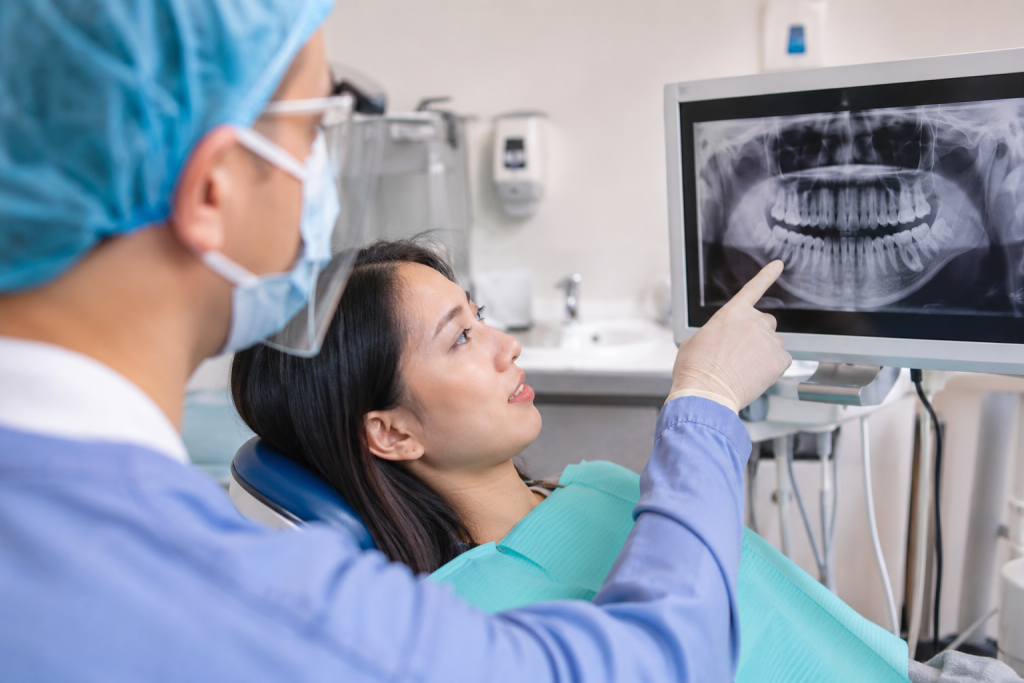
Wisdom tooth removal is one of the most commonly performed dental procedures in Singapore. While some wisdom teeth erupt normally and remain problem-free, others become impacted, infected, or difficult to clean, leading to pain and potential damage to surrounding teeth.
If you are considering wisdom tooth removal in Singapore, understanding when extraction is necessary, what the procedure involves, and how to recover properly can help you make informed decisions about your oral health.
This comprehensive guide explains everything you need to know about wisdom tooth extraction, including symptoms, treatment options, recovery timelines, potential risks, Medisave eligibility, and when emergency wisdom tooth extraction may be required.
What Is Wisdom Tooth Removal?
Wisdom tooth removal is a dental procedure performed to extract one or more wisdom teeth, also known as third molars. Dentists may recommend wisdom tooth removal when these teeth become impacted, cause pain, contribute to infection, damage neighbouring teeth, or create difficulties with oral hygiene.
In Singapore, wisdom tooth removal may involve either a simple extraction or surgical removal, depending on the position and condition of the tooth.
Most patients recover within 7 to 10 days, although complete healing of the gums and jawbone may take several weeks.
Key Takeaways
- Wisdom tooth removal is commonly recommended when wisdom teeth become impacted, infected, painful, or difficult to clean.
- Not all wisdom teeth require extraction. Some can be safely monitored through regular dental examinations.
- Recovery from wisdom tooth removal in Singapore typically takes between 7 and 10 days.
- Surgical extraction may be required for impacted wisdom teeth located beneath the gums or jawbone.
- Certain surgical wisdom tooth procedures may qualify for Medisave claims.
- Early assessment can help prevent future complications and emergency treatment.
Understanding Wisdom Teeth
Wisdom teeth are the final set of permanent molars to develop. They usually emerge between the ages of 17 and 25 and are located at the very back of the mouth.
Historically, wisdom teeth helped our ancestors chew tougher diets. Today, however, many people have smaller jaw structures, resulting in insufficient space for wisdom teeth to erupt properly.
As a result, wisdom teeth frequently become:
- Fully impacted beneath the gums
- Partially erupted through the gums
- Angled towards adjacent teeth
- Trapped within the jawbone
- Difficult to clean properly
These conditions can increase the risk of infection, tooth decay, gum disease, and other dental complications.
Why Wisdom Tooth Removal in Singapore Is Often Recommended
Not every wisdom tooth needs to be removed. However, dentists may recommend extraction when the tooth is causing current problems or is likely to create future complications.
Common reasons include:
Impacted Wisdom Teeth
An impacted wisdom tooth is unable to erupt fully because there is insufficient space in the jaw.
Impacted wisdom teeth may:
- Cause pain and discomfort
- Increase infection risk
- Damage neighbouring teeth
- Lead to cyst formation
- Contribute to gum disease
Recurrent Gum Infections
Partially erupted wisdom teeth often create pockets where food debris and bacteria accumulate.
This can result in a condition known as pericoronitis, which causes:
- Gum swelling
- Pain
- Difficulty chewing
- Bad breath
- Recurrent infections
Damage to Adjacent Teeth
An impacted wisdom tooth may press against the neighbouring second molar.
Over time, this pressure may contribute to:
- Tooth decay
- Root damage
- Bone loss
- Increased risk of tooth fracture
In some cases, delayed treatment may eventually require additional procedures such as cracked tooth treatment or root canal treatment.
Crowding and Bite Changes
Although wisdom teeth do not always cause crowding, their position may contribute to difficulties maintaining proper alignment and oral hygiene.
Common Signs You May Need Wisdom Tooth Removal
A dental assessment may be recommended if you experience any of the following symptoms:
- Pain at the back of the mouth
- Swollen or bleeding gums
- Difficulty opening the mouth
- Jaw stiffness
- Facial swelling
- Persistent bad breath
- Recurrent gum infections
- Pain while chewing
- Food frequently trapped around wisdom teeth
Some impacted wisdom teeth cause no symptoms at all. For this reason, routine dental examinations and X-rays remain important.
Symptoms and Possible Causes
| Symptom | Possible Cause |
| Jaw Pain | Impacted wisdom tooth |
| Swollen Gums | Gum infection or pericoronitis |
| Bad Breath | Bacterial accumulation around wisdom tooth |
| Difficulty Opening Mouth | Inflammation or infection |
| Facial Swelling | Advanced infection |
| Pain While Chewing | Impacted or infected tooth |
| Gum Bleeding | Localised gum inflammation |
What Happens If Impacted Wisdom Teeth Are Not Removed?
Not all impacted wisdom teeth require immediate removal. However, untreated impacted wisdom teeth may increase the risk of several complications.
Potential problems include:
- Chronic pain
- Repeated infections
- Tooth decay
- Damage to neighbouring teeth
- Gum disease
- Bone loss
- Development of cysts
Some patients remain symptom-free for years before complications develop. Regular monitoring allows dentists to identify changes before significant damage occurs.
Should You Remove Wisdom Teeth If They Don’t Hurt?
Not necessarily.
A wisdom tooth that is not causing pain does not always require extraction. Some wisdom teeth remain healthy, functional, and easy to clean throughout life.
However, impacted or partially erupted wisdom teeth can sometimes cause hidden problems without producing noticeable symptoms.
Dental X-rays and clinical examinations help determine whether monitoring or removal is the most appropriate option.
Types of Wisdom Tooth Removal Procedures
The treatment approach depends on the position of the tooth and the complexity of extraction.
| Procedure Type | Description | Complexity |
| Simple Extraction | Tooth fully erupted and easily accessible | Low |
| Surgical Extraction | Tooth requires gum or bone access | Moderate |
| Impacted Wisdom Tooth Surgery | Tooth trapped beneath gums or bone | High |
Your dentist will recommend the most appropriate treatment after evaluating the tooth and surrounding structures.
What Happens During Wisdom Tooth Removal?
Many patients feel anxious about wisdom tooth surgery because they are unfamiliar with the procedure.
Understanding the treatment process can help reduce uncertainty and improve confidence.
Step 1: Clinical Examination
The dentist evaluates:
- Tooth position
- Gum health
- Signs of infection
- Jaw structure
- Neighbouring teeth
Step 2: Diagnostic Imaging
Imaging may include:
- Panoramic X-rays
- CBCT (Cone Beam Computed Tomography) scans
These images help assess:
- Tooth angulation
- Root formation
- Bone anatomy
- Nerve location
Step 3: Anaesthesia
Treatment may be performed using:
- Local anaesthesia
- Sedation
- General anaesthesia in selected cases
Step 4: Tooth Removal
If the tooth is impacted, the dentist may:
- Lift the gum tissue
- Remove a small amount of bone
- Section the tooth into smaller pieces
This approach minimises trauma and facilitates safer removal.
Step 5: Suturing and Recovery
The surgical site may be closed with stitches to support healing and reduce bleeding.
Patients receive detailed aftercare instructions before returning home.
Emergency Wisdom Tooth Extraction: When Immediate Treatment Is Necessary
While many wisdom tooth extractions can be scheduled in advance, some situations require urgent dental care.
Emergency wisdom tooth extraction may be necessary when symptoms indicate a severe infection or a rapidly worsening condition.
Seek prompt dental attention if you experience:
- Severe tooth pain that does not improve with pain medication
- Significant facial swelling
- Difficulty swallowing
- Difficulty opening the mouth
- Fever accompanied by dental pain
- Pus discharge from the gums
- Swelling extending to the jaw, neck, or face
- Difficulty breathing
These symptoms may indicate a spreading infection that requires immediate assessment and treatment.
Delaying treatment could increase the risk of complications and make the condition more difficult to manage.
If these symptoms occur, seeking prompt treatment from an emergency dentist in Singapore can help prevent the infection from worsening and reduce the risk of complications.
Wisdom Tooth Removal Recovery Timeline
One of the most common questions patients ask is how long recovery takes after wisdom tooth removal in Singapore.
While healing varies from person to person, most patients recover within one to two weeks.
The timeline below provides a general overview.
| Recovery Stage | What to Expect |
| First 24 Hours | Blood clot forms, mild bleeding, numbness may wear off |
| Days 2–3 | Swelling and discomfort typically peak |
| Days 4–7 | Pain and swelling gradually improve |
| Week 2 | Significant gum healing occurs |
| Weeks 4–8 | Continued bone healing beneath the gums |
| Several Months | Complete bone remodelling and healing |
Patients undergoing simple wisdom tooth removal in Singapore often recover faster than those requiring surgical extraction.
How Long Should You Take Leave After Wisdom Tooth Removal?
The amount of time needed away from work or school depends on the complexity of the procedure and the individual’s recovery.
As a general guideline:
- Simple extraction: 1 to 2 days
- Surgical extraction: 2 to 5 days
- Multiple impacted wisdom teeth: Up to one week
Individuals with physically demanding jobs may require additional recovery time.
Your dentist can provide guidance based on your specific treatment plan.
Essential Aftercare Tips for Faster Recovery
Following proper aftercare instructions can reduce discomfort, minimise complications, and support faster healing.
Control Bleeding
Immediately after wisdom tooth removal:
- Bite gently on the gauze provided
- Change gauze as instructed
- Avoid excessive spitting
- Avoid vigorous rinsing
A small amount of bleeding is normal during the first few hours.
Reduce Swelling
Swelling is a normal part of healing after wisdom tooth surgery.
Applying an ice pack can help reduce inflammation.
Recommended approach:
- 15–20 minutes on
- 15–20 minutes off
Continue during the first 24 to 48 hours.
Follow a Soft Food Diet
Eating soft foods helps protect the extraction site while healing occurs.
Recommended foods include:
- Porridge
- Yogurt
- Scrambled eggs
- Mashed potatoes
- Smoothies
- Soups
- Soft noodles
Avoid:
- Hard foods
- Crunchy foods
- Nuts
- Chips
- Spicy foods
- Extremely hot foods
Maintain Good Oral Hygiene
Good oral hygiene remains important during recovery.
After the first 24 hours:
- Rinse gently with warm salt water
- Continue brushing surrounding teeth
- Avoid direct brushing over the extraction site
Keeping the mouth clean reduces the risk of infection.
Avoid Smoking and Alcohol
Smoking and alcohol can interfere with healing and increase the likelihood of complications.
Patients are generally advised to avoid both during the initial recovery period.
Get Adequate Rest
Rest supports the body’s healing process.
Avoid strenuous exercise and heavy lifting for several days following surgery.
What Can You Eat After Wisdom Tooth Removal?
Many patients worry about eating after surgery.
The following guide may help.
| Recommended Foods | Foods to Avoid |
| Yoghurt | Nuts |
| Porridge | Popcorn |
| Soup | Crisps |
| Mashed Potatoes | Hard Crackers |
| Scrambled Eggs | Tough Meat |
| Smoothies | Spicy Foods |
| Soft Noodles | Extremely Hot Foods |
Gradually return to your normal diet as healing progresses and comfort improves.
Can You Exercise After Wisdom Tooth Removal?
Strenuous physical activity can increase blood pressure and may contribute to prolonged bleeding.
Most patients should:
- Rest during the first 24 to 48 hours
- Avoid intense exercise for several days
- Resume normal activity gradually
Patients recovering from surgical wisdom tooth removal may require a longer period of rest before returning to vigorous exercise.
What Is a Dry Socket?
A dry socket is one of the most common complications following tooth extraction.
It occurs when the protective blood clot either fails to form or becomes dislodged before healing is complete.
Without this clot, the underlying bone and nerves become exposed.
Symptoms may include:
- Severe throbbing pain
- Bad breath
- Unpleasant taste
- Visible bone within the extraction site
- Pain radiating towards the ear or jaw
Dry socket is not usually dangerous but can be extremely uncomfortable and often requires professional treatment.
How to Prevent a Dry Socket from Occurring
Patients can reduce their risk of developing a dry socket by following aftercare instructions carefully.
Recommendations include:
- Avoid smoking
- Avoid drinking through straws
- Do not spit forcefully
- Avoid vigorous mouth rinsing
- Follow your dentist’s instructions closely
These precautions help protect the blood clot and promote normal healing.
Possible Risks and Complications of Wisdom Tooth Removal
Wisdom tooth removal is generally considered safe when performed by an experienced dentist or oral surgeon.
However, like any surgical procedure, there are potential risks.
Possible complications include:
- Infection
- Dry socket
- Bleeding
- Swelling
- Bruising
- Delayed healing
- Temporary numbness
- Jaw stiffness
Most complications are uncommon and can be managed effectively when identified early.
Patients should contact their dentist if symptoms worsen rather than improve.
Is Wisdom Tooth Removal Safe?
Yes. Wisdom tooth removal is a commonly performed and generally safe procedure.
Modern diagnostic imaging, surgical techniques, and anaesthesia methods allow dentists to perform extractions with a high degree of predictability and safety.
While complications can occur, most patients recover without significant issues when proper treatment planning and aftercare are followed.
What Is the Best Age for Wisdom Tooth Removal?
There is no single “perfect” age for wisdom tooth removal.
However, many dentists recommend evaluation during the late teenage years or early twenties.
Potential advantages of earlier treatment include:
- Less developed roots
- Faster healing
- Reduced risk of complications
- Lower likelihood of damage to neighbouring teeth
That said, wisdom tooth removal can still be performed successfully in older adults when clinically indicated.
Treatment decisions should always be based on individual circumstances rather than age alone.
Wisdom Tooth Removal Cost in Singapore
The cost of wisdom tooth removal in Singapore varies depending on several factors.
These include:
- Whether the extraction is simple or surgical
- The number of wisdom teeth being removed
- The complexity of the case
- Type of anaesthesia used
- Imaging requirements
- Clinic and surgeon fees
Because every patient’s situation is different, an examination and diagnostic imaging are usually required before an accurate treatment estimate can be provided.
Factors That Affect Wisdom Tooth Removal Cost in Singapore
Several factors can influence treatment costs.
Tooth Position
Fully erupted wisdom teeth are often easier to remove than impacted teeth.
Surgical Complexity
Deeply impacted wisdom teeth may require more extensive surgical procedures.
Number of Teeth Removed
Removing multiple wisdom teeth during the same appointment may affect overall treatment costs.
Imaging Requirements
Panoramic X-rays and CBCT scans may be required to assess the tooth position accurately.
Anaesthesia Requirements
Some patients may require sedation or other forms of anaesthesia depending on treatment complexity.
Can Medisave Be Used for Wisdom Tooth Removal?
In Singapore, Medisave may be claimable for eligible surgical wisdom tooth procedures.
Eligibility generally depends on:
- Surgical complexity
- Clinical indications
- Ministry of Health guidelines
- Required supporting documentation
Simple extractions typically do not qualify for Medisave claims, whereas surgical wisdom tooth removal may be eligible.
Patients should verify eligibility with their dental provider before treatment.
Wisdom Tooth Removal in Public vs Private Dental Clinics
Patients considering wisdom tooth removal in Singapore often compare treatment options between public healthcare institutions and private dental clinics.
| Factor | Public Route | Private Route |
| Waiting Time | Typically longer | Usually shorter |
| Referral Required | Often required | Usually not required |
| Appointment Flexibility | More limited | Generally more flexible |
| Medisave Eligibility | Available for eligible cases | Available for eligible cases |
| Consultation Process | May involve multiple visits | Often streamlined |
The most appropriate option depends on individual priorities, treatment urgency, and personal preferences.
Does Insurance Cover Wisdom Tooth Removal?
Insurance coverage varies depending on the provider and policy terms.
Some dental insurance plans may provide benefits for wisdom tooth extraction or oral surgery, while others may exclude certain procedures.
Patients should review their policy details or consult their insurer to determine available coverage before treatment.
How to Know Whether a Wisdom Tooth Should Be Monitored or Removed

One of the most common questions patients ask is whether every wisdom tooth needs to be extracted.
The answer is no.
Many wisdom teeth remain healthy, functional, and symptom-free throughout life. In these cases, regular monitoring may be all that is required.
A dentist may recommend monitoring when:
- The wisdom tooth has fully erupted
- The tooth is properly aligned
- There is adequate space in the jaw
- The tooth can be cleaned effectively
- There are no signs of infection or decay
However, removal may be recommended when:
- The tooth is impacted
- Recurrent infections occur
- Pain develops
- Gum disease is present
- Adjacent teeth are being damaged
- The tooth is difficult to clean
- Future complications are likely
Regular dental examinations and X-rays help determine the most appropriate approach based on your individual situation.
Why Early Assessment Matters
Many wisdom tooth problems develop gradually and may not cause symptoms initially.
Routine dental check-ups allow dentists to identify issues before they become more serious.
Early assessment may help:
- Detect impacted wisdom teeth
- Identify infection before it spreads
- Prevent damage to neighbouring teeth
- Reduce the likelihood of emergency treatment
- Support simpler treatment planning
Even if your wisdom teeth are not currently causing discomfort, periodic evaluation remains important.
Long-Term Benefits of Appropriate Wisdom Tooth Management
Whether a wisdom tooth is monitored or removed, the goal is to maintain long-term oral health.
Proper management may help reduce the risk of:
- Gum infections
- Tooth decay
- Periodontal disease
- Damage to adjacent teeth
- Jaw discomfort
- Emergency dental treatment
Maintaining regular dental visits and good oral hygiene habits remains the most effective way to protect your oral health over time.
Key Takeaways About Wisdom Tooth Removal in Singapore
Wisdom tooth removal in Singapore is commonly recommended when wisdom teeth become impacted, infected, difficult to clean, or begin affecting neighbouring teeth.
While not every wisdom tooth requires extraction, early assessment allows potential issues to be identified before they progress into more complex problems.
Most patients undergoing wisdom tooth removal in Singapore recover within one to two weeks, although complete healing may take longer depending on the complexity of the procedure.
Modern imaging, surgical techniques, and aftercare protocols make wisdom tooth extraction a predictable and commonly performed treatment. Understanding the symptoms, treatment options, recovery process, and potential risks helps patients make informed decisions about their dental health.
Frequently Asked Questions (FAQs)
Is wisdom tooth removal painful?
Wisdom tooth removal is typically performed under local anaesthesia, sedation, or other appropriate forms of pain control. Patients generally do not feel pain during the procedure itself. Mild discomfort, swelling, and tenderness are common during the recovery period and usually improve within several days.
How long does recovery take after wisdom tooth removal?
Most patients recover from wisdom tooth removal in Singapore within 7 to 10 days. Recovery may take longer following surgical extraction or the removal of multiple impacted wisdom teeth. Complete healing of the gums and jawbone can take several weeks or months.
How many days of medical leave are usually needed after wisdom tooth surgery?
Many patients require one to three days of rest following a simple extraction. Surgical wisdom tooth removal may require several additional days depending on the complexity of treatment, the level of swelling, and the patient’s work requirements.
Can I eat rice after wisdom tooth removal?
Soft rice or porridge may often be introduced once chewing becomes comfortable. During the initial recovery period, patients are generally advised to consume soft foods that minimise irritation to the extraction site and avoid hard or crunchy foods.
What foods should I avoid after wisdom tooth removal?
Patients should avoid hard, crunchy, spicy, sticky, and extremely hot foods during the early stages of recovery. These foods may irritate the surgical site, increase discomfort, or interfere with healing.
Can wisdom teeth grow back after removal?
No. Once a wisdom tooth has been completely removed, it cannot grow back. In rare situations, additional teeth known as supernumerary teeth may be present and could be mistaken for a new wisdom tooth on dental imaging.
What happens if I do not remove an impacted wisdom tooth?
Some impacted wisdom teeth remain stable without causing problems. However, others may lead to infection, pain, tooth decay, gum disease, cyst formation, or damage to neighbouring teeth. Regular monitoring helps determine whether treatment becomes necessary.
What is the best age to remove wisdom teeth?
Many dentists recommend evaluating wisdom teeth during the late teenage years or early twenties. At this stage, roots may be less developed and healing can be faster. However, wisdom tooth removal can still be performed successfully at older ages when clinically indicated.
Is wisdom tooth removal covered by Medisave?
Eligible surgical wisdom tooth procedures may qualify for Medisave claims in Singapore. Eligibility depends on the nature of the surgery and prevailing healthcare guidelines. Patients should consult their dental provider regarding specific claim requirements.
Is wisdom tooth removal covered by insurance?
Some dental insurance policies may provide benefits for wisdom tooth extraction or oral surgery. Coverage varies between providers and plans. Patients should check directly with their insurer to confirm eligibility and benefit limits.
When should I contact a dentist after wisdom tooth removal?
Patients should seek professional advice if they experience severe pain, excessive bleeding, worsening swelling, fever, pus discharge, difficulty swallowing, or any symptoms that appear to be worsening rather than improving during recovery.
Final Thoughts on Wisdom Tooth Removal in Singapore
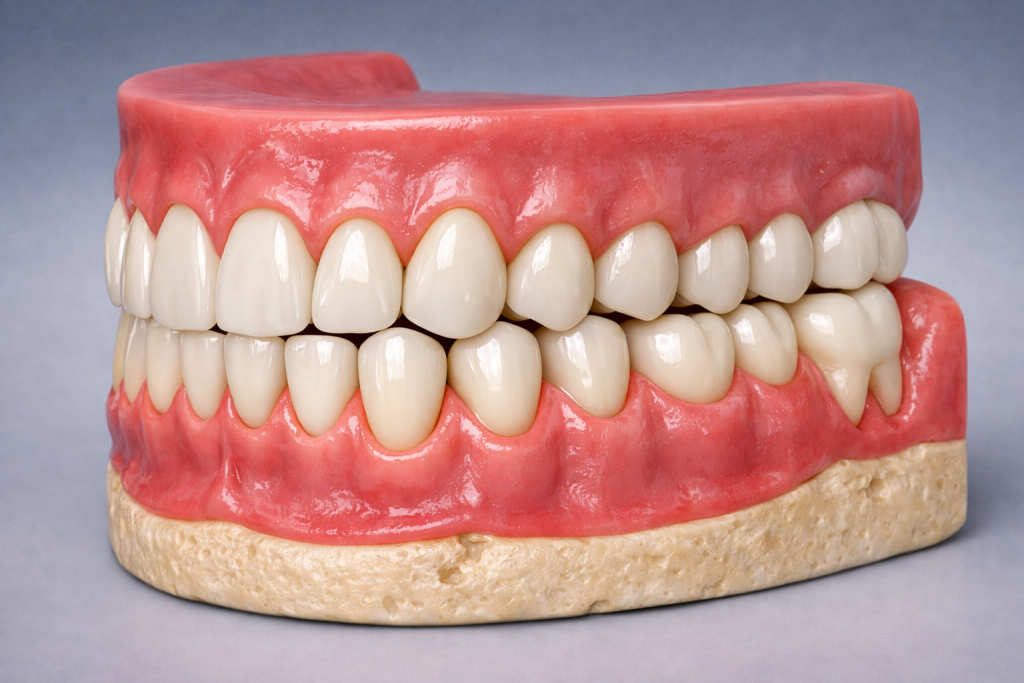
Wisdom tooth removal is a common procedure that can help prevent pain, infection, crowding, and damage to neighbouring teeth when clinically necessary. While some wisdom teeth can be safely monitored, others may require extraction to avoid future complications.
Understanding the signs of wisdom tooth problems, the available treatment options, and the recovery process allows patients to make informed decisions and seek timely care when needed. Regular dental examinations remain essential for detecting potential issues early and maintaining long-term oral health.
Need Advice About Wisdom Tooth Removal in Singapore?
If you are experiencing wisdom tooth pain, swelling, recurring gum infections, difficulty chewing, or have been informed that your wisdom teeth are impacted, a professional assessment can help determine the most appropriate treatment approach.
Dr Seah Root Canal + Surgical Implant Clinic provides evaluation and treatment for wisdom tooth-related conditions, including impacted wisdom teeth, surgical extractions, and emergency dental concerns. Early diagnosis and timely treatment can help prevent complications and support a smoother recovery.
Contact our clinic to learn more about wisdom tooth removal in Singapore and discuss the treatment options available for your individual needs.